Why an Indoor Air Quality Test Is Essential for Newer Homes
 Eric Light
February 24, 2025
3 min read
Eric Light
February 24, 2025
3 min read
Why an Indoor Air Quality Test Matters?
Do you live in a newer home? Always sneezing, feeling tired, or just not healthy when you are home? It’s time for you to get an indoor air quality test!
Even the cleanest, most modern homes can trap pollutants that affect your health. That’s why scheduling an indoor air quality test is one of the smartest (and easiest) things you can do to breathe easier and feel better at home. Let’s break down why it matters.
Helps identify hidden contaminants such as:
- Mold spores
- Allergens (like pet dander or pollen)
- Volatile Organic Compounds (VOCs)
- Dust and fine particles
Detects other harmful pollutants that may not be visible but can affect your health, including:
- Carbon monoxide or elevated CO₂ levels
- Chemical fumes from cleaning products or paints
- Smoke residue from fireplaces or past events
- Bacteria and airborne pathogens
These pollutants may silently contribute to symptoms like headaches, fatigue, breathing issues, and allergy flare-ups—making air quality testing an essential first step to a healthier home.
Poor indoor air quality is often linked to allergies, asthma, respiratory problems, and other health issues, so addressing these concerns can significantly improve your family’s comfort and well-being.
How to Improve Indoor Air Quality After Testing
With the insights from an air quality test, you can implement tailored solutions to create a cleaner, healthier environment. For example, options include:
- Air scrubbers, which remove contaminants like bacteria, viruses, and allergens
- Energy recovery ventilators (ERVs), bring in fresh, filtered air while balancing humidity and reducing energy loss
- High-efficiency MERV filters capture a wide range of particles, from dust and pollen to finer pollutants.
These solutions work together to ensure your home’s air is clean, fresh, and safe, promoting both comfort and long-term health.
Need An Air Quality Test? Precision Air Is Here To Help!
If you’ve been wondering whether your home’s air is as clean as it should be, it might be time to find out. Precision Air Heating & Cooling offers professional indoor air quality testing to uncover hidden pollutants and help you breathe more easily.
From identifying airborne irritants to recommending the right solutions—like air scrubbers, energy recovery ventilators (ERVs), and MERV filters—we tailor everything to your home’s needs.
Whether you’re in West Chester or anywhere in Southeastern PA, we’re here to make your home healthier, fresher, and more comfortable!
Owner & President of Precision Air Heating & Cooling, the independent, family-owned company that has served West Chester and Chester County homes since 1993.
Keep Reading
More From the Precision Air Blog
What Is An Energy Recovery Ventilator (ERV) and Why Your Home Needs One
An Energy Recovery Ventilator (ERV) is like the lungs of your home or office, breathing in fresh, clean air
Read the article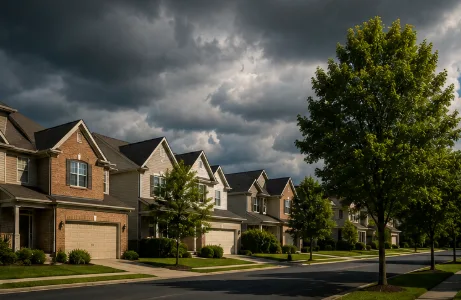
How Local Weather in West Chester Puts Extra Stress on Your AC
If your air conditioner feels like it never quite catches up on a sticky August afternoon in West Chester, you are not imagining it.
Read the article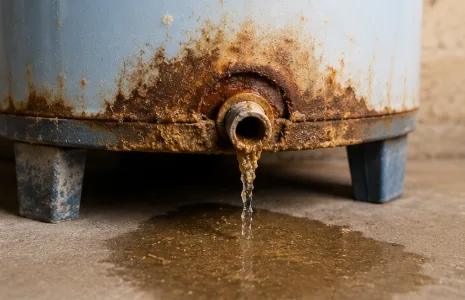
The Hidden Problems of Aging Water Heaters, And How Tankless Systems Fix Them
Most people never think about their water heater until the morning a shower turns cold or a damp spot
Read the article
How West Chester’s Fluctuating Weather Affects Your Heat Pump
Spring weather in West Chester often changes quickly between cool mornings, humid afternoons, rain showers, and warmer daytime temperatures.
Read the article
Why Your Water Heater Might Struggle During West Chester’s Warmer Summer Months
In West Chester, summer humidity and increased household water usage can place unexpected strain on residential water heaters.
Read the article
How Furnace Replacement Saves Energy and Lowers Costs in West Chester, PA
Heating costs don’t usually spike overnight. Instead, many homeowners notice a gradual increase in energy bills, longer heating cycles, or rooms that never feel fully comfortable.
Read the article
How to Know If Your West Chester, PA, Water Heater Needs Repair: 5 Common Signs
Hot water is something most homeowners don’t think about—until it becomes unreliable. Whether it’s a sudden drop in temperature during a shower
Read the article
Is It Worth Repairing My Old Furnace in West Chester, PA, or Should I Replace It?
If your furnace has been giving you trouble lately, you’re probably wondering whether it’s worth repairing or time to consider a replacement.
Read the article
Why Is My West Chester Water Heater Making Strange Noises?
If your water heater has started making popping, rumbling, or hissing sounds, it’s not something to ignore, especially in a West Chester home
Read the article

Ready When You Are
Your Home Deserves Someone Who Does the Right Thing When No One’s Looking.
Tell us what’s going on and we’ll give you a clear, upfront estimate and a time that works. One local crew for heating and cooling, every season.
Family-owned in West Chester since 1993 · ★ 4.9 from 850+ Google reviews
Read more about our indoor air quality services in West Chester, PA.