
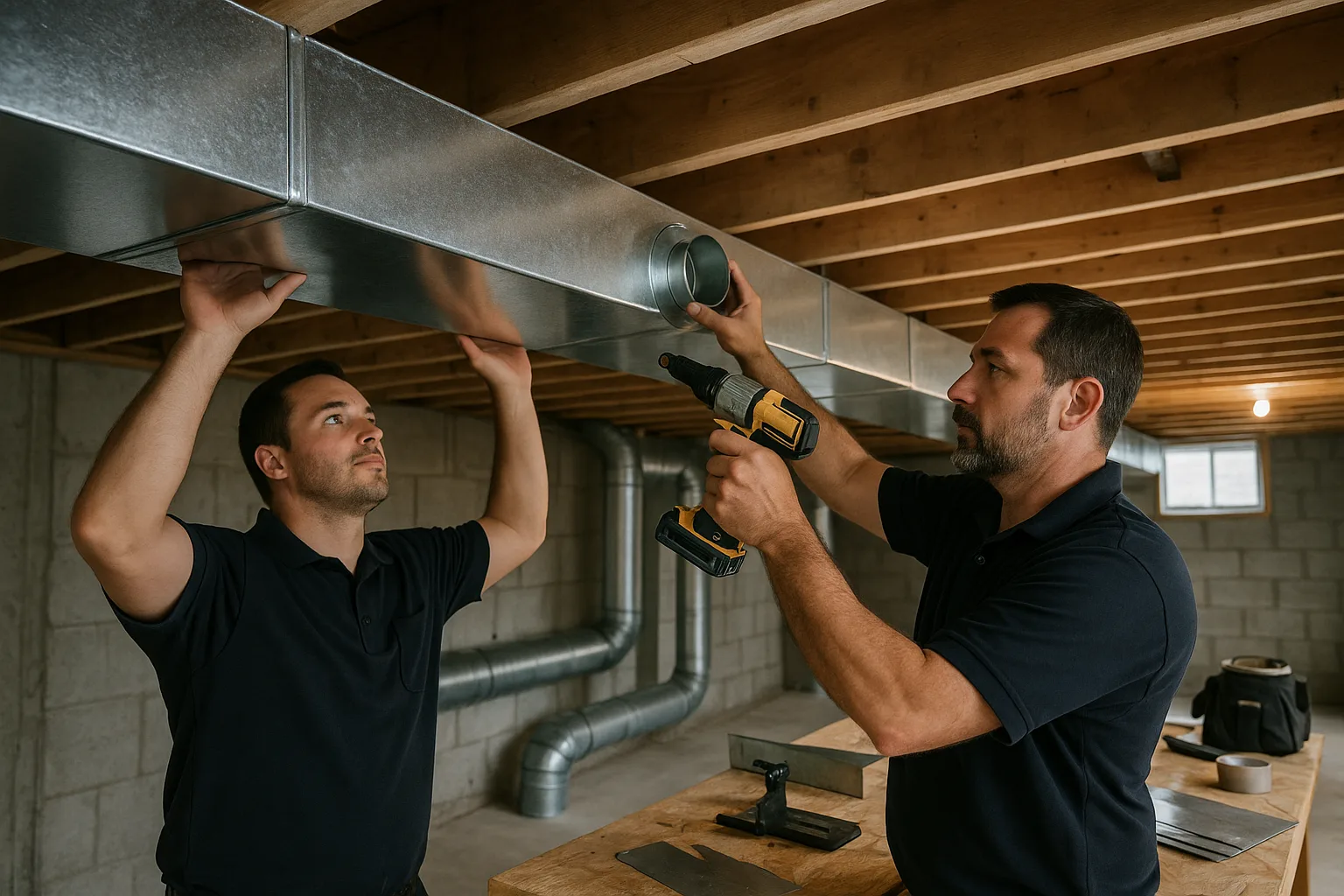
Ductwork Design and Installation Across West Chester, Exton & Chester County, PA
Serving West Chester, Exton, Downingtown, Malvern, Chester Springs, Phoenixville & Nearby Areas


Penguins know one cold spot changes the whole huddle. One bad duct run can do the same to your house.

Book Your Ductwork Consult
Tell us what’s going on. A real person follows up, usually the same business day.
The One Hot Room, the Dust, the Noisy Vents. It Usually Starts in the Ductwork.
A room that never matches the thermostat, vents that whistle or rumble, dust that comes back the day after you clean. Those are rarely an equipment problem. They trace back to duct runs that were sized wrong, routed wrong, or leaking air into the attic before it ever reaches you. Precision Air Heating and Cooling designs and installs custom ductwork across Chester County, from a single supply run for a stubborn room to a full sheet-metal system for a whole house. A penguin huddle shuffles constantly so the warmth reaches every bird on the edge, not just the ones in the middle. Good ductwork does that quiet work for your house.
- Custom duct design and sizing
- Right-sized, balanced airflow
- Free in-home estimate
- Our own crews, no subs

“My sixth visit from Precision over the last few years, and every experience has been fabulous. They beat all the other quotes I received and gave me superior equipment.”

Fix the Room That Never Gets Comfortable, at the Source
New equipment can only push air as well as the ducts let it. We design, size, and install duct systems that move air where your rooms actually need it, so the heating and cooling you paid for finally performs the way it was rated to. Get a free in-home estimate, and we will show you what your current ductwork is costing you.
Why Chester County Homeowners Trust Precision Air Heating and Cooling With Their Ductwork
The Air Path Is the Product, Not Just the Metal
We have designed and installed duct systems across Chester County since 1993, owned by people who live here rather than a private-equity board on another coast. Ductwork is where most contractors cut corners you cannot see, so we do the opposite. We calculate the sizes, fabricate the transitions to fit, and seal the joints, because on a duct job the quality of the build decides the outcome far more than any brand name on the box.
Licensed, Insured & BBB A+ Accredited
Fully licensed and insured, with a BBB A+ accreditation, credentials earned and kept for decades.
From 900+ Customers
A 4.9-star Google rating built on real installs for real neighbors, not on pressure, gimmicks or fine print.
30+ Years of Local Service
Founded in 1993 and still locally owned. We know Chester County’s homes, its ductwork, and its tight mechanical spaces better than anyone.
- Calculated — sized by the numbers, not by eye
- Fabricated — metal cut to fit your home
- Sealed — no air lost in the walls
Warning Signs Your Chester County Ductwork Is Working Against You
Bad ductwork hides in walls, attics, and crawl spaces, so you rarely see the cause. You feel it in every room instead. Catch these patterns early and a redesign or a round of sealing usually fixes them for good. Ignore them, and you keep paying to heat and cool the space above your ceilings.
Dust returns faster than you can clean
Leaky return ducts pull dust straight out of your attic and wall cavities and push it back into the air you breathe. No amount of housecleaning keeps up, because the duct system keeps re-supplying it. We seal the returns so your ducts draw from the rooms, not the framing.
Some rooms take forever to heat or cool
A room that lags the thermostat by several degrees usually sits at the end of a duct run that is undersized, kinked, or leaking along the way. We measure the airflow and resize the run so the room finally keeps up.
The vents whistle, rumble, or roar
Noisy airflow is the sound of air being forced through ducts that are too small or badly routed. It also strains the blower motor. Correct sizing quiets the system and takes the load off your equipment.
Upstairs bakes while downstairs stays cold
When two floors never agree, the distribution system is failing at its one job. A redesign that balances the supply and return airflow evens out the whole house, which no thermostat setting can do on its own.
Every Piece of the Duct System We Build in Chester County
Your ductwork is one connected air path, from the trunk line off your furnace or air handler out to the register in the far bedroom. When one piece is undersized or leaking, the whole system loses pressure and comfort drops in the rooms furthest from the equipment. We design and build the full path, matched to how your home is actually laid out, rather than patching one section and hoping the rest holds.
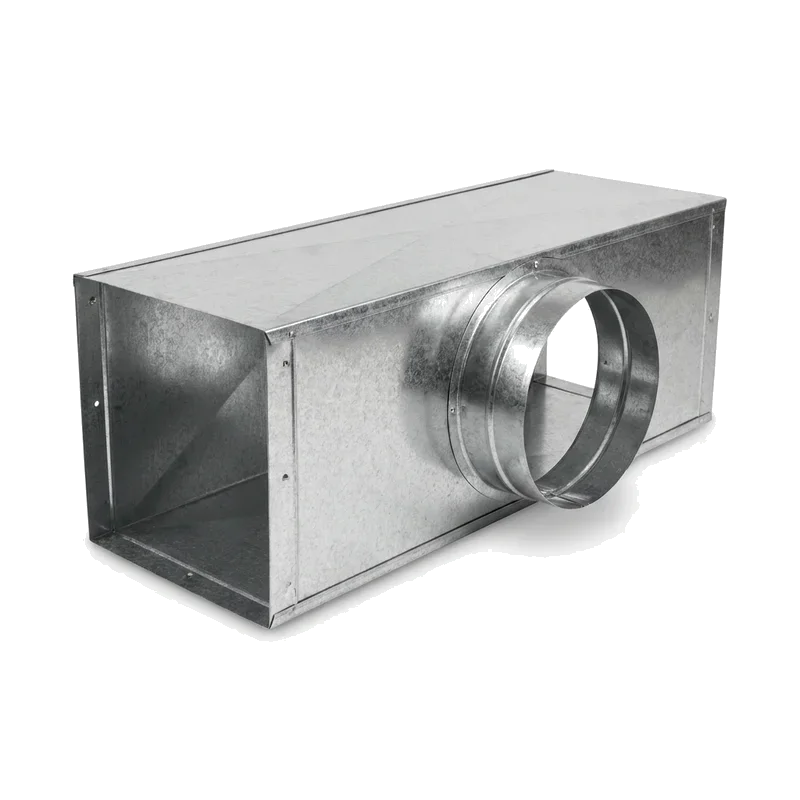
Sheet-Metal Trunk and Branch Ducts
The galvanized backbone of the system, fabricated and fitted to your floor plan. Built tight, they resist leaks and sagging for decades, which is why solid metal anchors are in every system we design.
Book Your Free Estimate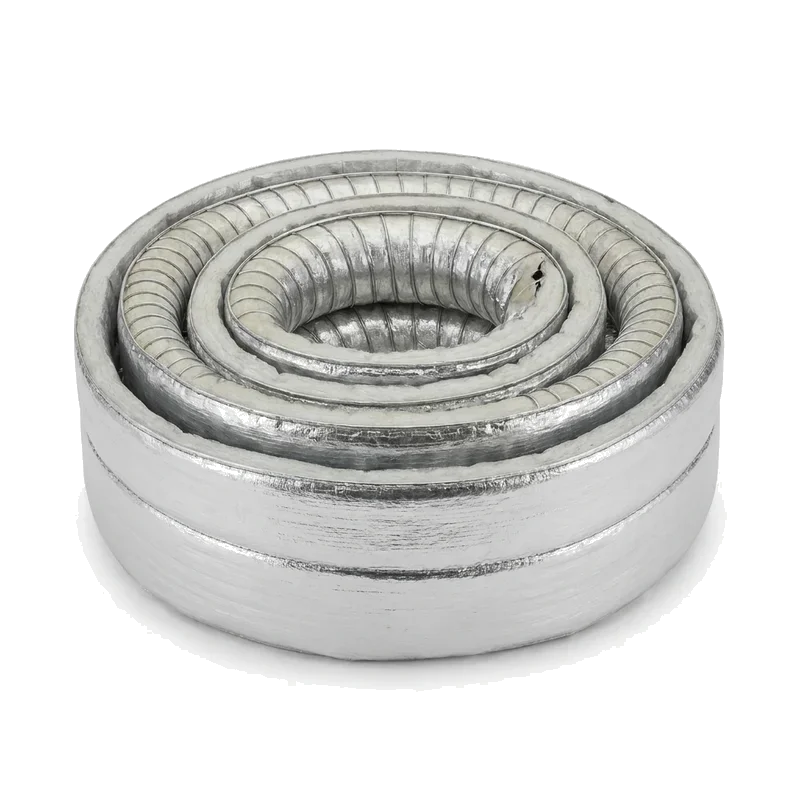
Insulated Flex Duct Runs
The last stretch into tight bays and ceilings. We support them properly and keep the bends gentle, so airflow does not choke in the final few feet the way it does when flex is left kinked over a joist.
Book Your Free Estimate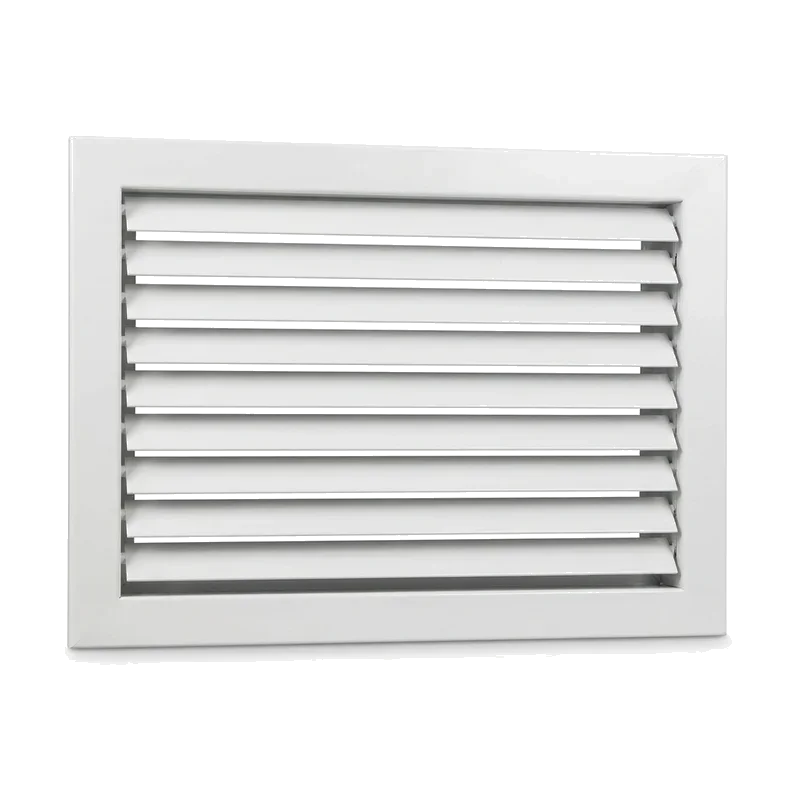
Supply and Return Registers
The registers decide how a room actually feels, because placement drives comfort as much as the run behind it. We add, relocate, and size supply and return vents for balanced, draft-free air.
Book Your Free Estimate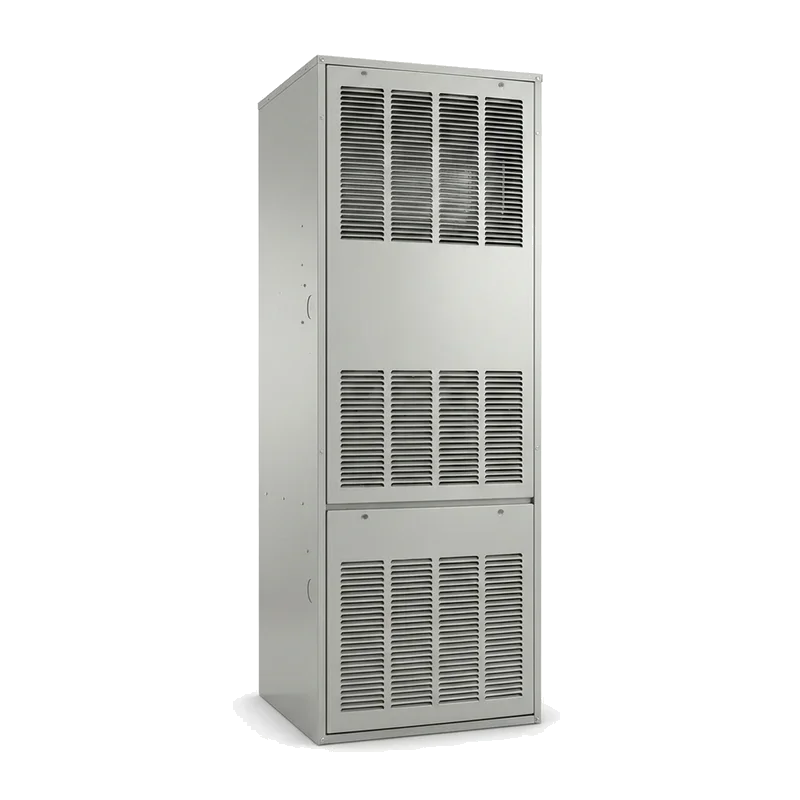
Plenums and Equipment Connections
The transitions where the ducts meet your furnace or air handler. Get these wrong and system pressure suffers everywhere downstream, so we fabricate and seal them to fit your equipment exactly.
Book Your Free Estimate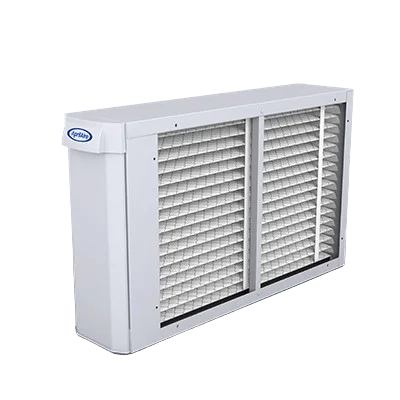
Filter Cabinets and Housings
Built into the return, a properly sized filter cabinet keeps filtration strong without choking airflow, and makes changing the filter a two-minute job instead of a wrestling match.
Book Your Free Estimate
Sealed, Filtration-Ready Returns
A return that draws from the rooms instead of the attic is the difference between clean air and a dust problem you can’t clean your way out of. We build sealed return paths ready for the filter your home needs.
Book Your Free EstimateRequest your free estimate
Tell us what’s going on. A real person follows up, usually the same business day.
* indicates required fields
Planning New Ductwork? The Best Time Is Before the Drywall Goes Up
Design it on paper first, then build it once and build it right

Ductwork is far easier and cheaper to run when walls and ceilings are already open, so a remodel or an addition is the ideal moment to plan it. Whether it is a full redesign, a renovation tie-in, or one stubborn room, we start with an honest look at your existing ducts and a plan you can see before any metal is cut. A penguin takes the cleanest line from point to point with no wasted steps, and we route your duct runs the same way.
We design it before we build it
Good ductwork is drawn on paper before it is cut in metal. We map the layout, calculate the sizing, and show you where the air will go, so the finished system is not a guess.Free in-home estimate for new ductwork
New ductwork is an investment, and you should know the number before you owe us a cent. Our in-home estimate is free, and we price the project in writing after we have seen your home, never over the phone from a guess.

“When you call, you get a person who actually helps.”
Eric Light · Owner & President
Will a New System Fix the Room That’s Always Wrong? Usually Not.
Here is the honest version most contractors skip. If one room never gets comfortable, a bigger or newer furnace and AC almost never fixes it, because bad ductwork is bad ductwork. A better system pushes more air, but if the run feeding that room is undersized or leaking, the air still does not arrive. The real fixes are the ones that address the air path itself.
Redesign or reseal the ducts feeding the problem area, so the airflow that room needs actually reaches it. This is the first thing we check, because it is often the whole answer.
Add a ductless mini-split for a room ducts genuinely cannot serve well, like a converted attic, a sunroom, or an addition over the garage. It is the most reliable fix for a space the trunk line was never built to reach.
Seal the system you already have. Leaky joints bleed conditioned air into attics and wall cavities before it reaches a single room, so your equipment runs longer for the same comfort. We seal with mastic and rated tape and recover air you are paying for today. It is one of the cheapest upgrades in the house.

We would rather tell you a $6,000 system won’t solve a $600 ductwork problem than sell you the wrong fix.
The Ductwork Services Chester County Homes Ask For Most
01 / 08
Ductwork Design Plan
We map a custom duct layout for your floor plan and equipment, balancing airflow to every room on paper before anything is fabricated. The plan is the part cheaper installers skip.
Book Service02 / 08
Duct Sizing Service
Undersized ducts whistle and starve rooms. Oversized ducts lose the velocity that carries air to the far end. We calculate sizes that clear the pressure drops and the noisy cycling.
Book Service03 / 08
Supply Vent Installation
A hard-to-condition room often just needs its own supply air. We add supply runs where the comfort is missing, routed cleanly through basements, attics, or chases.
Book Service04 / 08
Return Vent Placement
Starved returns strain the blower and unbalance the house. We add and position returns so air actually circulates instead of stalling in the rooms that need it most.
Book Service05 / 08
Sheet-Metal Fabrication
Durable metal trunks, branches, and custom transitions cut to fit your space. Built to stay tight and quiet for the long haul, not patched together from stock parts.
Book Service06 / 08
Attic and Ceiling Routing
Runs through attics and ceilings need proper insulation and support, or they lose heat, sweat, and sag. We route and secure them right the first time.
Book Service07 / 08
Duct Sealing Service
Leaky joints bleed conditioned air into spaces nobody lives in. We seal them with mastic and rated tape to recover the loss and lower what your system has to work. Pair it with duct cleaning when the runs are dirty.
Book Service08 / 08
Vent Relocation
A remodel or a new furniture layout changes where air should enter a room. We relocate wall and floor vents for better airflow and a cleaner finished look.
Book Service

Where Our Penguins Keep the Air Moving in Chester County, PA
We work out of 208 Carter Drive, Suite 3 in West Chester, a short drive from the homes whose ducts we redesign. Chester County’s housing runs the full range. Borough twins and stone Victorians carry original ducts that were never sized for central air, while the newer neighborhoods around Exton and Downingtown hide builder-grade returns that leave back bedrooms starved. We design duct systems for every one of them across Chester County, for a climate that can drop to a single-digit January and climb to a 95-degree July in the same year.
How Chester County’s Seasons Work on Your Ductwork All Year
Your ducts live in attics, crawl spaces, and basements, the parts of the house Pennsylvania weather never leaves alone. Every season pulls, heats, or chills the runs a little differently, which shapes when a joint works loose and when the smart time to inspect and seal comes around. Here is how the year plays out inside the walls.
Spring
Spring swings expand and contract the metal, working seams and hangers loose after winter. It is the ideal window to inspect, seal, and plan any redesign before the cooling season leans on the system.
Summer
Attic duct runs bake in extreme heat, and every leak or thin spot bleeds the cold air you paid for into the attic instead of your bedrooms. Insulated, sealed runs pay for themselves fastest in July.
Fall
The switch to heating reverses the pressures and temperatures through the whole system. A fall inspection catches the joints and hangers that summer loosened, before winter puts them under load.
Winter
Ducts through unheated spaces lose warmth every foot of the run, and cold metal invites condensation and mildew. Proper insulation and routing keep the heat in the rooms that paid for it.
Whatever the season, one call to (484) 690-4328 gets a plan for the air path your comfort depends on.
How do I know if my ductwork needs to be replaced or just sealed?
Can you add ductwork to an older West Chester home?
How much does ductwork installation cost in Chester County?
Does duct sealing actually lower energy bills?
How long does a ductwork project take?
Will new ductwork improve my indoor air quality?
Rated 4.9 Stars by 900+ Homeowners Across Chester County
Why homes like yours stick with us.
Verified Google reviews from neighbors around the county.
We woke up to a cold house with no heat. I called first thing in the morning and John came out the same day, honest and knowledgeable, and never tried to upsell us.
Donnie, Peter, Jake, and the entire install crew were fantastic. The mini-split install looks amazing, clean and neat, and they were professional and respectful of our home.
 D
DThe office explained my options very clearly with transparent pricing. The winter maintenance visit was scheduled for within a week of me calling.
I’ve been using Precision for over 5 years. Every technician is polite and explains everything in a way I understand. They schedule me immediately and treat me like family.
They came out quickly to repair our unit, and when we needed a new one the technicians were polite, on time, and informative. The new system works well.