

Two Visits a Year for the One System That Never Gets an Off-Season
Serving West Chester, Exton, Downingtown, Malvern, Media & Nearby Areas


A penguin never gets an off-season. Neither does your heat pump, so we tune it twice.

Book Your Heat Pump Maintenance
Tell us what’s going on. A real person follows up, usually the same business day.
Want Your Heat Pump to Last? Keep It in Shape Both Seasons
A furnace gets to rest all summer, and an air conditioner sleeps through winter. Your heat pump does neither. It heats through a single-digit January and cools through an upper-90s July from the very same equipment, close to a 100-degree swing on one machine, so it logs roughly twice the running hours of a system that only works half the year. That is the whole case for servicing it in spring before the cooling season and again in fall before the heat comes on. In the older homes around West Chester and Downingtown especially, that second visit is what catches a tired part before the coldest night finds it first.
- ★ 4.9 from 900+ reviews. Service from Chester County technicians who know these systems in both modes.
- 33 years, locally owned. Here since 1993, keeping neighbors’ systems running year over year.
- ~100°F temperature swing. The year-round load that makes two visits matter more here than in a mild climate.
- 15 years later. A maintained heat pump is the one we are still servicing well down the road.
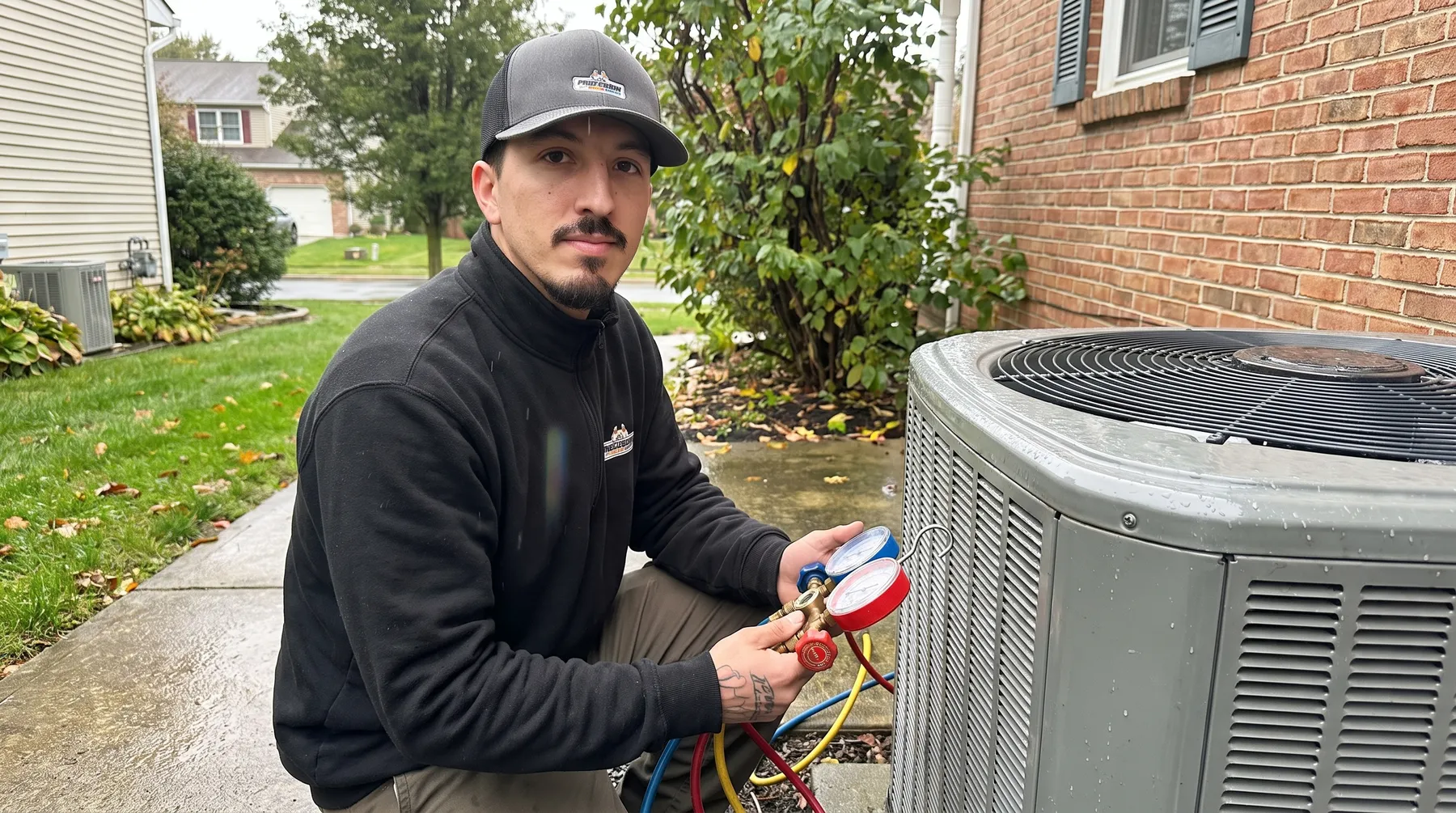
“The winter maintenance visit was scheduled for within a week of me calling, and the technician Anthony arrived within the scheduled window. He found 3 issues and explained the varying degree of severity for each.”

Keep Your Heat Pump Ready for the Next Season
A heat pump works almost all year, so skipping maintenance does not stay hidden for long. A spring or fall tune-up helps catch weak airflow, dirty coils, low refrigerant, worn electrical parts, and defrost issues before they turn into a repair call.
Why Your Neighbors Put Us on the Calendar
The value is in what we catch before it becomes a bad day
Licensed, Insured & BBB A+ Accredited
Fully licensed and insured, with a BBB A+ accreditation, credentials earned and kept for decades.
From 900+ Customers
A 4.9-star Google rating built on real repairs for real neighbors, not on pressure, gimmicks or fine print.
30+ Years of Local Service
Founded in 1993 and still locally owned. We know Chester County’s homes, its humidity, and its aging ductwork better than anyone.
- We service heat pumps in both modes, all year. A crew that only tunes furnaces in fall misses the cooling-side wear. We look at your system the way it runs, heating and cooling, at every visit.
- We measure instead of guess. The refrigerant charge, the defrost cycle, the aux-heat trigger: we check them against spec and show you the readings, rather than ticking a box on a form.
- Same crew, year over year. Because we are local and independent, you tend to see the same technicians who already know your system and your home, and that history is worth plenty when something changes.
- We tell you straight when it is time. If a maintenance visit turns up a system that is near the end, we will say so and price your options honestly, instead of selling you tune-ups on a machine that is done.
4 Signs Your Heat Pump Needs Maintenance
A heat pump works through both heating and cooling seasons, so it does not get much time to rest. When maintenance falls behind, the signs usually show up as weak comfort, longer run times, strange sounds, or higher bills. Catch them early, and a tune-up can often prevent a repair.
Weak Airflow From the Vents
If the air coming from the vents feels weaker than usual, the system may be dealing with a clogged filter, dirty coil, blower issue, or duct restriction. Maintenance helps restore airflow before the heat pump has to work harder to move the same amount of air.
The System Runs Longer Than It Used To
A heat pump that runs nonstop may be struggling with dirty coils, low refrigerant, poor airflow, or thermostat issues. A tune-up checks the parts that affect performance, so the system can heat and cool without wasting energy.
Strange Noises During Startup or Operation
Buzzing, rattling, grinding, or clicking sounds are not something to ignore. They can point to loose electrical parts, a worn motor, fan trouble, or a component starting to fail. Maintenance gives us a chance to catch those issues before they turn into a breakdown.
Ice Buildup on the Outdoor Unit
A light frost can be normal in winter, but heavy ice usually means something is off. The defrost cycle, refrigerant charge, coil condition, or airflow may need attention. We check the system before ice buildup starts affecting comfort and efficiency.
Types of Heat Pumps We Maintain
A heat pump works hard in every season, but not every system needs the same kind of care. Some rely on ductwork. Some serve one room. Some pair with a furnace. Some use variable-speed parts that need closer testing. We maintain the system you have, not a generic version of it.
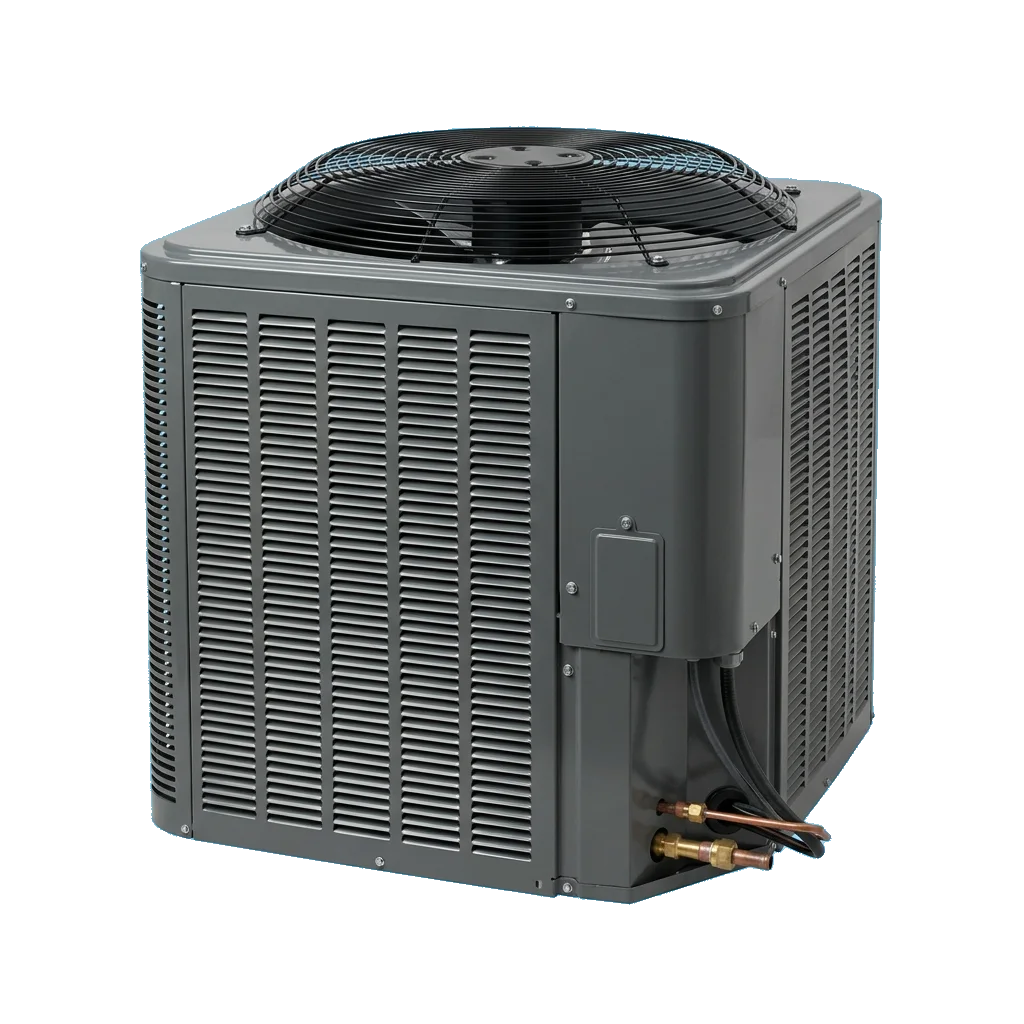
Air-Source Heat Pumps
Air-source heat pumps are the most common systems we maintain in Chester County homes. They heat and cool by moving heat between the outdoor air and your home. During maintenance, we clean the coils, check refrigerant levels, test electrical parts, inspect airflow, and make sure the system can switch between heating and cooling the way it should.
Book Heat Pump Maintenance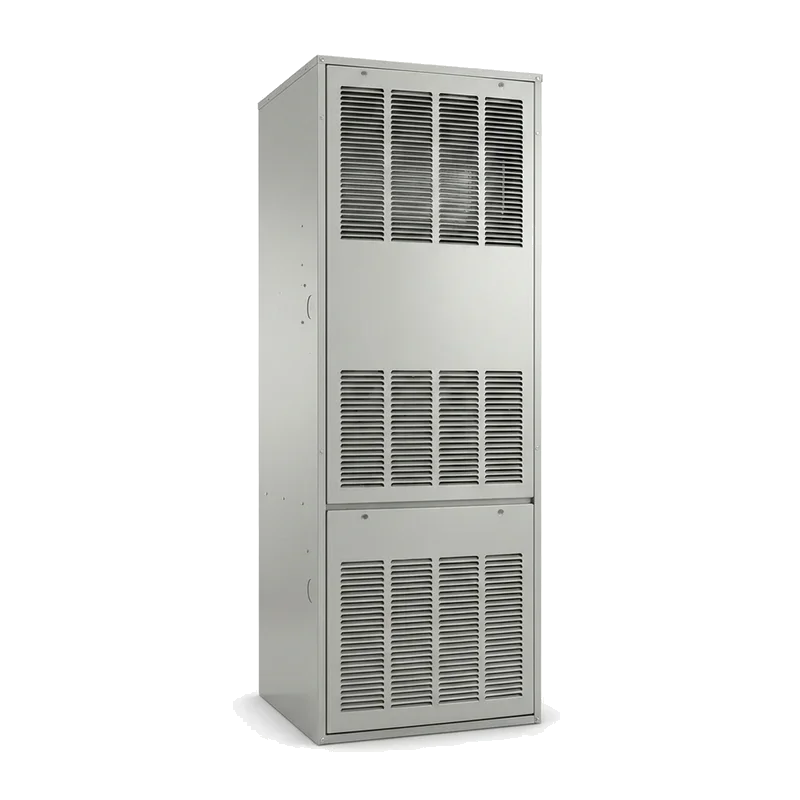
Ducted Heat Pump Systems
Ducted heat pumps use the home’s ductwork to move air from room to room. A tune-up is not only about the outdoor unit. We also check filters, blower performance, return airflow, supply airflow, and duct-related issues that can make the system work harder than it should.
Book Heat Pump Maintenance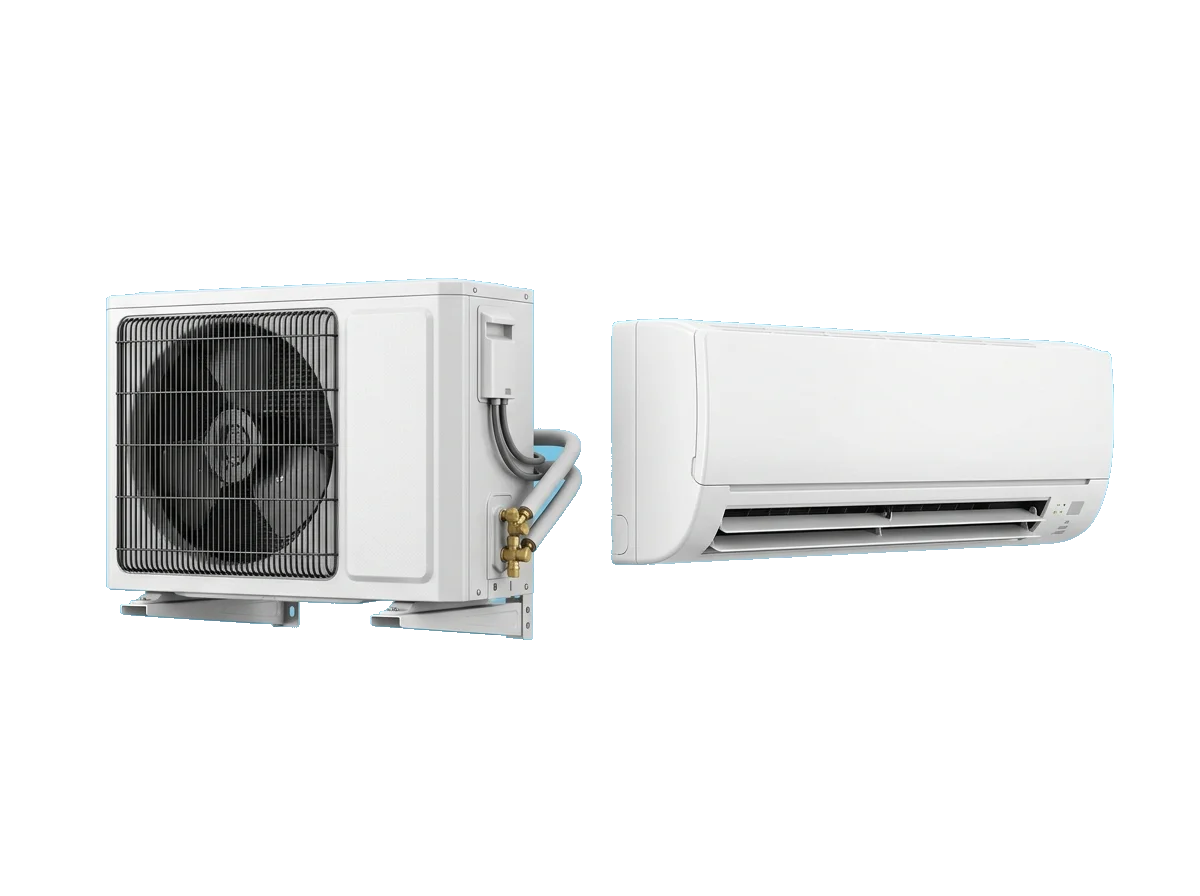
Ductless Mini-Split Heat Pumps
Ductless mini-splits need regular cleaning to keep airflow strong and prevent buildup inside the indoor head. We clean the filters, inspect the coil, check the drain line, test the outdoor unit, and confirm the system is heating and cooling the zone properly.
Book Heat Pump Maintenance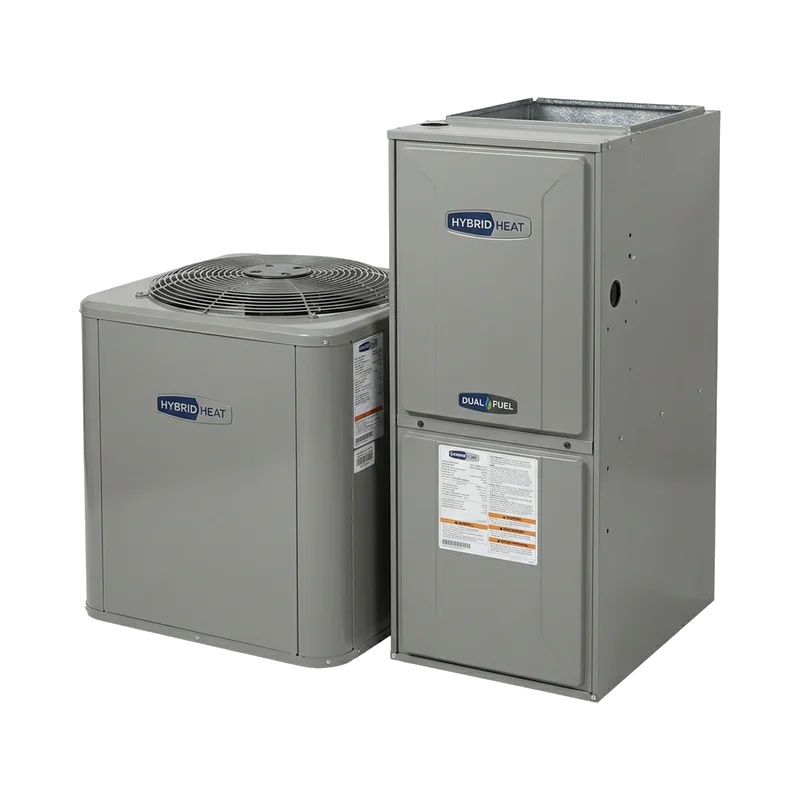
Dual-Fuel Heat Pumps
A dual-fuel system uses a heat pump with a gas furnace. The heat pump handles milder weather, and the furnace takes over when temperatures drop. Maintenance includes checking both systems and making sure the controls switch between them at the right time.
Book Heat Pump Maintenance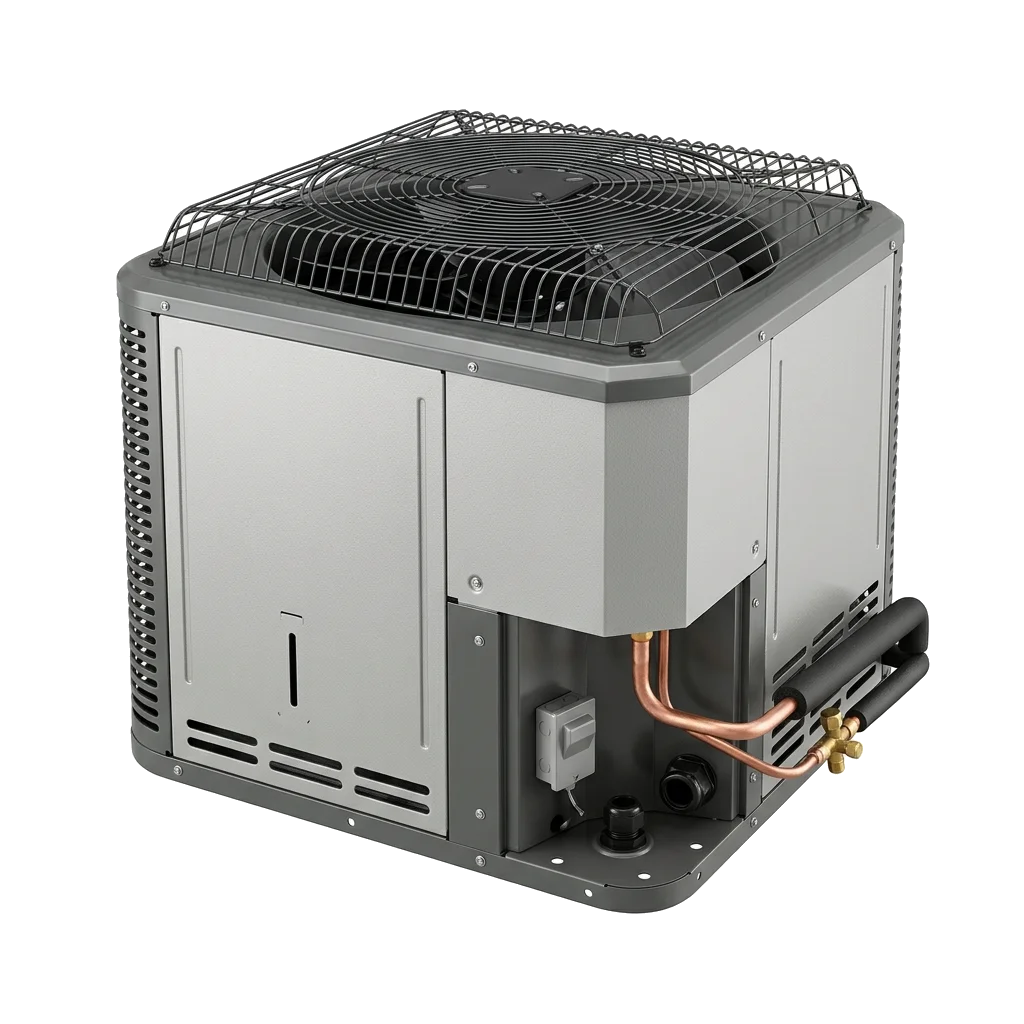
Variable-Speed Heat Pumps
Variable-speed systems are built for steady comfort and better efficiency, but they need careful testing. We check sensors, control boards, fan speed, refrigerant performance, thermostat communication, and system operation so small issues do not turn into expensive failures.
Book Heat Pump Maintenance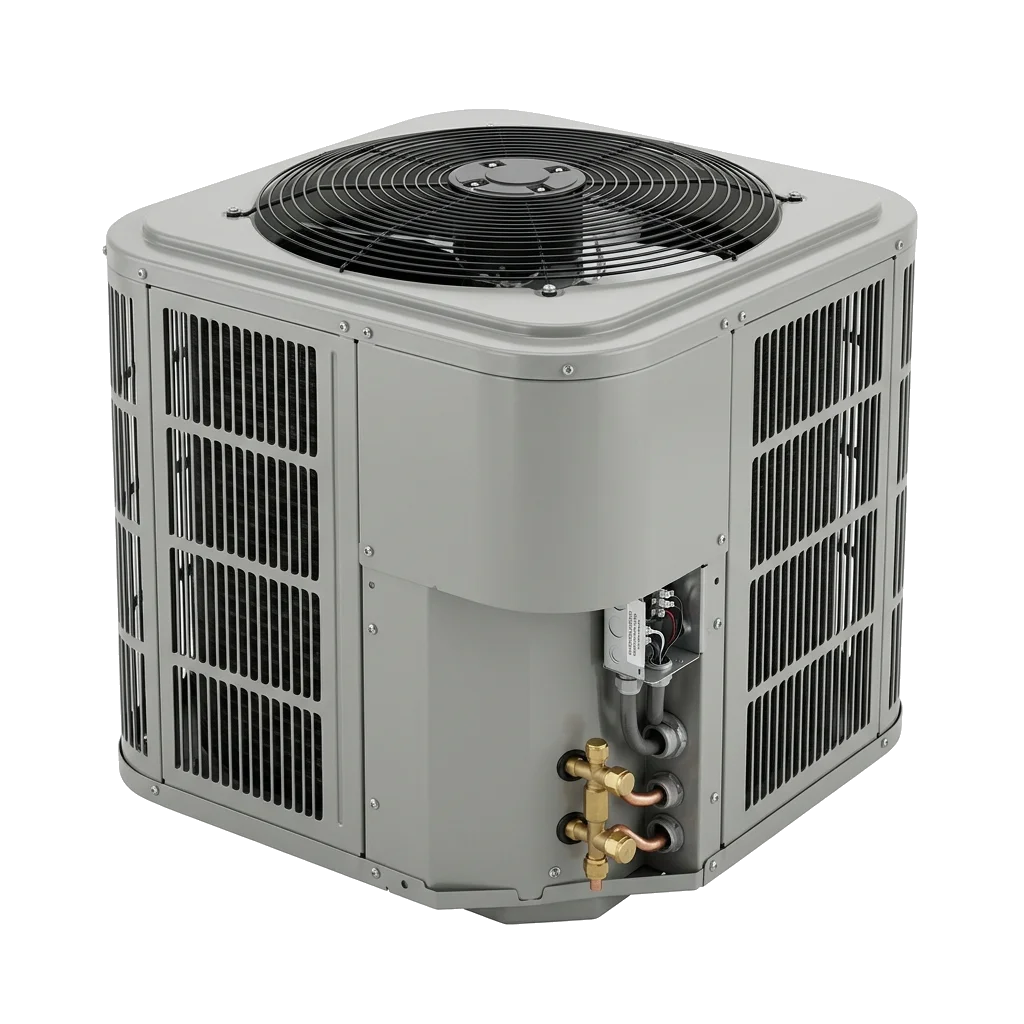
Cold-Climate Heat Pumps
Cold-climate heat pumps are designed to keep heating even when outdoor temperatures fall. For these systems, maintenance focuses on airflow, defrost operation, refrigerant charge, backup heat settings, and winter performance, so the system does not lean on backup heat more than it should.
Book Heat Pump Maintenance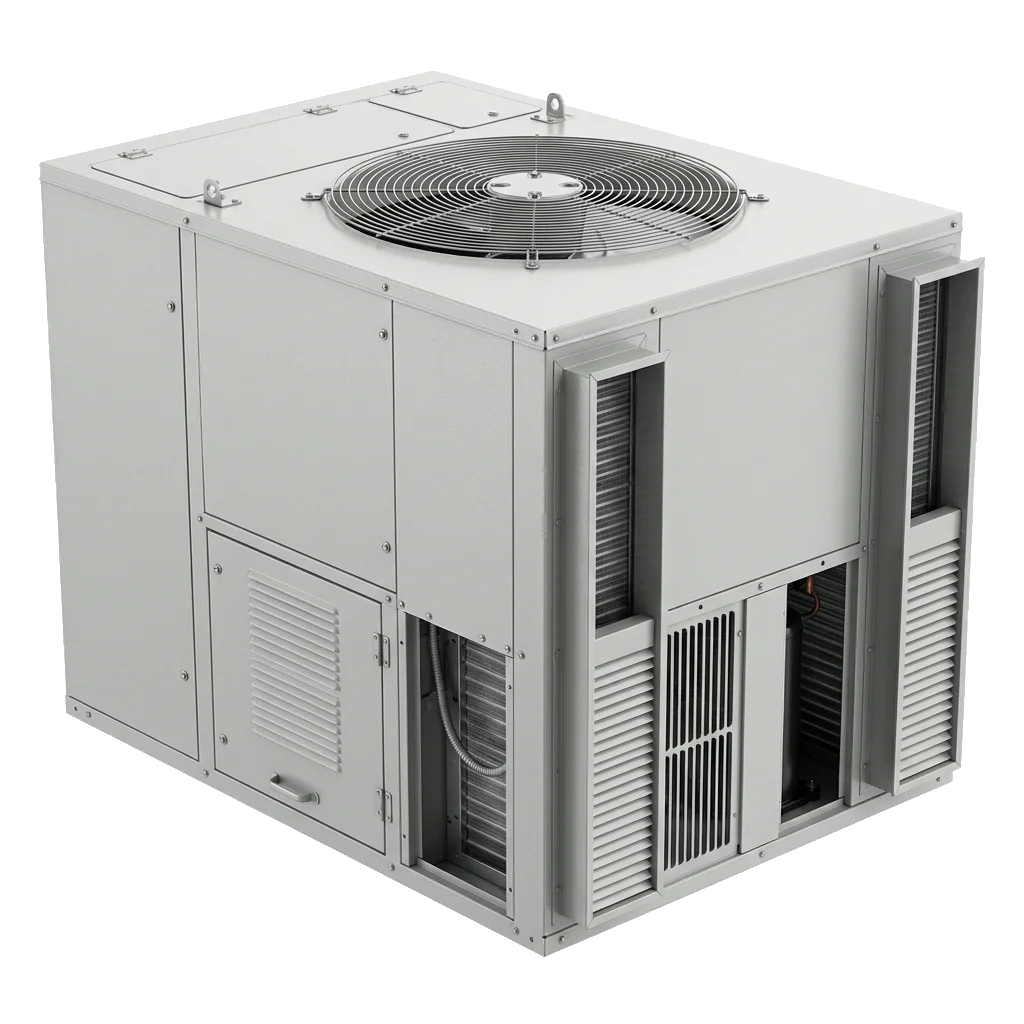
Packaged Heat Pumps
Packaged heat pumps keep the heating and cooling equipment in one outdoor cabinet. We inspect the cabinet, coils, blower, electrical parts, refrigerant circuit, duct connections, and drainage to make sure the full unit is clean, safe, and ready for the season.
Book Heat Pump MaintenanceRequest your free estimate
Tell us what’s going on. A real person follows up, usually the same business day.
* indicates required fields
Ready to Get Your Heat Pump on a Schedule?
Book a tune-up, or set it and forget it with the Comfort Club

The easiest way to avoid a cold house in January or a warm one in July is to catch the small stuff on a calm day. Book a single tune-up or join the Comfort Club and we will keep both seasonal visits on the books for you.
We answer, day or night
A person picks up during business hours and gets your visit scheduled. After hours, an answering service takes the call and you hear back in minutes, not a recording.We check first, recommend second
A tune-up is not a sales pitch. We service the system, show you anything worn, and let you decide what happens next, with no pressure.

“When you call, you get a person who actually helps.”
Eric Light · Owner & President
The Benefits of Heat Pump Maintenance
One Tune-Up Helps Both Heating and Cooling
Your heat pump works through almost every season, so maintenance has to do more than check a box. A good tune-up helps the system switch modes correctly, move air evenly, control energy use, and stay ready before Chester County weather pushes it hard again.
- Cleaner coils for better heat transfer
- Stronger airflow through the home
- Lower strain on the compressor and motors
- Fewer surprise repair calls
- Better heating, cooling, and humidity control
What Is Included in Heat Pump Maintenance?
A heat pump maintenance visit includes a full system check, not a quick filter glance. We clean and inspect the indoor and outdoor coils, check refrigerant levels, test electrical components, inspect the blower and fan motors, confirm thermostat operation, check the defrost cycle, look for airflow restrictions, and make sure the system can switch between heating and cooling the way it should.
When Should You Book Heat Pump Maintenance?
The best schedule is twice a year, once before cooling season and once before heating season. Spring helps prepare the system for summer humidity and long cooling cycles. Fall helps prepare it for cold nights, defrost demand, and backup heat use. If your heat pump has not been serviced in the last year, or it is running longer, sounding louder, or struggling to keep rooms comfortable, it is time to get it checked.

What We Check During Heat Pump Maintenance
A heat pump tune-up is not a quick look and a filter reminder. This system heats, cools, switches modes, defrosts itself, and runs through most of the year. We check the parts that keep all of that working together, then show you anything that needs attention.
01 / 08
Coil Cleaning and Optimization
Dirty indoor and outdoor coils make it harder for your heat pump to move heat. That means longer run times, weaker comfort, and higher energy use. We clean the coils and check their condition so the system can transfer heat the way it should.
Book Service02 / 08
Refrigerant Check and Balance
Refrigerant is what lets your heat pump move heat in and out of the home. If the level is off, the system can struggle in both heating and cooling mode. We check the charge, look for signs of leaks, and make sure the refrigerant side is performing properly.
Book Service03 / 08
Blower Motor and Fan Tune-Up
The blower and outdoor fan keep air moving across the coils and through your home. If either one is dirty, weak, or wearing down, comfort drops fast. We inspect the motors, fan blades, bearings, and operation so airflow stays steady.
Book Service04 / 08
Electrical and Safety Testing
Loose wiring, weak capacitors, worn contactors, and failing relays can stop a heat pump without much warning. We test the electrical components, check connections, and look for early signs of failure before they turn into a no-heat or no-cool call.
Book Service05 / 08
Thermostat Calibration and Sync
Your thermostat tells the heat pump when to run, when to switch modes, and when backup heat should help. If it is misreading the room or not communicating correctly, the whole system feels off. We check settings, calibration, wiring, and system response.
Book Service06 / 08
Filter Replacement and Air Quality
A clogged filter can make a good heat pump act like a bad one. It restricts airflow, strains the blower, and can leave rooms feeling uneven. We check the filter, replace it when needed, and flag air quality issues that may be loading the system faster than normal.
Book Service07 / 08
Defrost Cycle Inspection
In winter, your outdoor unit needs a working defrost cycle to clear frost and light ice. If that cycle fails, ice can build up and block heat transfer. We test the defrost controls, sensors, board, and outdoor unit so the system is ready for cold weather.
Book Service08 / 08
Airflow and Duct Performance
Even a clean, tuned heat pump will struggle if the ductwork cannot move air properly. We check airflow, returns, supply vents, duct restrictions, and signs of leakage. The goal is simple: make sure the comfort your heat pump creates actually reaches the rooms that need it.
Book Service

The Towns Where Our Penguins Keep Systems Tuned
Precision Air Heating and Cooling is based in West Chester and services heat pumps across all of Chester County, plus into neighboring Delaware and Montgomery counties. Same crew, same checklist, same upfront pricing in every town. Not sure you are in range? Give us a call and we will confirm coverage in about a minute.
Heat Pump Maintenance Through Every Chester County Season
A heat pump works harder than most home comfort systems because it handles both heating and cooling. Spring pollen, summer humidity, fall debris, and winter ice all affect how well it runs. Seasonal maintenance helps catch those problems before they turn into weak comfort, higher bills, or a repair call.
Spring
Spring is when your heat pump starts shifting from heating to cooling. That changeover puts the reversing valve, thermostat, refrigerant system, and airflow under a new kind of demand. Chester County pollen can also coat the outdoor coil fast. A spring tune-up cleans the coil, checks refrigerant, tests controls, and gets the system ready before the first hot stretch.
Summer
Summer heat keeps your heat pump running longer cooling cycles. Add humidity, clogged filters, or dirty coils, and the system has to work harder to keep the home comfortable. Summer maintenance focuses on airflow, refrigerant balance, electrical parts, blower performance, and coil condition so the system can cool without wasting energy.
Fall
Fall is the best time to get ahead of heating season. Leaves and yard debris can block the outdoor unit right before the heat pump needs to start pulling warmth from the air. A fall tune-up clears the outdoor unit, checks airflow, tests thermostat settings, and makes sure the system is ready before cold nights settle in.
Winter
Winter is when small heat pump problems show up fast. Frost is normal, but heavy ice can point to defrost trouble, low refrigerant, poor airflow, or a sensor issue. If backup heat runs too often, your bills can climb quickly. Winter maintenance checks the defrost cycle, outdoor coil, backup heat settings, and airflow so the system can keep up when Chester County gets cold.
How often should a heat pump be serviced?
What does a heat pump tune-up include?
Will maintenance keep my warranty valid?
Is a maintenance plan worth it for a heat pump?
Can maintenance lower my energy bills?
What if you find a problem during the tune-up?
Rated 4.9 Stars by 900+ Homeowners Across Southeastern PA
Why homes like yours stick with us.
Real, verified Google reviews from neighbors across Chester County.
We woke up to a cold house with no heat. I called first thing in the morning and John came out the same day, honest and knowledgeable, and never tried to upsell us.
Donnie, Peter, Jake, and the entire install crew were fantastic. The mini-split install looks amazing, clean and neat, and they were professional and respectful of our home.
 D
DMy sixth visit from Precision over the last few years, and every experience has been fabulous. They beat all the other quotes I received and gave me superior equipment.
I’ve been using Precision for over 5 years. Every technician is polite and explains everything in a way I understand. They schedule me immediately and treat me like family.
They came out quickly to repair our unit, and when we needed a new one the technicians were polite, on time, and informative. The new system works well.