
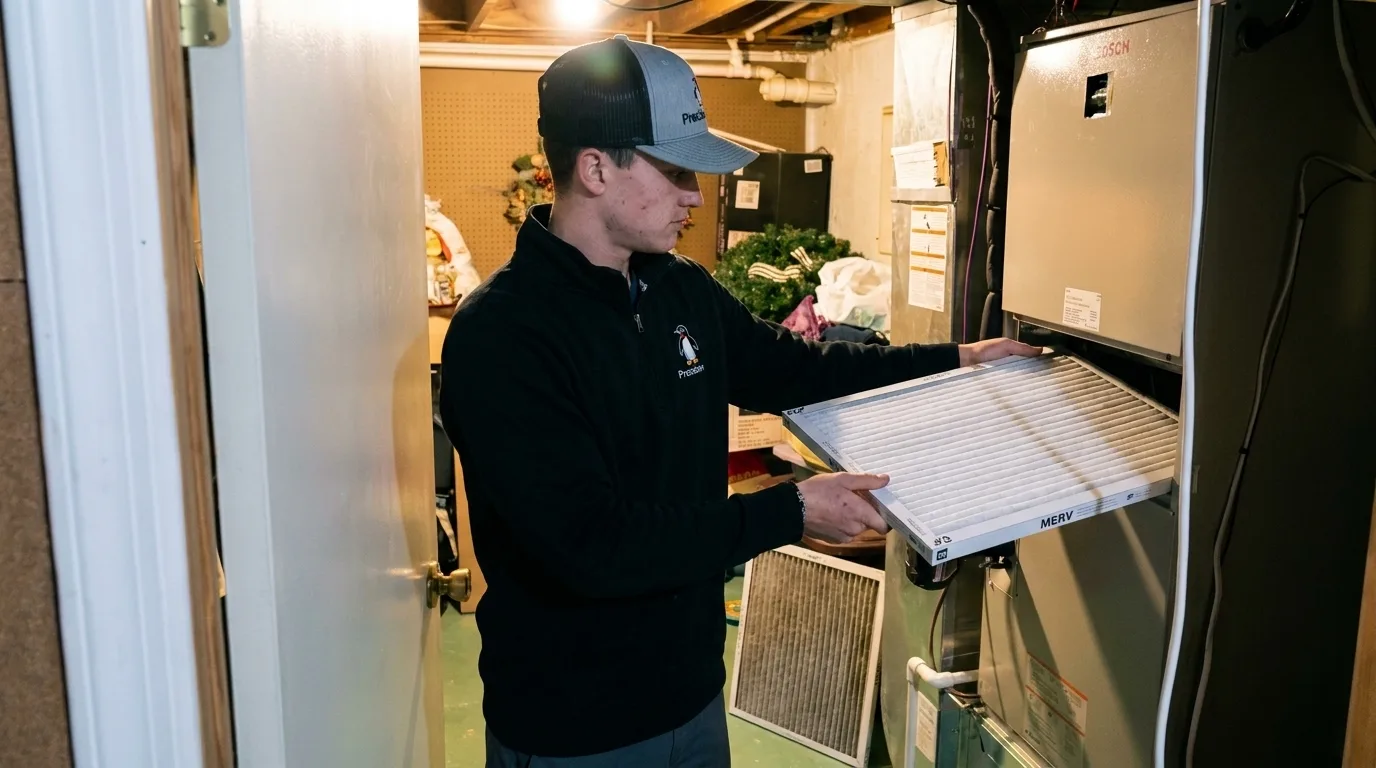
Home Air Filter Replacement and Upgrades Across West Chester, Exton & Chester County, PA
Serving West Chester, Exton, Downingtown, Malvern & Nearby Chester County Areas


A penguin’s feathers pack in tight to keep the rough stuff out. Your filter does the same job for the air at home.

Book Your Filter Service
Tell us what’s going on. A real person follows up, usually the same business day.
The Cheapest Upgrade for Cleaner Air Is the One Most Homes Forget
Wipe down the shelves on Saturday, and the dust is back by Sunday. Your eyes itch more when you’re inside than out. Somewhere behind a return grille sits a filter nobody has looked at in months, quietly choking your airflow and recirculating everything it can no longer catch. At Precision Air Heating and Cooling, we have helped Chester County homeowners pick and fit the right filter for 33 years. It is the cheapest thing you can do for cleaner air and a healthier system, and the one most homes skip.
- Right filter for your system
- Sized so airflow stays strong
- We show you the old one
- Fitted in one quick visit
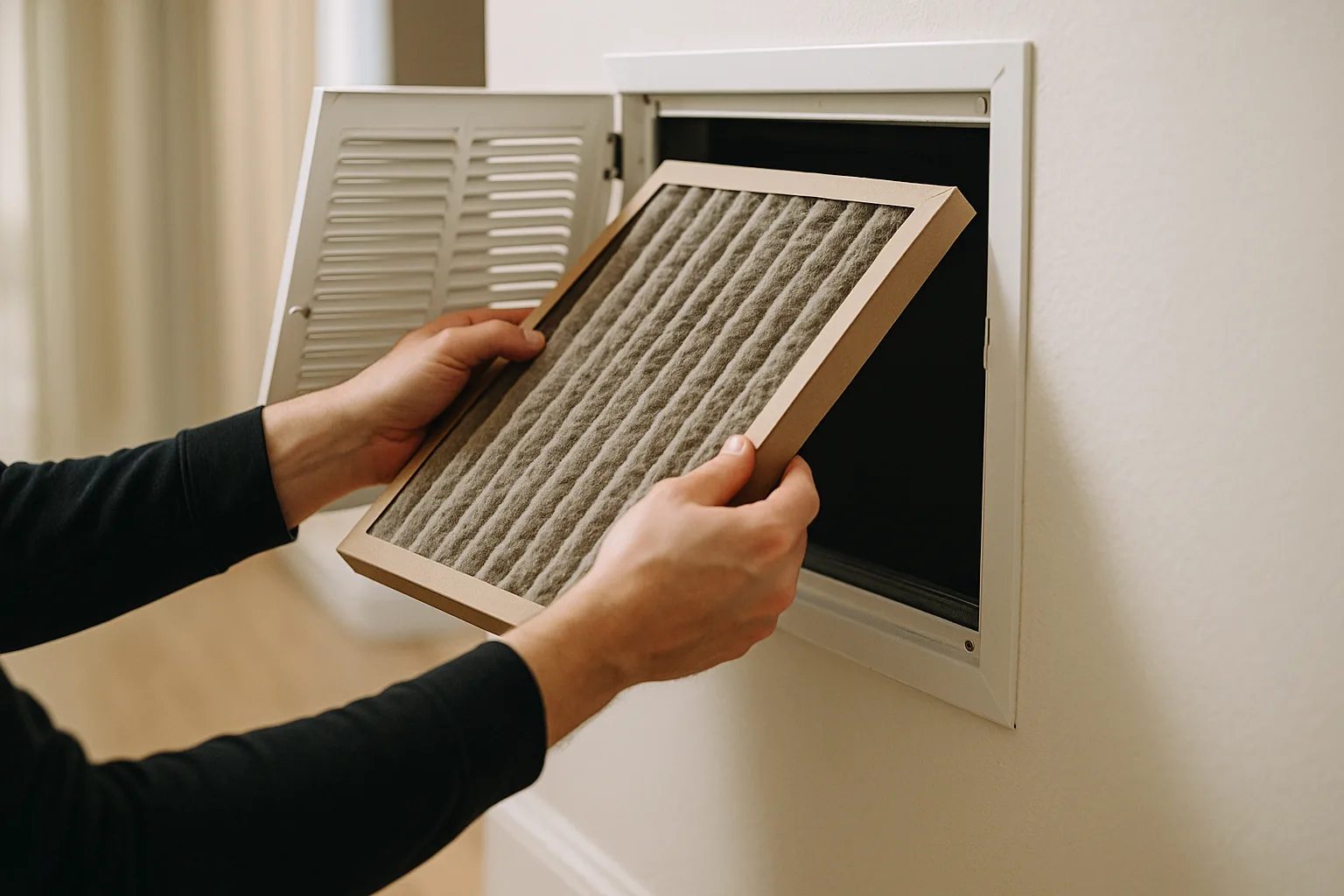
“The office explained my options very clearly with transparent pricing. The winter maintenance visit was scheduled for within a week of me calling.”

Keep the Dust, Pollen, and Grit From Making the Rounds
Stuffy rooms, dusty vents, and a filter past its prime are a quick fix, not a big project. Call the comfort crew, and we will match the right filter to your home and fit it fast. Our penguins keep the grit out so your family breathes easy.
Why Chester County Families Trust Precision Air With Their Air
The right filter for your home, not the priciest one on the shelf
A filter is not a place to upsell. The densest filter on the shelf can starve an older West Chester system of air and freeze the coil, so we match the rating to how your ductwork actually moves air. We have fitted filters across Chester County for 33 years; we show you the clogged one we pulled, and we tell you plainly when a basic swap is all you need.
Licensed, Insured & BBB A+ Accredited
Fully licensed and insured, with a BBB A+ accreditation, credentials earned and kept for decades.
From 900+ Customers
A 4.9-star Google rating built on real installs for real neighbors, not on pressure, gimmicks or fine print.
30+ Years of Local Service
Founded in 1993 and still locally owned. We know Chester County’s homes, its ductwork, and its tight mechanical spaces better than anyone.
- Sized right — airflow stays strong
- Local know-how — Chester County ductwork
- Looked after — checked every visit
Signs Your Home Air Filter Is Overdue For Replacement
A filter does its job silently, so it is easy to forget until the house tells on it. The good news is that the fix is cheap and fast when you catch it early. Here is what a tired filter looks like from the living room, before it turns into a strained blower or an iced coil.
Dust comes back too fast
If you clean on Saturday and the surfaces are gray again by Sunday, your filter is letting fine particles slip through and recirculate. A fresh, correctly rated filter catches them on the first pass.
Allergies feel worse indoors than out
When pollen and dander build in the air your family breathes all day, symptoms climb inside. In our pollen-heavy Chester County spring, a higher-MERV filter is often the simplest relief.
Weak airflow from the vents
A filter packed with months of debris chokes the system, so rooms feel stuffy, and the blower works harder. We check the filter first, before anyone assumes the problem is the equipment.
Longer run times and higher bills
A clogged filter makes your system run longer to move the same air, and you feel it on the PECO bill. A clean filter is the cheapest efficiency fix there is.
Every Home Air Filter We Install and Replace in Chester County
A filter is a trade-off between what it catches and how freely your system can pull air through it. The right one depends on your household and your ductwork, not on which box claims the biggest number. Here is the full range we fit across Chester County homes, matched to how your system is actually built.
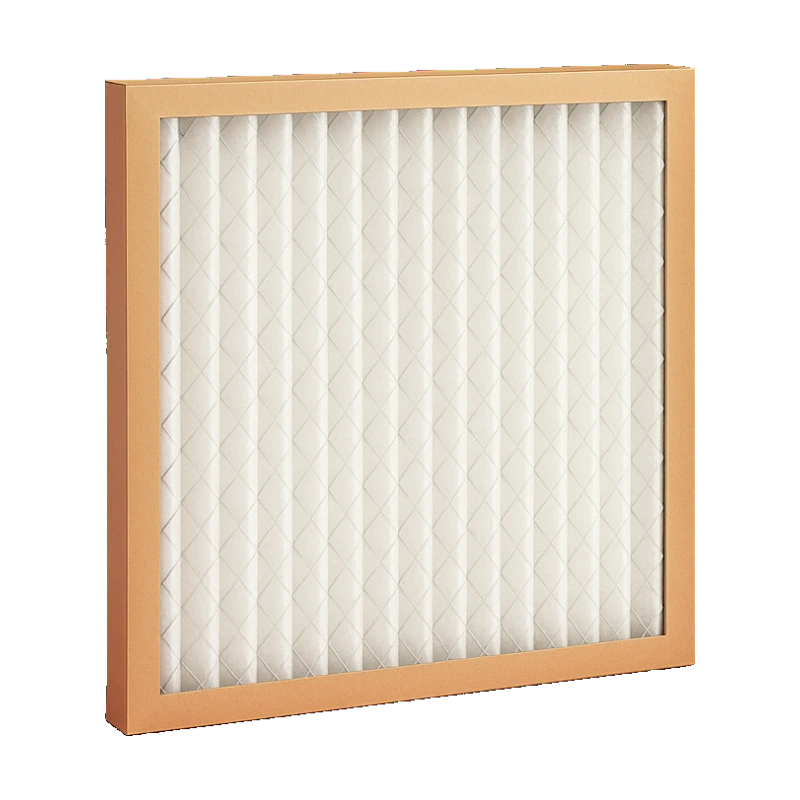
One-Inch Pleated Filters
The standard filter most systems ship with. They protect the equipment and catch everyday dust, and they need changing every one to three months to stay ahead of the debris.
Book Your Filter Service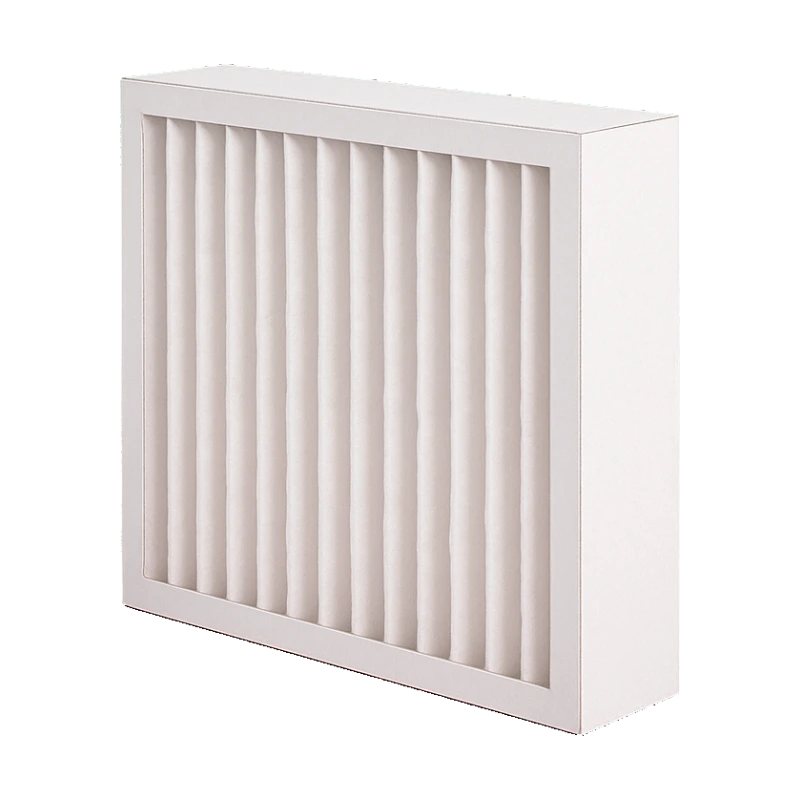
High-MERV Pleated Filters
A denser pleat that traps finer pollen and dander for allergy households. We confirm your system can move air through the higher rating before we fit one, so cleaner air never costs you airflow.
Book Your Filter Service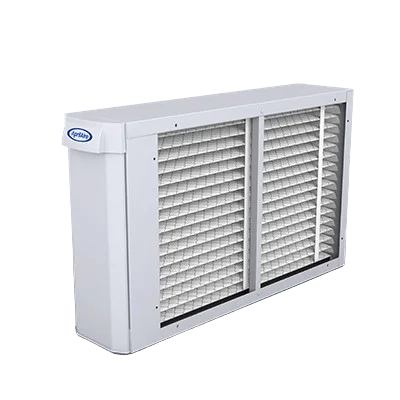
Four-Inch Media Filter Cabinets
A deep-pleated filter in a housing on the return duct that catches far more than a one-inch filter and only needs changing a few times a year. This is the four-inch MERV-13 setup we make standard on every new install.
Book Your Filter Service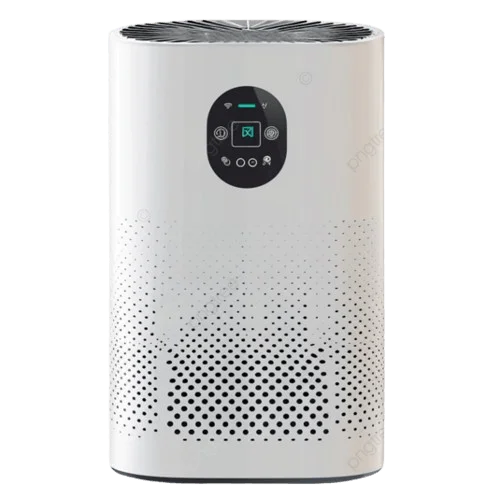
HEPA-Grade Bypass Filtration
Near lab-grade filtration for sensitive households, fitted as a bypass unit so your system keeps safe airflow while the finest particles get pulled out.
Book Your Filter Service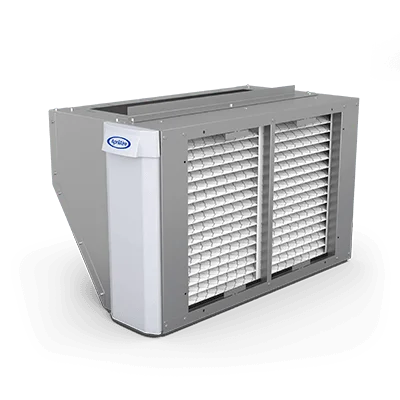
Activated Carbon Filters
Built to grab odors and fumes a particle filter passes straight through, from cooking smells to pets. A good add for homes where the air feels stale more than dusty.
Book Your Filter Service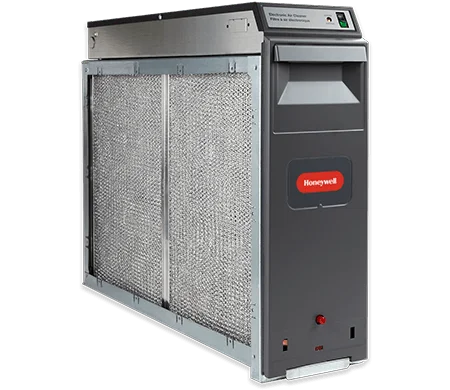
Electronic Air Cleaners
A powered unit that charges particles so they stick to a collector plate you wash and reuse. We service and re-fit these where a home already runs one.
Book Your Filter Service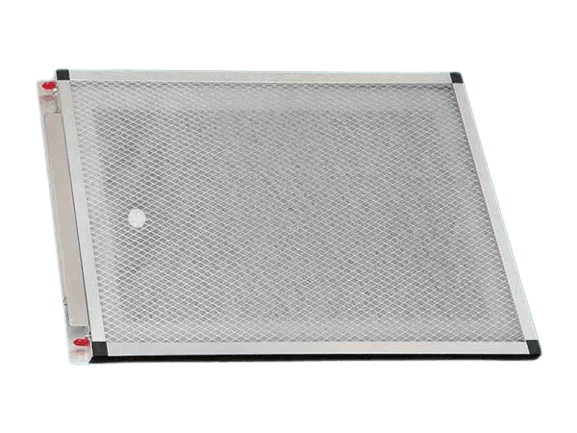
Washable Electrostatic Filters
A reusable filter you rinse instead of replace. We will tell you where one fits your home and where a disposable pleat protects the system better.
Book Your Filter Service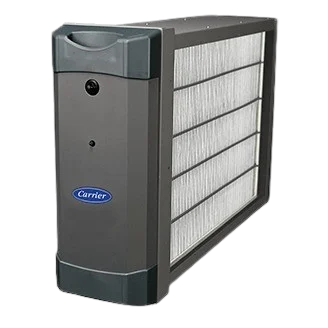
Whole-Home Filtration Systems
Filtration built into the ductwork to treat the air in the entire house at once, sized to your system so every room shares the benefit.
Book Your Filter ServiceRequest your free estimate
Tell us what’s going on. A real person follows up, usually the same business day.
* indicates required fields
Need a Filter Fitted Fast? We Keep It Simple
Quick, low-cost filter visits across Chester County, with the sizing done right

A filter swap should not turn into a sales call. We carry the common sizes and grades, we measure your return so the replacement seals properly, and we get in and out without disrupting your day. Same week, and sooner when your air quality cannot wait.
We answer, day or night
Someone here picks up during business hours, and after hours an answering service takes your call with a callback in minutes. No recording maze, and no waiting until Monday to book a visit.We size first, fit second
We measure your return and check how your ductwork moves air before we recommend a rating. That way the filter you get cleans the air without starving the system that pushes it.

“When you call, you get a person who actually helps.”
Eric Light · Owner & President
Filters Are the Front Line of Home Comfort Care
A habit, not a one-time fix, because Chester County air keeps loading them
One good filter today does not stay good. Pollen in spring, humidity in summer, and closed-up heating months each load a filter at a different pace, so the smart move is a schedule, not a scramble. A regular maintenance rhythm keeps ahead of it, and the Precision Comfort Club folds filter checks into seasonal visits, so your system is looked after before it complains, not after it quits.
- Cleaner air your family breathes daily
- Steady airflow to every room
- Lower monthly energy bills
- Longer life for your equipment
- Priority scheduling when we are busy
What’s Included in a Filter Check?
A filter check is more than a swap. Our technician measures the return, confirms the rating your system can handle, seats a properly sealed filter, and looks for the airflow problems a filter alone cannot fix, like leaky returns or an undersized duct. We show you what came out and note anything worth watching, so a five-dollar filter never turns into a frozen coil in July.
The Right Time for a Filter Change
Check a one-inch filter monthly and change it every one to three months, faster with pets or allergies. A four-inch media filter runs six to twelve months. The easiest rule is to tie it to the seasons, swapping ahead of spring pollen and again as the heat comes on, which is exactly when a maintenance visit already brings us to your door.



Cleaner Filters for West Chester, Exton, Downingtown, and Beyond
We are based at 208 Carter Drive in West Chester, minutes from the homes we help breathe easier. That means we know the pollen that rolls off the Brandywine every spring, the older borough twins where a too-dense filter starves the ductwork, and the newer builds out toward Exton. We fit filters for PECO-powered homes across Chester County, sized for air that swings from sealed-up winters to humid, pollen-heavy summers.
How Chester County’s Seasons Load Your Air Filter
Pennsylvania air never sits still. Pollen in spring, humidity in summer, falling leaves and the first furnace runs in autumn, then a sealed-up house all winter. Each season loads your filter at a different speed and changes how often it needs a look. Here is how the filter year plays out across Chester County.
Spring
Spring is the heaviest stretch. Pollen off the Brandywine and every blooming tree in the county loads filters faster than any other season. This is when a one-inch filter can clog in weeks, and when a higher-MERV filter earns its keep for allergy sufferers.
Summer
Summer runs your system hard, and long cooling cycles pull humid, dusty air through the filter for hours a day. A clean filter here protects both your air and your energy bill, since a clogged one makes the whole system strain to keep up.
Fall
Fall brings leaf mold and the first heating cycles, which stir up dust that settled all summer in the ducts. It is the ideal time to start fresh before the windows close, and to pair a filter change with a heating check in one visit.
Winter
Winter seals the house up tight, so the filter becomes your air’s main line of defense with no open windows to help. Dry heated air and more indoor time mean the filter works all season quietly, and a mid-winter swap keeps the air from going stale.
In any season, a call to (484) 690-4328 keeps your air clean and your system breathing.
How often should I change my home air filter in Chester County?
What MERV rating should my home filter be?
Do better filters really help with allergies?
Can the wrong filter damage my HVAC system?
What is a media filter cabinet, and is it worth it?
How much does a filter or upgrade cost?
Rated 4.9 Stars by 900+ Homeowners Across Chester County
Why homes like yours stick with us.
Verified Google reviews from neighbors around the county.
We woke up to a cold house with no heat. I called first thing in the morning and John came out the same day, honest and knowledgeable, and never tried to upsell us.
Donnie, Peter, Jake, and the entire install crew were fantastic. The mini-split install looks amazing, clean and neat, and they were professional and respectful of our home.
 D
DThe office explained my options very clearly with transparent pricing. The winter maintenance visit was scheduled for within a week of me calling.
I’ve been using Precision for over 5 years. Every technician is polite and explains everything in a way I understand. They schedule me immediately and treat me like family.
They came out quickly to repair our unit, and when we needed a new one the technicians were polite, on time, and informative. The new system works well.