
The Hidden Problems of Aging Water Heaters, And How Tankless Systems Fix Them
 Eric Light
Jun 18, 2026
6 min read
Eric Light
Jun 18, 2026
6 min read
Most people never think about their water heater until the morning a shower turns cold or a damp spot shows up on the basement floor. By then, the real trouble has usually been building unnoticed for years. Almost everything that goes wrong with an aging water heater happens out of sight, sealed inside the tank, long before there is any clue at the tap.
Knowing the warning signs lets you plan a replacement on your own terms instead of scrambling after a failure, and it explains why so many West Chester homeowners switch to tankless when the time comes. Here is what goes wrong inside an aging tank, why local water makes it worse, and how a tankless water heater installation solves it.
How Long Should a Water Heater Last in West Chester?
A traditional tank water heater typically lasts about 8 to 12 years, depending on how it is used, how well it is maintained, and the water running through it. That range matters because the problems below tend to surface in the back half of it. A unit that has been dependable for a decade is often closer to the end than its owner expects.
Local water has a lot to say about where a given heater lands in that range. Many homes in the townships around West Chester draw from private wells, and the water here tends to run hard, carrying dissolved minerals that settle out the moment the water is heated.
A standard tank holds that heated water around the clock, so it sits in constant contact with those minerals, plus heat and pressure, every hour of every day. The wear happens from the inside, which is why a tank can look perfectly fine right up until the day it fails. Reading the slow decline early is the key to staying ahead of it.
What Hidden Problems Show Up as a Tank Ages?
Because the wear is sealed inside the tank, the symptoms tend to creep in rather than announce themselves. Most homeowners notice one small thing, write it off, and only connect the dots later. Catching these signs early gives you time to plan your tankless water heater installation rather than reacting to a cold shower or a flooded utility closet on a bad morning.
- Lukewarm Showers: Hot water runs out faster than it used to, especially in the morning.
- Rusty Water: Discolored water at the hot tap often signals corrosion inside the tank.
- Popping Sounds: A rumbling or popping noise means water is boiling under sediment.
- Higher Energy Bills: A struggling heater works longer and harder to do the same job.
- Moisture or Pooling: Damp spots near the base often point to a slow tank leak.
The reason these signs sneak up is that a water heater has no dashboard. Nothing flips on when the anode rod gives out or sediment starts insulating the burner, so the tank just gets less effective until something gives. Any one of these deserves attention, but two or three together usually mean the tank is near the end of its life.
Why Do Water Heater Problems Get Worse Over Time?
The decline speeds up near the end because of two things happening out of sight inside the tank, and both trace back to that hard local water. The first is sediment. Minerals settle to the bottom and bake into a hard crust that sits between the burner and the water it is supposed to heat.
The heater then runs longer to deliver the same hot water, wasting energy and overheating the tank bottom, which is the source of that popping sound. The second is the anode rod, a sacrificial metal part that corrodes on purpose so the steel tank does not.
Most anode rods wear out every 3 to 5 years, and once one is gone, the tank itself starts to rust from within. Since almost no one thinks to replace that rod on schedule, the tank is often already corroding by the time the first hot-water complaint shows up. That is why a leak from the tank body usually calls for a full replacement rather than a simple repair.
How Does a Tankless System Fix Them?
A tankless water heater takes a completely different approach, and that one change solves most of the problems an aging tank runs into. Instead of storing a full tank of hot water around the clock, it heats water on demand, firing only when you open a tap. Remove the standing tank of water, and you remove the root of most of the trouble.
- With no standing tank, there is no large steel vessel left to corrode and eventually leak.
- Water never sits still, so sediment has nowhere to settle and bake onto a burner.
- Heating on demand means hot water keeps coming through back-to-back showers and laundry.
- Without a tank reheating all day, the unit generally uses less energy to do the same work.
- A tankless system commonly lasts 20 years or more, roughly double the life of a typical tank.
It also mounts neatly on a wall instead of taking up a corner of the basement, which is a welcome bonus in a tight West Chester utility space.
Is a Tankless Water Heater Right for Your West Chester Home?
Tankless is a strong fit for many homes, but it is not a default answer, and a few specifics decide whether it makes sense for yours. The most important is the flow rate, measured in gallons per minute. A whole-home unit usually needs to deliver around 6 to 8 GPM to run, say, two showers and the kitchen sink at the same time without anyone noticing a drop.
Our climate adds a wrinkle worth knowing. Incoming groundwater gets genuinely cold through a Pennsylvania winter, and the colder that water starts, the harder a tankless unit works and the lower its real output runs. A unit sized for a mild day can come up short in January, so correct sizing is everything.
The home’s setup matters too. A gas tankless model fires at a high input that can call for a larger gas line and proper venting, while hard well water means planning for periodic descaling so mineral scale never clogs the heat exchanger. A little regular maintenance keeps it running at its best, and a professional assessment is worth far more than a guess pulled off a spec sheet.
Tank vs. Tankless: How Do They Compare?
When it comes time to decide, it helps to see the two side by side. Both will keep your home in hot water, but they behave very differently over the years you own them. Cost is usually the first question, but it is rarely the whole story, since the cheaper unit to buy is not always the cheaper unit to own.
| Factor | Tank Water Heater | Tankless System |
|---|---|---|
| Typical lifespan | Around a decade | Two decades or more |
| Hot water supply | Limited by tank size | Continuous, on demand |
| Energy use | Reheats stored water all day | Heats only when needed |
| Space used | Large floor footprint | Compact, wall-mounted |
| Leak risk | Tank can corrode and flood | No stored-water tank |
| Upfront cost | Lower | Higher |
While tankless systems often offer advantages in efficiency and lifespan, the best investment is ultimately the one that’s properly sized and installed for your household. An experienced plumbing professional can evaluate your hot water usage, fuel source, plumbing configuration, and budget to help you choose a system that delivers reliable performance rather than costly surprises after installation.
Why Choose Precision Air Heating & Cooling for Water Heater Service in West Chester, PA
An aging water heater rarely gives a clear warning before it quits. Sediment from hard water, a worn-out anode rod, and slow corrosion build up for years inside the tank, which is why the hot-water problems so often seem to arrive all at once.
At Precision Air Heating & Cooling, more than 30 years of service across Chester and Delaware County means the team has seen how local well water and cold winter inlet temperatures treat both tank and tankless systems. When tankless is the right call, we install a tankless system sized for your home’s real demand, not a generic estimate.
If your hot water is running out early, or you have spotted rusty water or moisture near the tank, it is worth an honest evaluation before it fails.
Owner & President of Precision Air Heating & Cooling, the independent, family-owned company that has served West Chester and Chester County homes since 1993.
Keep Reading
More From the Precision Air Blog
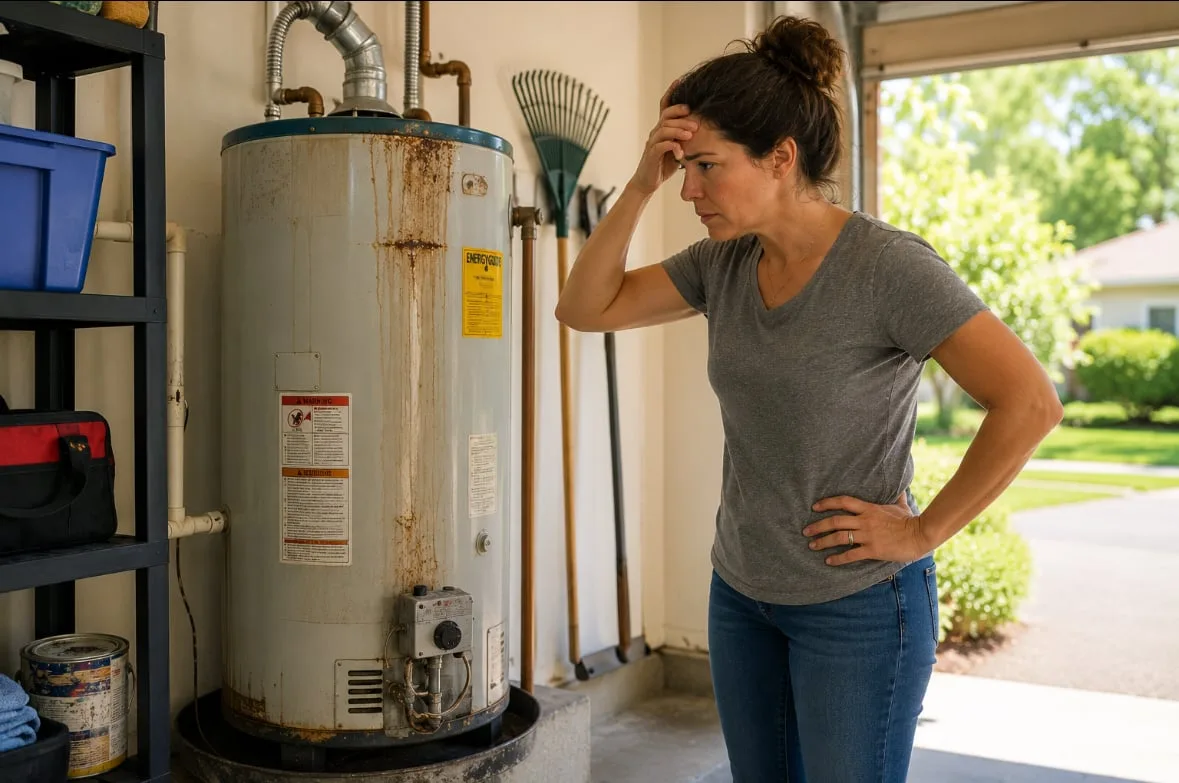
Why Your Water Heater Might Struggle During West Chester’s Warmer Summer Months
In West Chester, summer humidity and increased household water usage can place unexpected strain on residential water heaters.
Read the article
How to Know If Your West Chester, PA, Water Heater Needs Repair: 5 Common Signs
Hot water is something most homeowners don’t think about—until it becomes unreliable. Whether it’s a sudden drop in temperature during a shower
Read the article
Why Is My West Chester Water Heater Making Strange Noises?
If your water heater has started making popping, rumbling, or hissing sounds, it’s not something to ignore, especially in a West Chester home
Read the article
Why Professional Water Heater Repair Is Your Best Defense Against Hard Water Damage In West Chester, PA
Living in West Chester, PA, means dealing with a local water supply packed with minerals like calcium and magnesium.
Read the article
Why Now Is the Perfect Time to Switch to a Heat Pump Water Heater
If you’re considering a smarter, more efficient way to heat water in your home, a heat pump water heater is one of the best upgrades available.
Read the article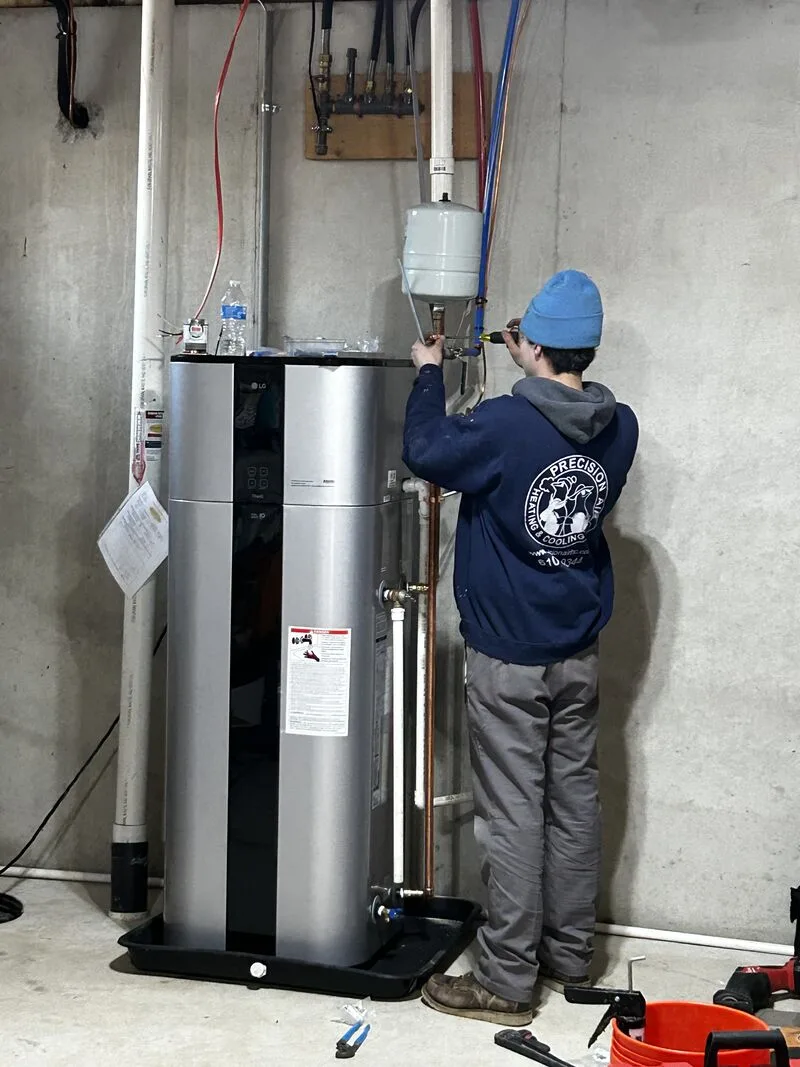
Heat Pump Water Heater Benefits & Tax Credit Guide
Hot water is a daily essential—but heating it shouldn’t drain your wallet. If you’re looking for a smarter, more efficient upgrade, a heat pump water heater might be exactly what your home n
Read the article
How Local Weather in West Chester Puts Extra Stress on Your AC
If your air conditioner feels like it never quite catches up on a sticky August afternoon in West Chester, you are not imagining it.
Read the article
How West Chester’s Fluctuating Weather Affects Your Heat Pump
Spring weather in West Chester often changes quickly between cool mornings, humid afternoons, rain showers, and warmer daytime temperatures.
Read the article
How Furnace Replacement Saves Energy and Lowers Costs in West Chester, PA
Heating costs don’t usually spike overnight. Instead, many homeowners notice a gradual increase in energy bills, longer heating cycles, or rooms that never feel fully comfortable.
Read the article

Ready When You Are
Your Home Deserves Someone Who Does the Right Thing When No One’s Looking.
Tell us what’s going on and we’ll give you a clear, upfront estimate and a time that works. One local crew for heating and cooling, every season.
Family-owned in West Chester since 1993 · ★ 4.9 from 900+ Google reviews
Read more about our water heater services in West Chester, PA.