
Heat Pump Water Heater Benefits & Tax Credit Guide
 Eric Light
Feb 15, 2025
3 min read
Eric Light
Feb 15, 2025
3 min read
Hot water is a daily essential—but heating it shouldn’t drain your wallet. If you’re looking for a smarter, more efficient upgrade, a heat pump water heater might be exactly what your home needs.
It uses cutting-edge technology to cut energy use and lower your bills—and thanks to new tax credits, it’s more affordable than ever. Here’s what you need to know!
What Is A Heat Pump Water Heater?
A heat pump water heater (HPWH) is an energy-efficient water heating system that transfers heat from the surrounding air to the water, using significantly less electricity than traditional electric water heaters.
Instead of generating heat directly, it moves heat via a refrigerant cycle, making it 60%–70% more efficient. Many models also include an electric resistance backup for high-demand periods.
Heat pump water heaters are also called “hybrid” water heaters, because they blend heat pump technology with the traditional purpose of a water heater: storing hot water in a tank.
Benefits of A Heat Pump Water Heater
- Lower energy consumption
- Reduced utility bills
- Longer lifespan compared to standard electric water heaters
- Help decrease carbon emissions (environmentally friendly option)
Tax Credit For Heat Pump Water Heater In 2024
Under the Inflation Reduction Act (IRA), homeowners can claim a 30% federal tax credit (up to $2,000) for purchasing and installing an ENERGY STAR®-certified HPWH. This credit can be claimed using IRS Form 5695 when filing taxes.
Precision Air, Heating & Cooling: Your Local Heat Pump Pros
Need help with a heat pump water heater? Trust Precision Air Heating & Cooling—West Chester’s go-to experts for reliable heat pump water heater repair and installation.
We’ll help you save energy, lower your bills, and keep hot water flowing year-round. Schedule your service today!
Owner & President of Precision Air Heating & Cooling, the independent, family-owned company that has served West Chester and Chester County homes since 1993.
Keep Reading
More From the Precision Air Blog
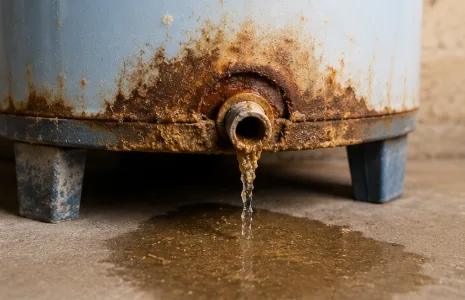
The Hidden Problems of Aging Water Heaters, And How Tankless Systems Fix Them
Most people never think about their water heater until the morning a shower turns cold or a damp spot
Read the article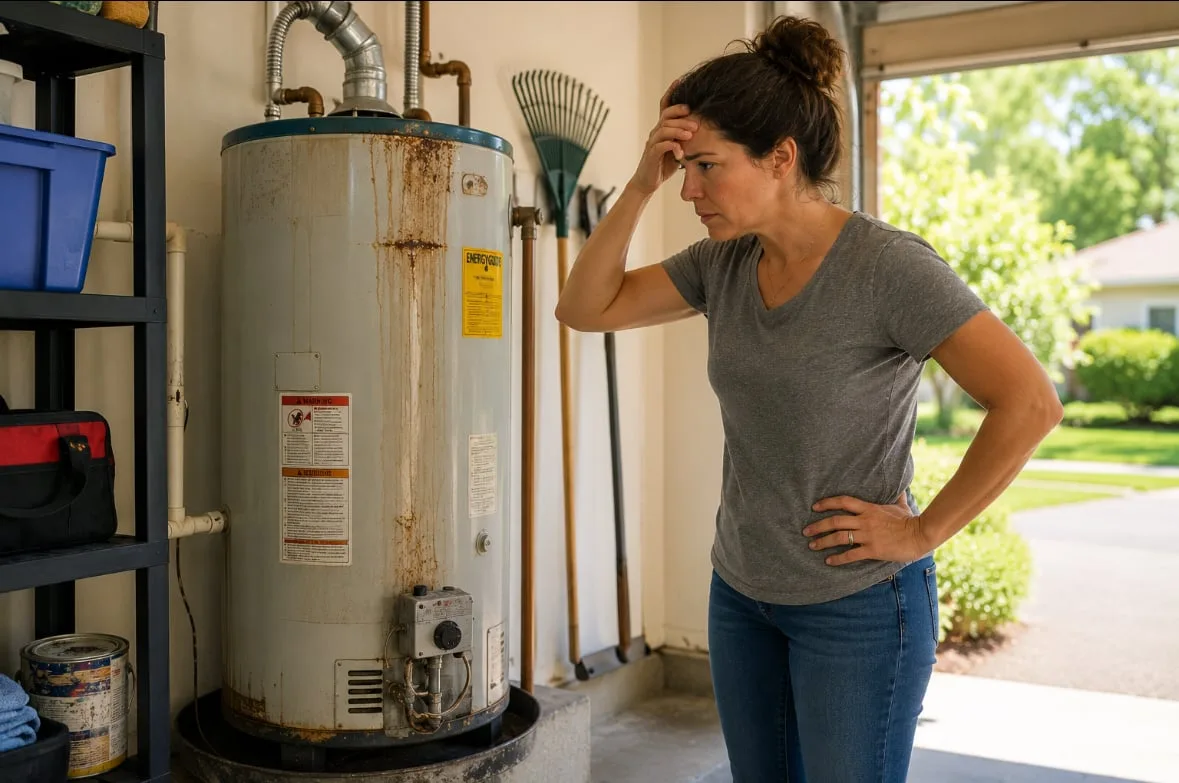
Why Your Water Heater Might Struggle During West Chester’s Warmer Summer Months
In West Chester, summer humidity and increased household water usage can place unexpected strain on residential water heaters.
Read the article
How to Know If Your West Chester, PA, Water Heater Needs Repair: 5 Common Signs
Hot water is something most homeowners don’t think about—until it becomes unreliable. Whether it’s a sudden drop in temperature during a shower
Read the article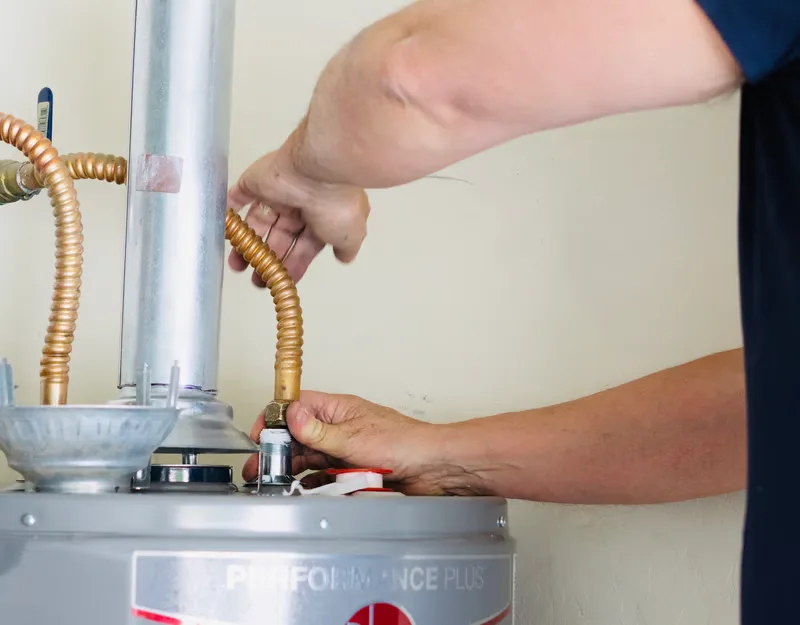
Why Is My West Chester Water Heater Making Strange Noises?
If your water heater has started making popping, rumbling, or hissing sounds, it’s not something to ignore, especially in a West Chester home
Read the article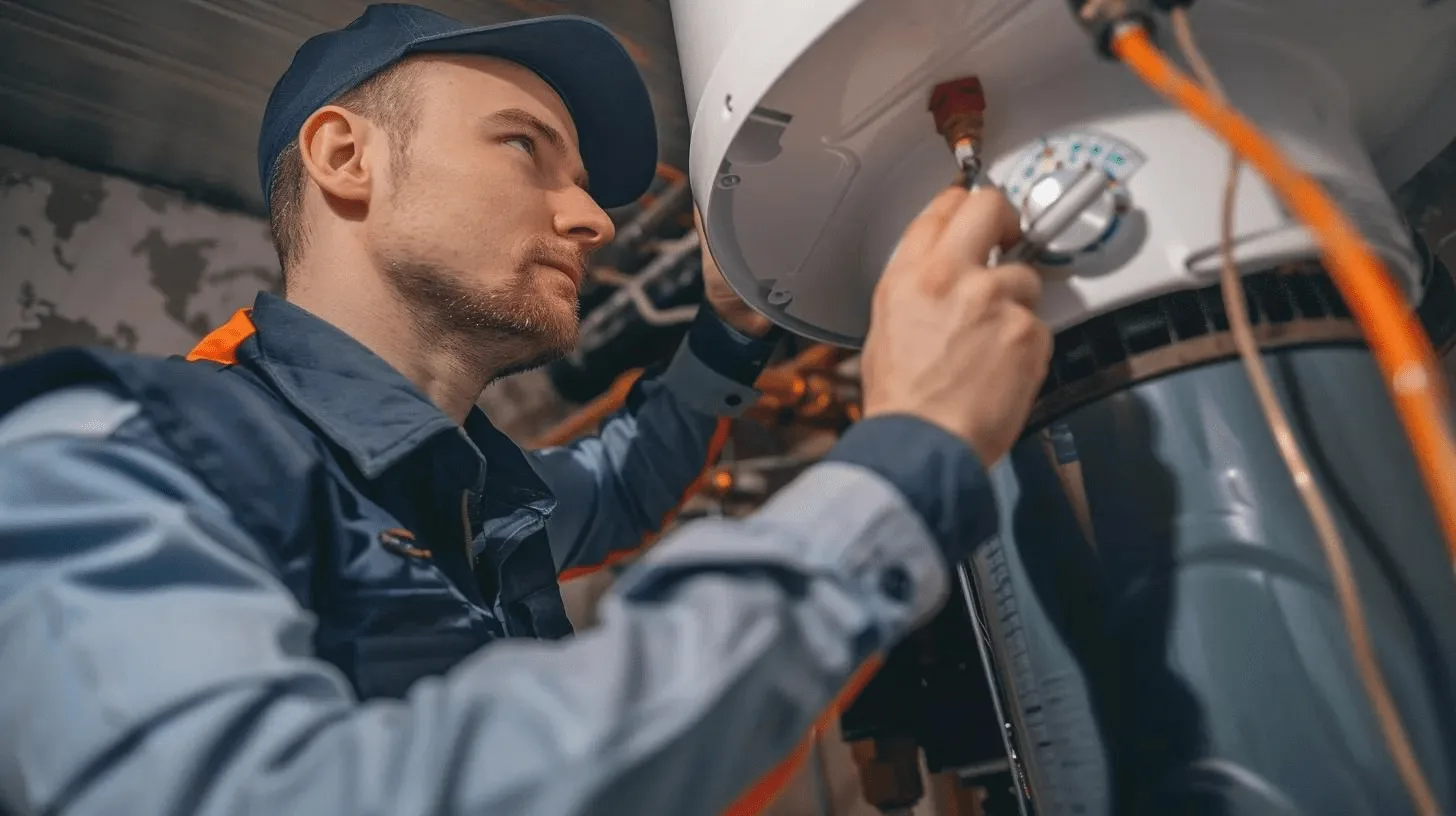
Why Professional Water Heater Repair Is Your Best Defense Against Hard Water Damage In West Chester, PA
Living in West Chester, PA, means dealing with a local water supply packed with minerals like calcium and magnesium.
Read the article
Why Now Is the Perfect Time to Switch to a Heat Pump Water Heater
If you’re considering a smarter, more efficient way to heat water in your home, a heat pump water heater is one of the best upgrades available.
Read the article
How Local Weather in West Chester Puts Extra Stress on Your AC
If your air conditioner feels like it never quite catches up on a sticky August afternoon in West Chester, you are not imagining it.
Read the article
How West Chester’s Fluctuating Weather Affects Your Heat Pump
Spring weather in West Chester often changes quickly between cool mornings, humid afternoons, rain showers, and warmer daytime temperatures.
Read the article
How Furnace Replacement Saves Energy and Lowers Costs in West Chester, PA
Heating costs don’t usually spike overnight. Instead, many homeowners notice a gradual increase in energy bills, longer heating cycles, or rooms that never feel fully comfortable.
Read the article

Ready When You Are
Your Home Deserves Someone Who Does the Right Thing When No One’s Looking.
Tell us what’s going on and we’ll give you a clear, upfront estimate and a time that works. One local crew for heating and cooling, every season.
Family-owned in West Chester since 1993 · ★ 4.9 from 900+ Google reviews
Read more about our water heater services in West Chester, PA.