
Why Is My West Chester Water Heater Making Strange Noises?
 Eric Light
Mar 27, 2026
7 min read
Eric Light
Mar 27, 2026
7 min read
If your water heater has started making popping, rumbling, or hissing sounds, it’s not something to ignore, especially in a West Chester home where systems work hard year-round.
What might seem like a minor annoyance can actually be an early sign of sediment buildup, pressure imbalance, or internal wear. You may notice these sounds getting louder after showers or during heating cycles, making it clear that something isn’t operating as it should. Understanding what’s causing these noises can help you protect your comfort, avoid unexpected breakdowns, and keep your hot water system running safely.
Why Your Water Heater in West Chester May Start Making Strange Noises
If your system begins producing popping, rumbling, or hissing sounds, it’s often related to internal changes caused by mineral buildup, pressure shifts, or aging components.
In West Chester homes, these noises are especially common due to mineral-rich water and older basement installations. As the system continues to operate, these factors can gradually affect how efficiently it heats water.
Common water heater noises you may notice include:
- Rumbling Sounds – Occur during heating cycles as sediment shifts, creating vibrations and reducing efficiency.
- Popping Noises – Trapped water bubbles force through hardened mineral buildup, producing sharp popping sounds inside tank.
- Hissing Sounds – Indicates steam release or pressure relief valve activity due to excess heat or pressure buildup.
- Banging Pipes – Caused by sudden pressure or temperature changes, leading to loud knocking sounds in plumbing lines.
As these noises develop, they often signal that internal conditions are changing. One of the most common causes behind these sounds is sediment buildup inside the tank.
Popping and Rumbling Sounds Caused by Sediment Buildup Inside the Tank
One of the most frequent reasons for popping and rumbling noises is sediment accumulation at the bottom of the tank. In areas with mineral-rich water, particles such as calcium and magnesium settle over time and form a hardened layer.
When the system heats water, trapped pockets beneath this sediment begin to overheat and turn into steam, creating the popping sounds you hear.
Signs of sediment-related noise include:
- Sharp Popping Sounds – Steam bubbles breaking through hardened mineral layers.
- Rumbling During Heating – Sediment shifting as water heats inside the tank.
- Louder Operation Over Time – Increased buildup leads to stronger noise levels.
- Reduced Efficiency – Sediment blocks heat transfer and increases energy use.
- Tank Stress – Continuous overheating can shorten system lifespan.
As sediment buildup increases, it can begin affecting pressure levels inside the tank, which may lead to different types of noises, such as banging or knocking.
Banging or Knocking Noises Linked to Pressure Changes and Expanding Components
If your water heater suddenly makes banging or knocking sounds, it can feel alarming, especially in quiet basement spaces. These noises are often caused by rapid pressure changes or internal metal components expanding and contracting during heating cycles.
In West Chester homes, this tends to happen more frequently during colder mornings or after heavy hot water usage. As internal pressure fluctuates, the system may produce sharp or echoing sounds that signal stress inside the tank.
Common causes of banging or knocking sounds include:
- Pressure Surges – Sudden pressure changes during heating cycles create loud knocking in pipes.
- Metal Expansion – Tank walls expand and contract as temperatures rapidly change during operation.
- Sediment Shifting – Hardened mineral layers move, creating internal vibrations and impact sounds.
- Aging Components – Older systems develop loosened parts that amplify operational noise levels.
- Water Hammer Effect – Fast-moving water causes pipes to bang when flow suddenly stops.
As these pressure-related noises continue, they can begin affecting internal safety components, which is when hissing sounds may start to appear. If you’re hearing unusual sounds from your HVAC system, it might be time for a professional check-up. Contact our expert heating contractors in West Chester, PA, for an inspection today!
Hissing Sounds From Pressure Relief Valves or Minor Water Leaks
A steady hissing noise coming from your water heater usually indicates pressure being released or a small leak forming.
This often happens near the temperature and pressure (T&P) valve, which is designed to release excess pressure when the system overheats. In humid basement environments common in West Chester homes, even small leaks can go unnoticed while causing long-term damage.
| Symptom | Possible Cause | Impact on Your System |
|---|---|---|
| Hissing near valve | Excess pressure release | Indicates overheating or pressure imbalance |
| Hissing at tank base | Small water leak forming | Leads to corrosion and structural damage |
| Steam release sound | Overheating inside tank | Risk of system stress and reduced lifespan |
| Damp surrounding area | Hidden leak in fittings | Can cause mold or water damage over time |
| Irregular hissing pattern | Valve malfunction | May require immediate inspection |
Additional warning signs to watch include:
- Valve Activation – Pressure relief valve releases steam due to excessive internal pressure buildup.
- Hidden Leaks – Small leaks develop around fittings and worsen gradually without immediate visibility.
- Moisture Accumulation – Dampness around the tank indicates ongoing water seepage or condensation issues.
- Corrosion Risk – Continuous moisture exposure weakens tank structure and shortens overall lifespan.
- Inconsistent Sounds – Irregular hissing may signal failing safety components inside the system.
If these issues persist, addressing them early through professional water heater repair in West Chester can help prevent further damage. In many cases, these symptoms are closely connected to mineral buildup caused by hard water conditions.
How Hard Water in West Chester Contributes to Scale Formation and Noise
In areas with mineral-rich water like West Chester, scale buildup is one of the most common reasons water heaters begin making noise.
Minerals such as calcium and magnesium settle at the bottom of the tank over time, forming a hardened layer. As the system heats water, trapped pockets beneath this sediment turn into steam, creating popping or rumbling sounds during operation.
Effects of hard water buildup inside your system include:
- Steam Popping Sounds – Trapped water bubbles push through hardened mineral deposits inside the tank.
- Rumbling During Heating – Sediment shifts as heat builds, creating noticeable internal vibrations.
- Reduced Heating Efficiency – Mineral layers block heat transfer, forcing system to work harder.
- Increased Energy Bills – Longer heating cycles result in higher monthly utility costs.
- Accelerated System Wear – Continuous strain reduces the lifespan of internal tank components.
Over time, this buildup can lead to more serious internal damage, especially if the system is not regularly flushed or maintained. Routine water heater maintenance can help reduce sediment accumulation and improve long-term performance.
When Water Heater Noises Indicate Serious Damage or Imminent Failure
While some noises may start as minor annoyances, others can signal serious internal damage developing inside your water heater. As systems age or operate under continuous strain, small issues can escalate into major failures. Ignoring these warning signs can lead to sudden breakdowns, water leaks, or even safety risks. Many homeowners only realize the severity of the issue once the noises become louder or more frequent.
Signs that may indicate serious system problems include:
- Loud Continuous Rumbling – Heavy sediment buildup placing excessive strain on tank structure.
- Frequent Popping After Use – Overheating due to trapped water beneath mineral layers.
- Persistent Hissing Sounds – Pressure imbalance or failing safety valve components.
- Banging in Older Units – Aging systems nearing the end of their functional lifespan.
- Escalating Noise Levels – Increasing sound intensity signals worsening internal conditions.
When these warning signs appear, it often means the system is no longer operating safely or efficiently. In some cases, evaluating options like water heater replacement may be necessary to restore reliable hot water and avoid further damage.
How Professional Technicians Diagnose and Fix Noisy Water Heaters
When water heater noises continue despite basic checks, a professional evaluation helps identify the exact cause. Technicians assess multiple performance factors, including sediment buildup, pressure levels, and internal component condition. This process helps determine whether the issue can be resolved through repair or if more extensive work is needed.
Professional diagnostic steps typically include:
- Tank Flushing Service – Removes sediment buildup to eliminate rumbling and popping noises.
- Pressure Testing – Checks for unsafe pressure levels affecting valves and internal components.
- Thermostat Inspection – Ensures overheating is not causing excessive internal stress.
- Component Evaluation – Examines heating elements, anode rods, and internal connections for wear.
- Leak Detection – Identifies small leaks before they lead to structural damage.
Addressing these issues early helps improve efficiency, restore quiet operation, and extend your system’s lifespan. Choosing a reliable HVAC company in West Chester ensures the problem is accurately diagnosed and properly resolved the first time. Working with experienced professionals for water heater repair or maintenance can help prevent recurring noise issues, protect your system from further damage, and keep your hot water running reliably.
Why Choose Precision Air for Water Heater Service in West Chester, PA
When your water heater starts making unusual noises, choosing a plumbing company familiar with West Chester’s water conditions and home structures can make a meaningful difference.
Local experience helps identify issues related to hard water buildup, aging systems, and basement installations more accurately. A detailed evaluation ensures that the root cause of the noise is addressed, rather than temporarily resolved.
Working with a reliable plumbing contractor for water heater repair, ongoing water heater maintenance, or system upgrades like water heater replacement can help restore reliable performance, reduce unexpected breakdowns, and maintain consistent hot water throughout your home.
Owner & President of Precision Air Heating & Cooling, the independent, family-owned company that has served West Chester and Chester County homes since 1993.
Keep Reading
More From the Precision Air Blog
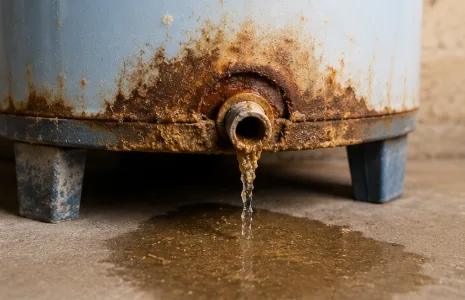
The Hidden Problems of Aging Water Heaters, And How Tankless Systems Fix Them
Most people never think about their water heater until the morning a shower turns cold or a damp spot
Read the article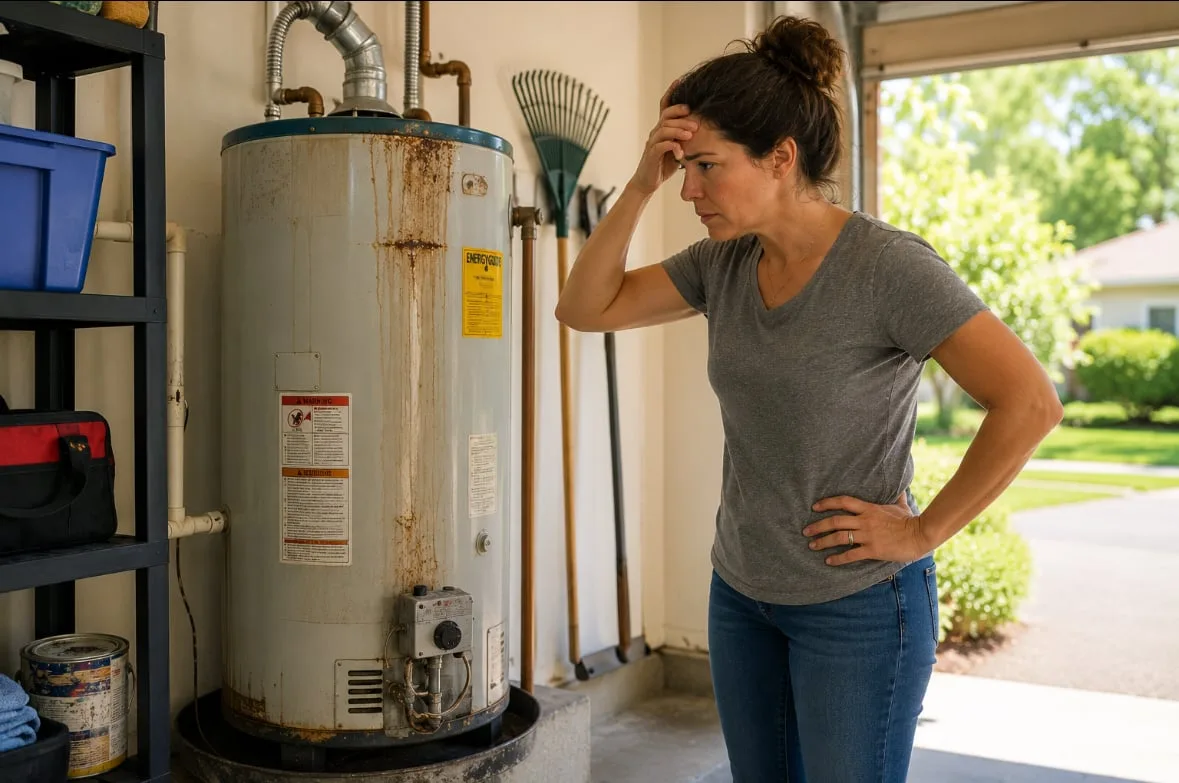
Why Your Water Heater Might Struggle During West Chester’s Warmer Summer Months
In West Chester, summer humidity and increased household water usage can place unexpected strain on residential water heaters.
Read the article
How to Know If Your West Chester, PA, Water Heater Needs Repair: 5 Common Signs
Hot water is something most homeowners don’t think about—until it becomes unreliable. Whether it’s a sudden drop in temperature during a shower
Read the article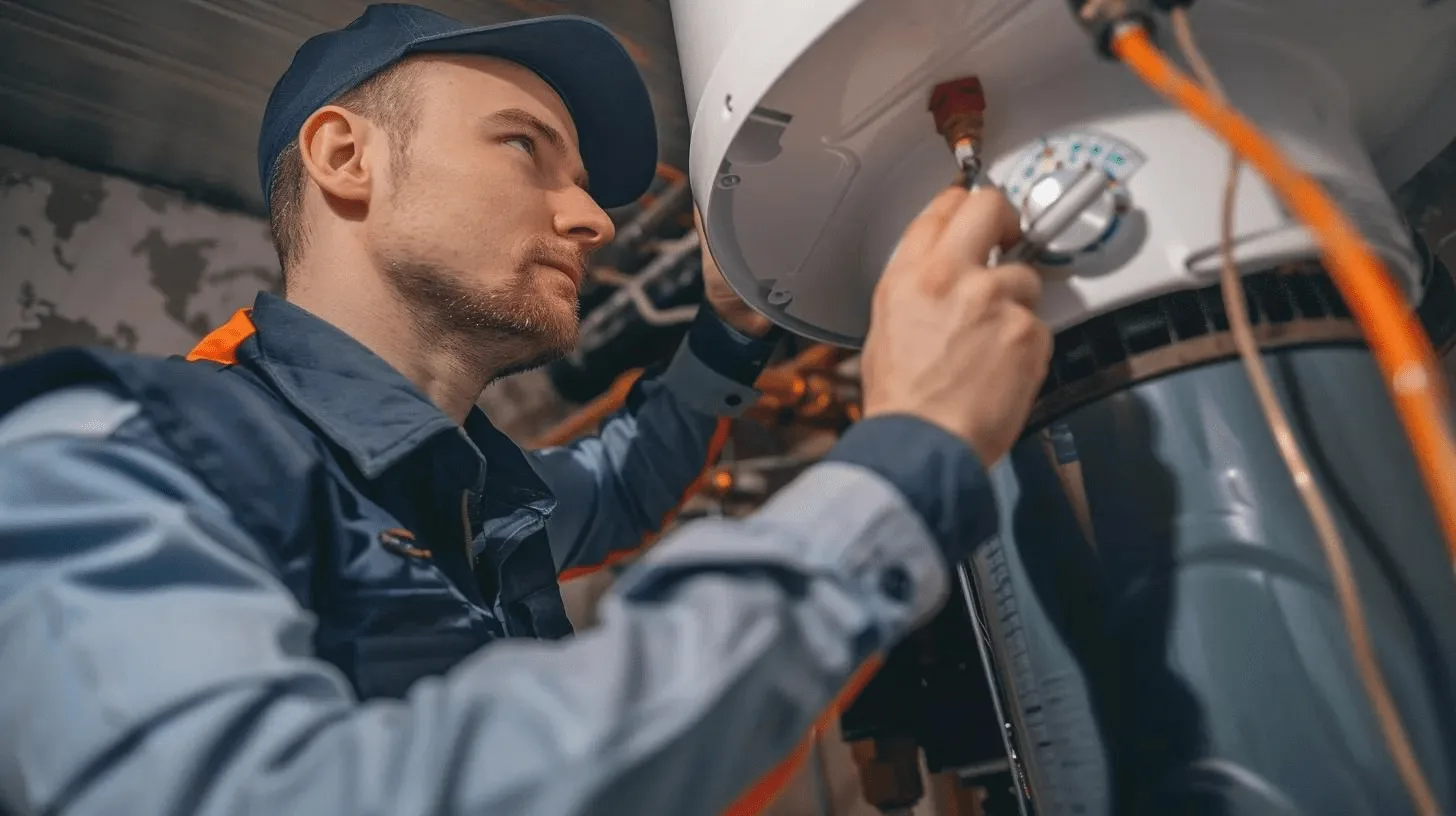
Why Professional Water Heater Repair Is Your Best Defense Against Hard Water Damage In West Chester, PA
Living in West Chester, PA, means dealing with a local water supply packed with minerals like calcium and magnesium.
Read the article
Why Now Is the Perfect Time to Switch to a Heat Pump Water Heater
If you’re considering a smarter, more efficient way to heat water in your home, a heat pump water heater is one of the best upgrades available.
Read the article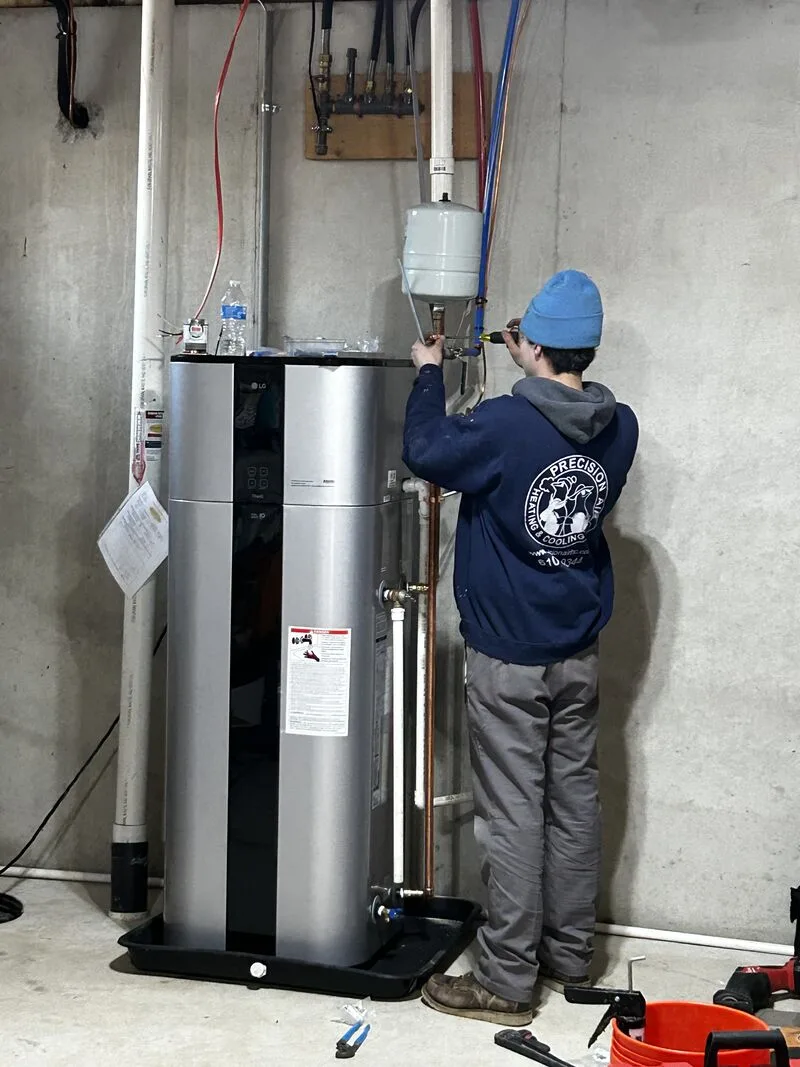
Heat Pump Water Heater Benefits & Tax Credit Guide
Hot water is a daily essential—but heating it shouldn’t drain your wallet. If you’re looking for a smarter, more efficient upgrade, a heat pump water heater might be exactly what your home n
Read the article
How Local Weather in West Chester Puts Extra Stress on Your AC
If your air conditioner feels like it never quite catches up on a sticky August afternoon in West Chester, you are not imagining it.
Read the article
How West Chester’s Fluctuating Weather Affects Your Heat Pump
Spring weather in West Chester often changes quickly between cool mornings, humid afternoons, rain showers, and warmer daytime temperatures.
Read the article
How Furnace Replacement Saves Energy and Lowers Costs in West Chester, PA
Heating costs don’t usually spike overnight. Instead, many homeowners notice a gradual increase in energy bills, longer heating cycles, or rooms that never feel fully comfortable.
Read the article

Ready When You Are
Your Home Deserves Someone Who Does the Right Thing When No One’s Looking.
Tell us what’s going on and we’ll give you a clear, upfront estimate and a time that works. One local crew for heating and cooling, every season.
Family-owned in West Chester since 1993 · ★ 4.9 from 900+ Google reviews
Read more about our water heater services in West Chester, PA.