How Furnace Replacement Saves Energy and Lowers Costs in West Chester, PA
 Eric Light
Apr 24, 2026
8 min read
Eric Light
Apr 24, 2026
8 min read
Heating costs don’t usually spike overnight. Instead, many homeowners notice a gradual increase in energy bills, longer heating cycles, or rooms that never feel fully comfortable. These changes often point to declining furnace efficiency rather than sudden system failure.
In West Chester, Pennsylvania, where winters require consistent heating, older furnaces tend to work harder over time to maintain the same level of comfort. Understanding how efficiency loss impacts energy usage helps homeowners make informed decisions about whether repair or replacement is the more cost-effective solution.
Why Older Furnaces Cost More to Run in West Chester Homes
Heating costs often increase gradually, which is why many homeowners don’t immediately connect rising bills to an aging furnace.
In West Chester, where winters bring consistent heating demand, furnaces that are 10–15 years old or older typically begin to lose efficiency due to wear on critical components. Even if the system is still running, it often has to work longer and harder to deliver the same level of comfort it once did.
Older systems were also built to lower efficiency standards, often operating at 70–80% AFUE compared to modern units that reach 90% or higher. This means a larger portion of the fuel being used is wasted rather than converted into usable heat.
As a result, homeowners may notice uneven temperatures, longer run times, and increasing utility costs without a clear understanding of why it’s happening.
Where older furnaces lose efficiency:
- Outdated burners waste fuel during combustion and heat transfer
- Worn blower components reduce airflow and heat distribution efficiency
- Heat exchangers lose effectiveness due to age and internal buildup
- Systems run longer cycles to maintain consistent indoor temperatures
Over time, these inefficiencies compound, especially during colder months when the system is under constant demand. What seems like a small drop in performance can lead to noticeably higher energy costs and reduced comfort across the home.
How Furnace Efficiency Impacts Your Energy Bills
Furnace efficiency has a direct and measurable impact on what you pay each month, especially during West Chester’s colder seasons when systems run for extended hours.
For example, an older furnace with lower efficiency may lose a significant portion of heat during the combustion process. This means your system must run longer to compensate, using more energy while delivering less comfort.
| Lower Efficiency Furnace (70-80% AFUE) | High Efficiency Furnace (90%+ AFUE) |
|---|---|
| Wastes a portion of fuel during combustion | Converts most fuel into usable heat |
| Runs longer to maintain thermostat setting | Heats home faster with shorter cycles |
| Struggles to maintain consistent temperatures | Provides steady and balanced heating |
| Higher monthly heating costs over time | Lower energy bills with improved efficiency |
Upgrading to a high-efficiency furnace is one of the most effective ways to control heating costs while improving overall system performance.
Signs Your Furnace Is Wasting Energy and Increasing Costs
Frequent Cycling or Running Longer Than Necessary
If your furnace turns on and off frequently or runs for extended periods without reaching the desired temperature, it often indicates reduced efficiency. This happens when the system struggles to maintain consistent heat output due to internal wear or airflow issues.
Over time, this pattern increases energy usage and puts additional stress on system components, leading to higher operating costs and potential breakdowns.
Uneven Heating and Comfort Issues
Uneven heating is another sign that your furnace is not operating efficiently. Some rooms may feel warm while others remain noticeably cooler, even when the system is running consistently.
This issue often results from airflow imbalances, aging components, or reduced system capacity. As efficiency declines, the furnace can no longer distribute heat evenly throughout the home.
Increasing Utility Bills Each Season
Gradual increases in energy bills without changes in usage are a strong indicator of declining furnace efficiency. As the system ages, it requires more energy to produce the same level of heat, leading to higher monthly costs.
In many cases, homeowners notice that heating expenses rise each winter, even though their usage habits remain the same. This pattern suggests that the system is no longer operating efficiently.
How a New Furnace Improves Energy Efficiency
Upgrading to a new furnace is not just about replacing an old system—it’s about improving how efficiently your home uses energy. Modern furnaces are designed to convert more fuel into usable heat while minimizing energy loss during operation.
In real-world conditions, homeowners often notice faster heating, more consistent temperatures, and reduced system runtime after a professional furnace replacement. These improvements directly impact both comfort and energy consumption.
Higher AFUE Ratings and Better Fuel Usage
New furnaces come with higher AFUE (Annual Fuel Utilization Efficiency) ratings, which measure how effectively the system converts fuel into heat. Older systems may operate at 60–70% efficiency, while modern units can reach 90% or higher.
This means less fuel is wasted during operation and more heat is delivered into your home. Over time, this improved efficiency significantly reduces energy usage and operating costs.
What higher efficiency means for homeowners:
- More heat produced with less fuel consumption
- Reduced energy waste during heating cycles
- Lower monthly utility bills over time
- Improved overall system performance
Consistent Heating With Less Energy Consumption
Modern furnace systems are built to maintain steady temperatures without overworking. Instead of running longer cycles, a properly installed heating system delivers consistent heat using less energy and helps you avoid the hassle of furnace repairs later down the road.
This results in a more balanced indoor environment, where rooms heat evenly, and the system does not need to constantly adjust to maintain comfort.
Efficiency improvements you can expect:
- Shorter and more effective heating cycles
- Even temperature distribution throughout the home
- Reduced strain on system components
- Improved comfort without increased energy usage
Ways Furnace Replacement Helps Lower Overall Costs
Replacing an aging furnace is often less about the upfront investment and more about eliminating the ongoing costs tied to inefficiency.
In real service scenarios across West Chester homes, systems with low AFUE ratings tend to drive higher utility bills and repeated repair needs. After a professional furnace replacement, homeowners typically see reduced energy use, fewer service calls, and improved overall system reliability over time.
Reduced Monthly Energy Bills
A high-efficiency furnace uses significantly less fuel to maintain the same indoor temperature, especially during peak winter months.
Systems rated with higher AFUE convert more fuel into usable heat, reducing waste and improving performance. When paired with a properly calibrated smart thermostat, homeowners can further optimize heating cycles and lower monthly utility costs.
Fewer Repairs and Maintenance Expenses
Older furnaces often rely on worn components that struggle under continuous demand, leading to frequent service calls and unexpected expenses.
Upgrading to a new system with modern parts like an ECM blower motor and advanced controls reduces the likelihood of breakdowns. This improves reliability and minimizes the need for repeated HVAC repair visits throughout the heating season.
Improved System Lifespan and Reliability
Modern furnace systems are built with durable components designed to handle long heating cycles without excessive wear. Features like a variable speed blower and improved heat exchanger design allow the system to operate more efficiently and consistently.
With proper heating system maintenance, these systems deliver stable performance and reduce the risk of unexpected failures during colder months.
Long-term cost benefits include:
- Lower frequency of repairs compared to aging furnace systems
- Reduced risk of emergency service calls during the winter months
- More predictable heating performance throughout the season
- An extended system lifespan with proper professional maintenance
Choosing the Right Furnace for Your West Chester Home
Selecting the right furnace is just as important as replacing the old one. A system that is too large or too small can reduce efficiency and lead to higher operating costs.
Working with a professional HVAC contractor in West Chester ensures your furnace replacement is properly sized and matched to your home’s specific heating needs.
Proper System Sizing for Efficiency
Furnace sizing is based on factors such as home size, insulation, and layout. An oversized system may cycle too frequently, while an undersized system may run continuously without meeting demand.
Proper sizing ensures the system operates efficiently and maintains consistent comfort.
Key factors considered during sizing:
- Square footage and home layout
- Insulation quality and heat retention
- Window placement and air leakage
- Local climate conditions in West Chester
Why Choose Energy Efficient Models and Features
Modern furnace systems are built with advanced technologies that significantly improve energy efficiency, especially in West Chester homes where heating demand can vary throughout the season.
From field experience, systems with variable-speed blowers and multi-stage heating provide more consistent temperatures while using less energy compared to older single-stage units that constantly run at full capacity.
High-efficiency models like the Carrier Infinity 98 Gas Furnace, Trane S9V2 Variable Speed Gas Furnace, and Lennox SLP99V Gas Furnace are designed to optimize fuel usage and deliver consistent performance. Features such as modulating gas valves, ECM motors, and smart thermostat integration allow the system to adjust output based on real-time heating needs.
When planning a furnace replacement, selecting the right combination of features based on your home’s size, insulation, and ductwork helps reduce energy waste, lower utility bills, and ensure long-term system reliability.
- Variable-Speed Blowers: Ensure more consistent temperatures while using less energy.
- Multi-Stage Heating: Operates more efficiently, adjusting to heating demands throughout the season.
- High-Efficiency Models: Models like Carrier Infinity 98, Trane S9V2, and Lennox SLP99V optimize fuel usage for better performance.
- Modulating Gas Valves: Adjust the furnace output based on real-time needs, improving efficiency.
- ECM Motors: Help reduce energy consumption by adjusting fan speeds based on heating requirements.
- Smart Thermostat Integration: Allows for precise control over heating needs, further enhancing energy savings.
When to Replace Your Furnace for Maximum Savings
Timing your furnace replacement correctly can make a significant difference in both upfront costs and long-term energy savings. In many West Chester homes, furnaces older than 10–15 years begin to lose efficiency even if they are still operational. As internal components wear down, the system runs longer to maintain temperature, leading to higher energy bills and more frequent repairs.
Replacing your furnace during this stage, rather than waiting for a complete breakdown, allows you to plan and choose a high-efficiency system that fits your home. It also helps you avoid emergency replacement costs during peak winter demand.
Why Choose Precision Heating and Air for Furnace Replacement in West Chester, PA
Choosing the right furnace installation and replacement contractor is essential to ensure your new system performs efficiently and delivers long-term savings. Proper installation, accurate sizing, and system configuration all play a role in overall performance.
At Precision Air Heating & Cooling, the focus is on delivering reliable furnace replacement solutions tailored to your home’s specific needs. From system selection to installation, every step is designed to improve efficiency, reduce costs, and ensure consistent comfort.
If your furnace is over 10–15 years old or your energy bills are increasing each winter, scheduling a professional evaluation can help you determine the most cost-effective next step.
Owner & President of Precision Air Heating & Cooling, the independent, family-owned company that has served West Chester and Chester County homes since 1993.
Keep Reading
More From the Precision Air Blog
How West Chester’s Fluctuating Weather Affects Your Heat Pump
Spring weather in West Chester often changes quickly between cool mornings, humid afternoons, rain showers, and warmer daytime temperatures.
Read the article
Is It Worth Repairing My Old Furnace in West Chester, PA, or Should I Replace It?
If your furnace has been giving you trouble lately, you’re probably wondering whether it’s worth repairing or time to consider a replacement.
Read the article
Your Fast Track To Reliable Furnace Repair Service In West Chester, PA
As winter settles in, a malfunctioning furnace is the last thing you want to deal with in West Chester.
Read the article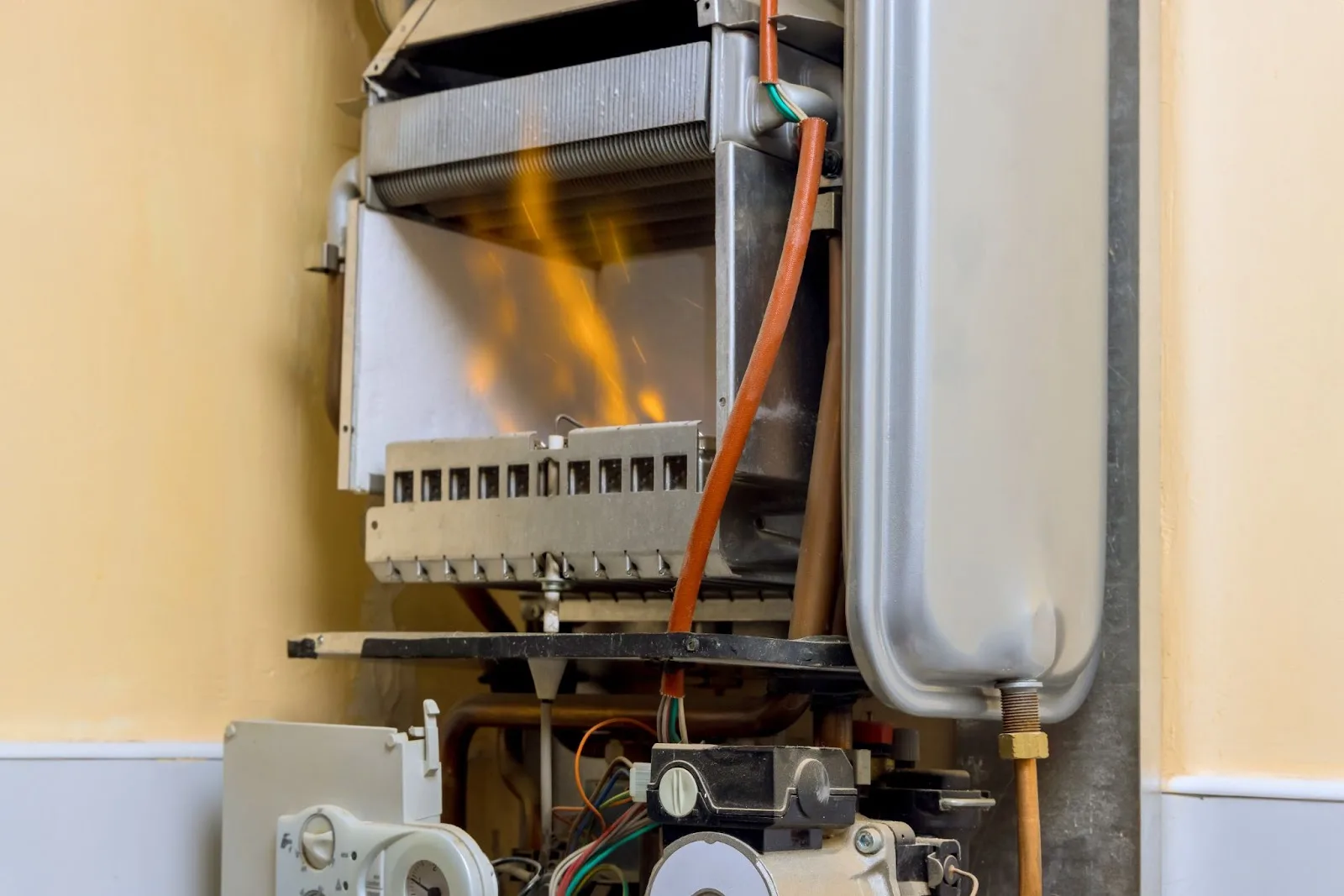
Choosing the Right Furnace Brand For Reliable Home Comfort
Choosing the best furnace isn’t just about the brand—it’s about selecting the right system for your home, comfort needs,
Read the article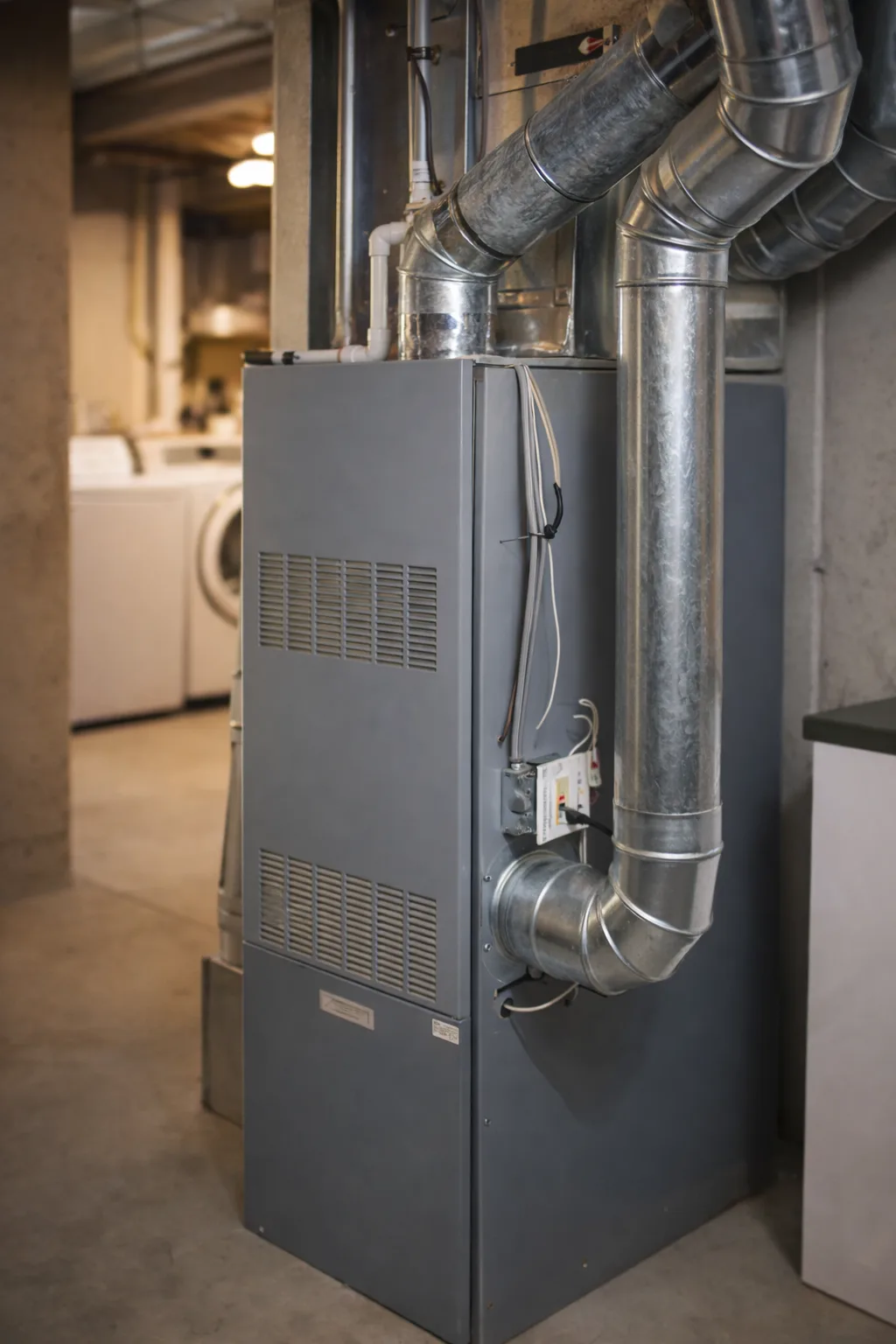
Why Your Furnace Might Be Blowing Cold Air (And What to Do)
If your furnace is running but blowing cold or lukewarm air, it can be frustrating—especially during the colder months
Read the article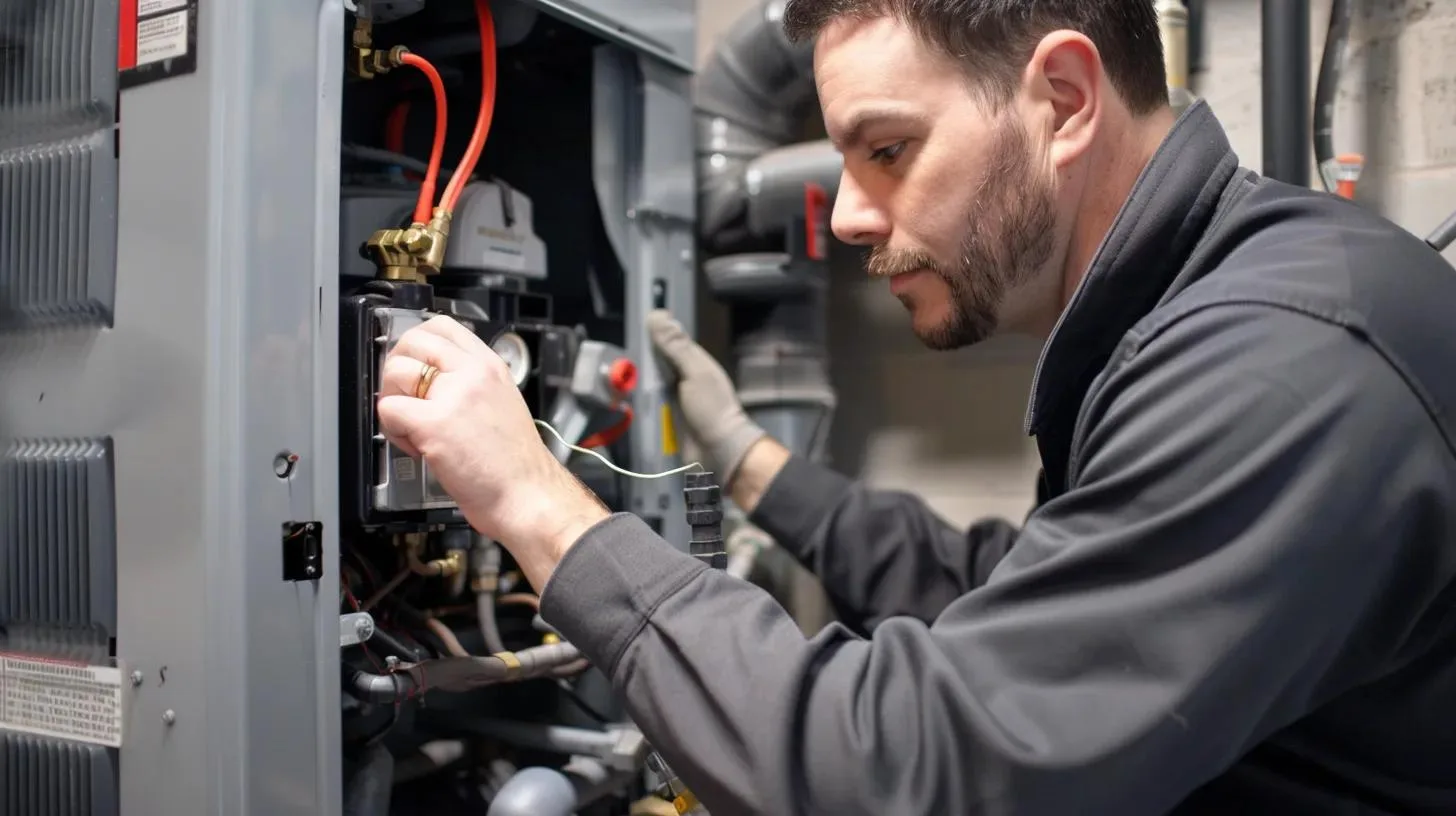
How to Efficiently Prepare Your Furnace for Winter in Berwyn
Winter’s chill is just around the corner, and there’s nothing worse than a furnace breakdown when you need warmth the most.
Read the article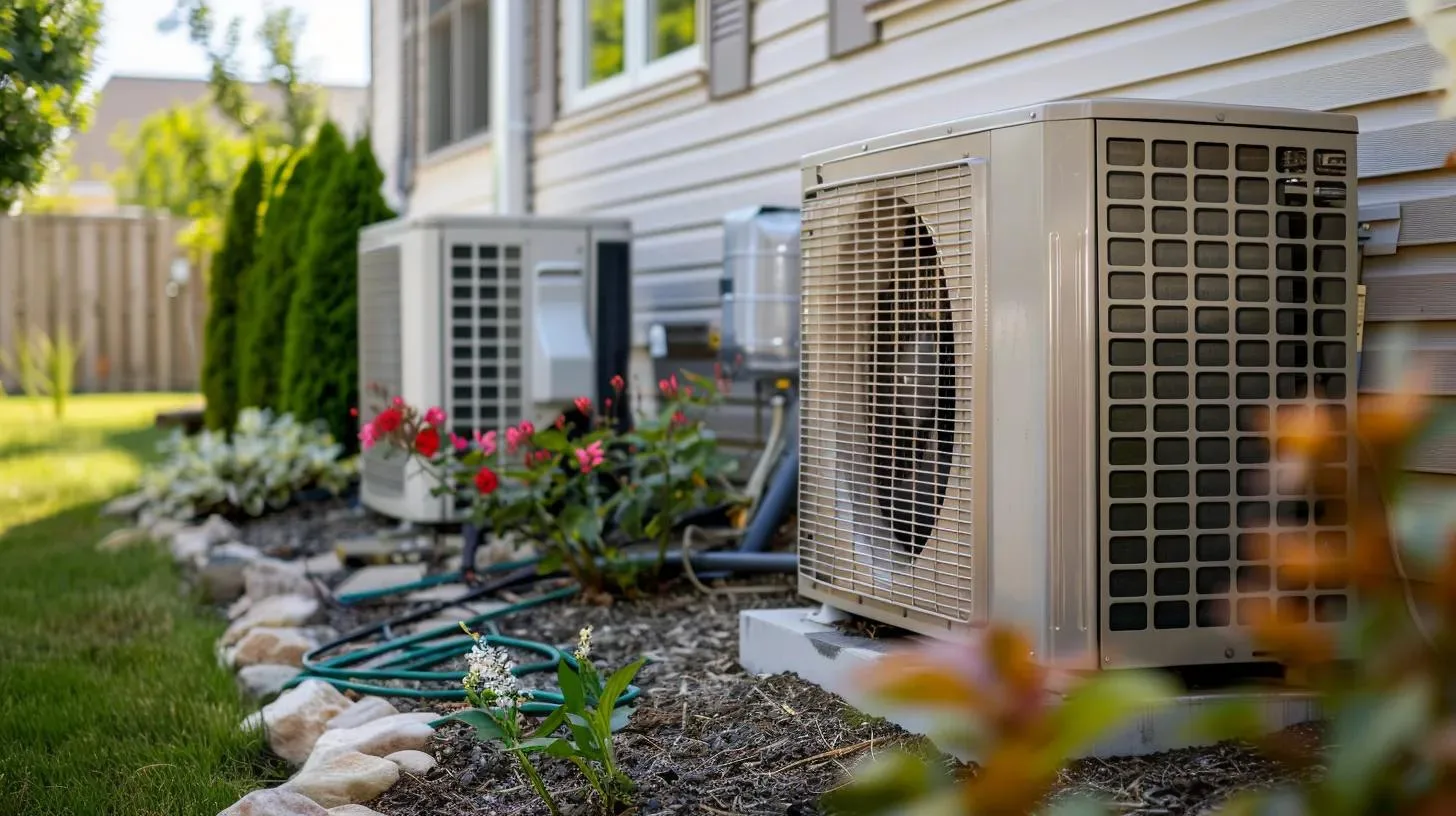
Auxiliary vs Emergency Heat: Which to Choose for Your Home?
When temperatures drop, many homeowners switch their thermostat to auxiliary or emergency heat, thinking their heat pump can’t keep up.
Read the article
Common Furnace Problems in Malvern: Quick Fixes Every Homeowner Should Know
A furnace that blows cold air is usually signaling one of a few key failures: airflow restriction, thermostat configuration, or ignition problems prevent heat from reaching living spaces.
Read the article
Is Your Furnace Ready for Winter? Key Tips
Winter in Malvern isn’t just chilly; it demands peak performance from your home’s furnace.
Read the article

Ready When You Are
Your Home Deserves Someone Who Does the Right Thing When No One’s Looking.
Tell us what’s going on and we’ll give you a clear, upfront estimate and a time that works. One local crew for heating and cooling, every season.
Family-owned in West Chester since 1993 · ★ 4.9 from 900+ Google reviews
Read more about our heating repair in West Chester, PA.