Auxiliary vs Emergency Heat: Which to Choose for Your Home?
 Eric Light
Jan 30, 2026
3 min read
Eric Light
Jan 30, 2026
3 min read
Should You Use Auxiliary or Emergency Heat in Cold Weather? Why Your Heat Pump Should Stay On
When temperatures drop, many homeowners switch their thermostat to auxiliary or emergency heat, thinking their heat pump can’t keep up. In most cases, that’s a costly mistake. Modern heat pumps are designed to operate in cold weather and can still extract usable heat from the outdoor air far more efficiently than backup electric resistance heat. Your thermostat is built to automatically bring on auxiliary heat only when it’s truly needed, and manually forcing it on overrides that efficiency.
The High Cost of Auxiliary and Emergency Heat
Auxiliary and emergency heat are significantly more expensive to operate because they generate heat rather than move it. Running them continuously can dramatically increase electric usage and lead to surprisingly high utility bills. Emergency heat, in particular, is intended for true emergencies, such as when the outdoor unit has failed or is being serviced, not for normal winter conditions.
Impact on Comfort and System Performance
Forcing backup heat can also reduce comfort. Heat pumps are designed to provide steady, even warmth over longer run times, while constant auxiliary heat can cause temperature swings and drier indoor air. If your heat pump struggles to maintain temperature, it’s often a sign of airflow, insulation, or system setup issues, not a reason to disable the heat pump itself. Let the system do what it was designed to do, and you’ll stay more comfortable, protect your equipment, and avoid unnecessary energy costs.
Trust Precision Air Heating and Cooling for Expert Heat Pump Service
If your heat pump struggles to maintain temperature, it’s often a sign of airflow, insulation, or system setup issues, not a reason to disable the heat pump itself. Let the system do what it was designed to do, and you’ll stay more comfortable, protect your equipment, and avoid unnecessary energy costs. For professional heat pump maintenance and service, contact Precision Air Heating and Cooling today.
Owner & President of Precision Air Heating & Cooling, the independent, family-owned company that has served West Chester and Chester County homes since 1993.
Keep Reading
More From the Precision Air Blog
How West Chester’s Fluctuating Weather Affects Your Heat Pump
Spring weather in West Chester often changes quickly between cool mornings, humid afternoons, rain showers, and warmer daytime temperatures.
Read the article
How Furnace Replacement Saves Energy and Lowers Costs in West Chester, PA
Heating costs don’t usually spike overnight. Instead, many homeowners notice a gradual increase in energy bills, longer heating cycles, or rooms that never feel fully comfortable.
Read the article
Is It Worth Repairing My Old Furnace in West Chester, PA, or Should I Replace It?
If your furnace has been giving you trouble lately, you’re probably wondering whether it’s worth repairing or time to consider a replacement.
Read the article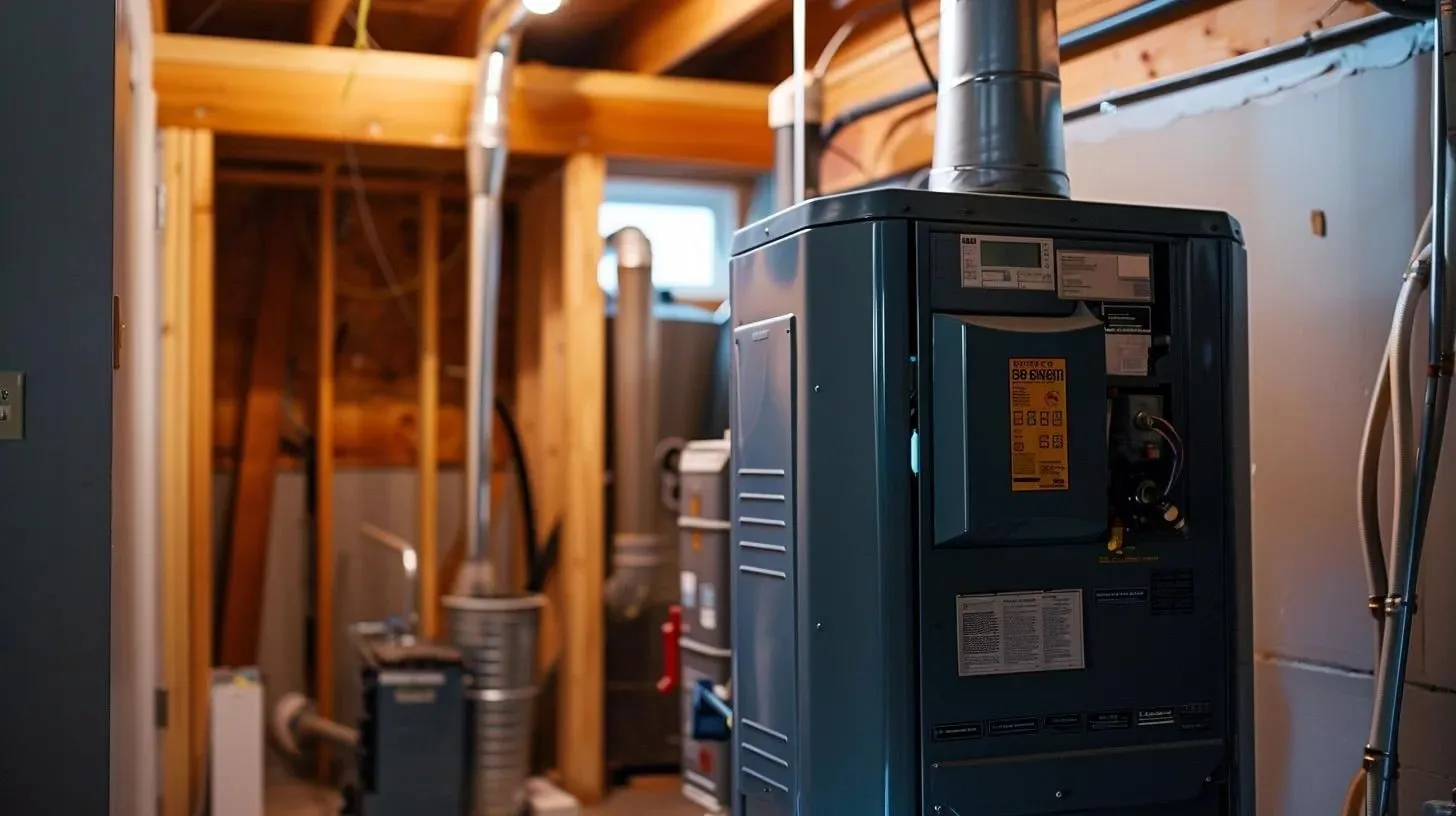
Your Fast Track To Reliable Furnace Repair Service In West Chester, PA
As winter settles in, a malfunctioning furnace is the last thing you want to deal with in West Chester.
Read the article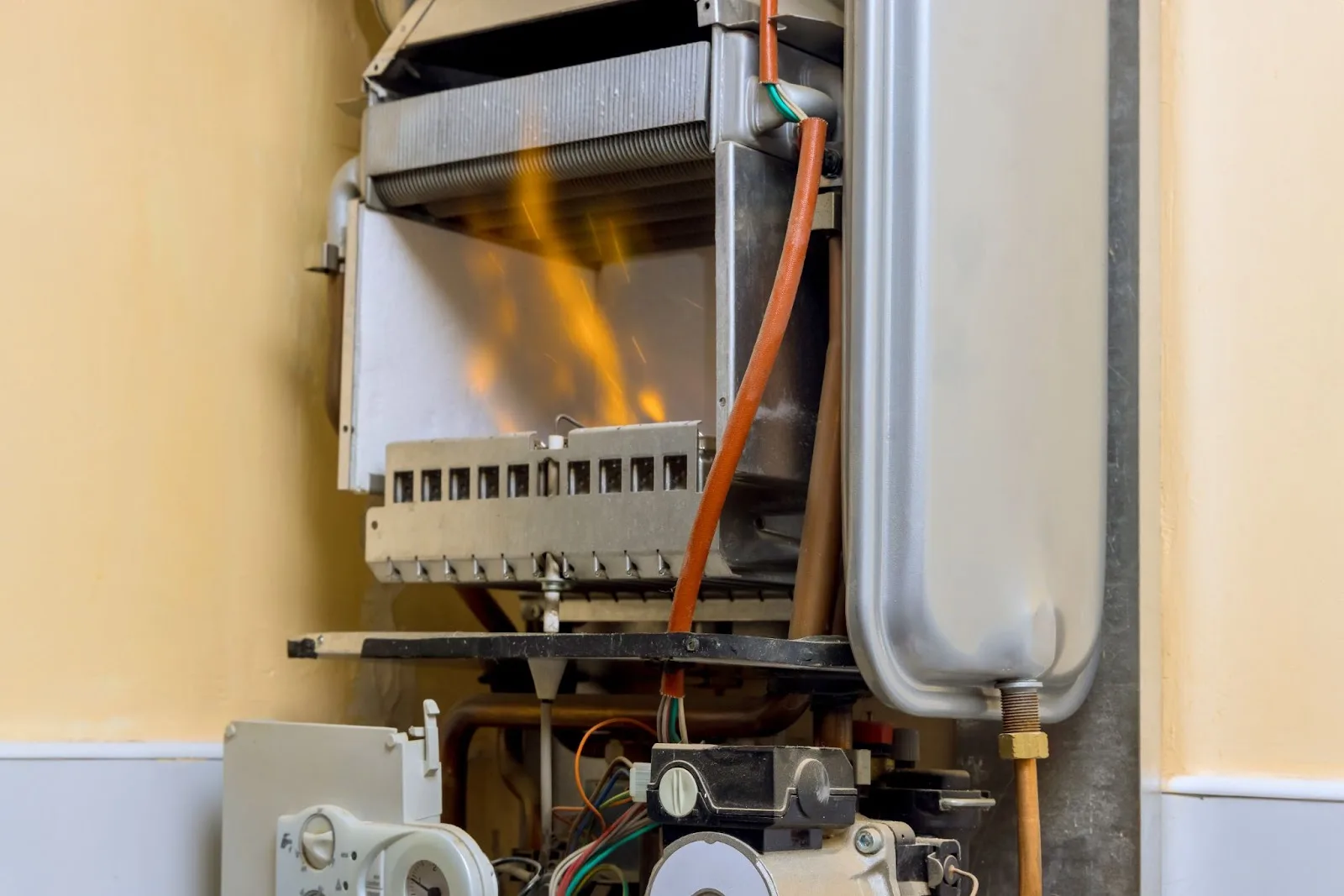
Choosing the Right Furnace Brand For Reliable Home Comfort
Choosing the best furnace isn’t just about the brand—it’s about selecting the right system for your home, comfort needs,
Read the article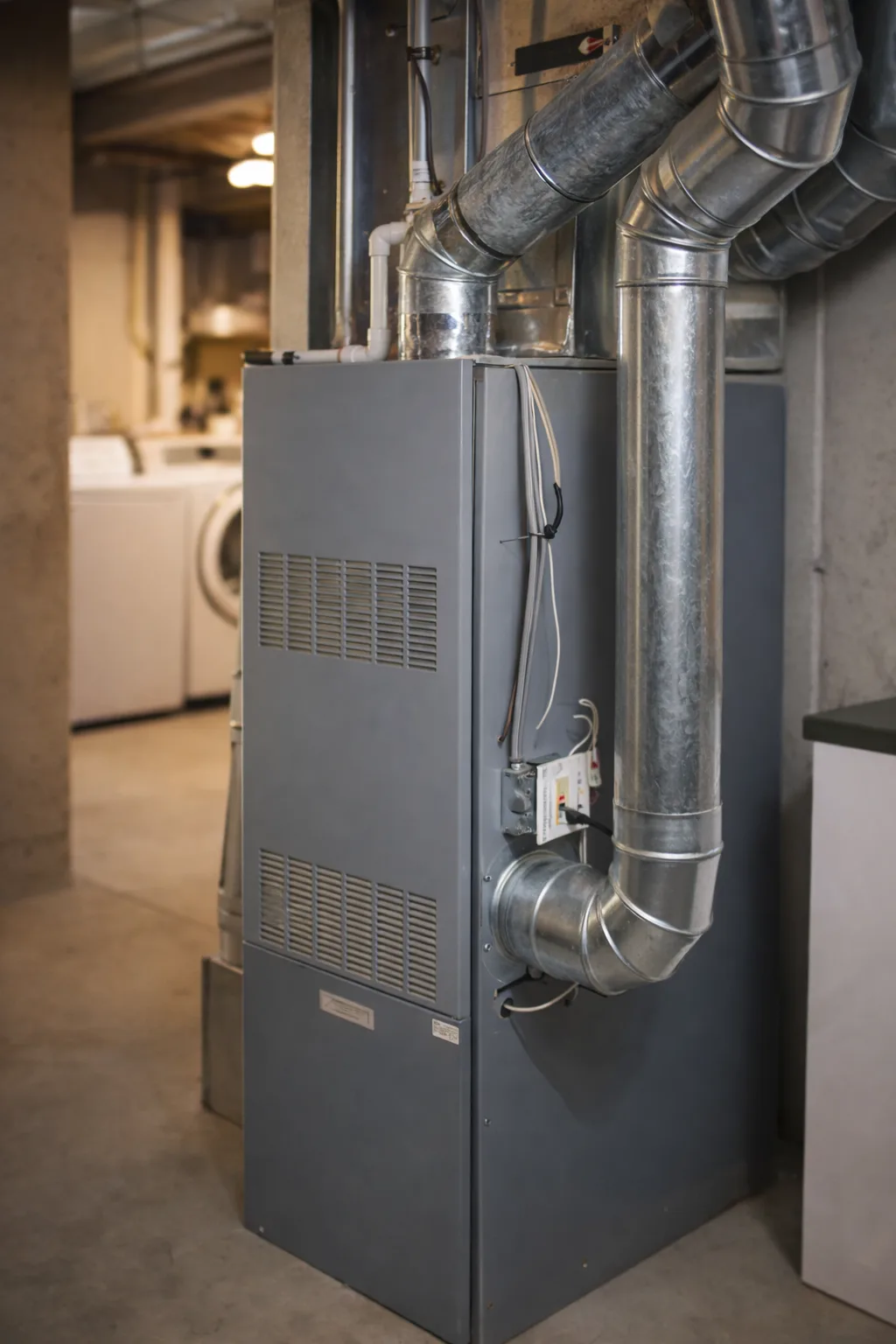
Why Your Furnace Might Be Blowing Cold Air (And What to Do)
If your furnace is running but blowing cold or lukewarm air, it can be frustrating—especially during the colder months
Read the article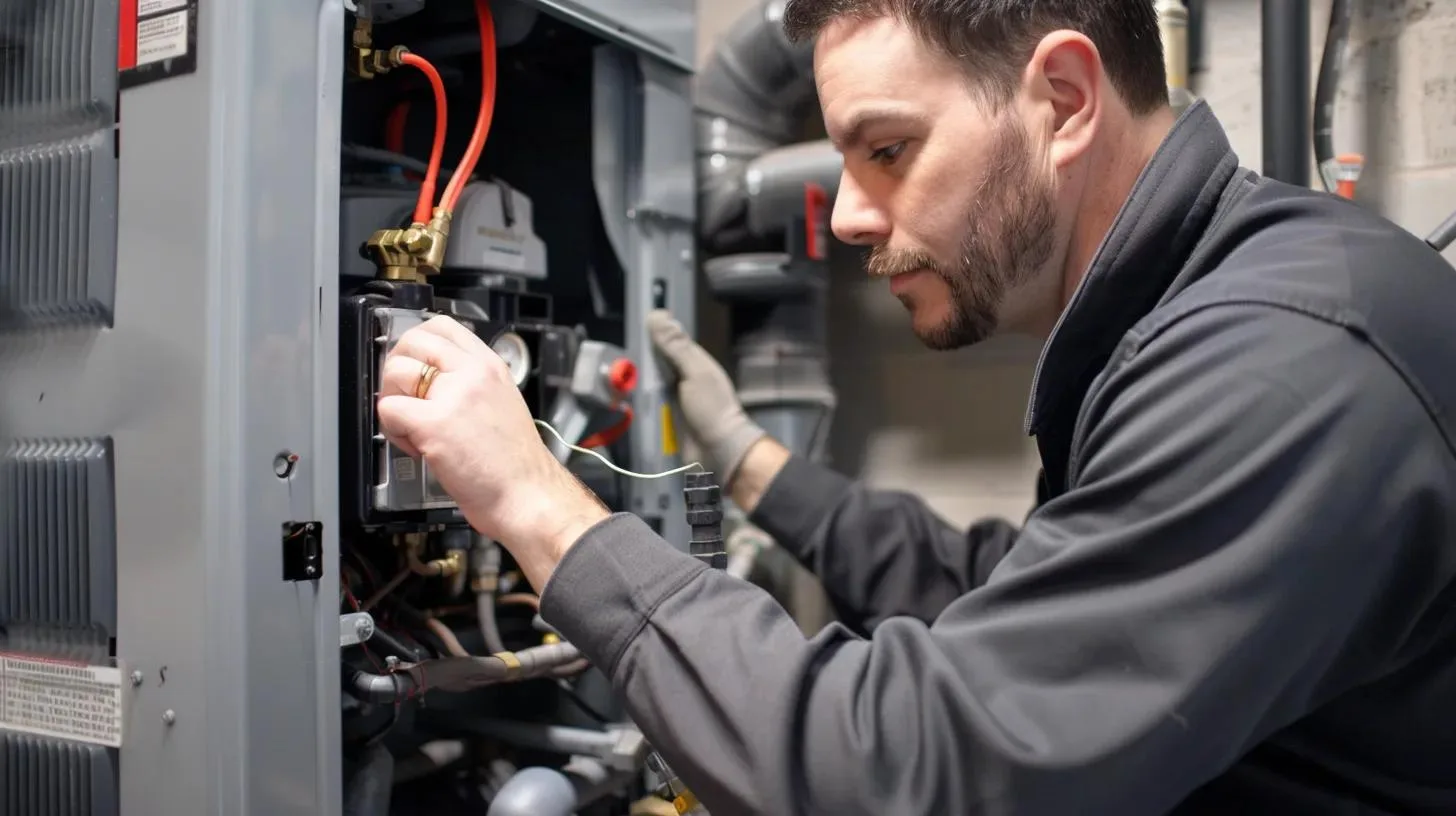
How to Efficiently Prepare Your Furnace for Winter in Berwyn
Winter’s chill is just around the corner, and there’s nothing worse than a furnace breakdown when you need warmth the most.
Read the article
Common Furnace Problems in Malvern: Quick Fixes Every Homeowner Should Know
A furnace that blows cold air is usually signaling one of a few key failures: airflow restriction, thermostat configuration, or ignition problems prevent heat from reaching living spaces.
Read the article
Is Your Furnace Ready for Winter? Key Tips
Winter in Malvern isn’t just chilly; it demands peak performance from your home’s furnace.
Read the article

Ready When You Are
Your Home Deserves Someone Who Does the Right Thing When No One’s Looking.
Tell us what’s going on and we’ll give you a clear, upfront estimate and a time that works. One local crew for heating and cooling, every season.
Family-owned in West Chester since 1993 · ★ 4.9 from 900+ Google reviews
Read more about our heating repair in West Chester, PA.