Common Furnace Problems in Malvern: Quick Fixes Every Homeowner Should Know
 Eric Light
Dec 10, 2025
11 min read
Eric Light
Dec 10, 2025
11 min read
Why Is Your Furnace Blowing Cold Air in Malvern? (And What You Can Do Fast)
A furnace that blows cold air is usually signaling one of a few key failures: airflow restriction, thermostat configuration, or ignition problems prevent heat from reaching living spaces. Reduced airflow from a dirty air filter or blocked return vents can cause the heat exchanger to overheat and the system to shut off the burner, leaving only the blower running. Thermostat mode or wiring errors can stop a heat call, and in gas furnaces, a failed pilot or igniter means no combustion occurs even when the system looks powered.
The short list below offers fast checks homeowners can perform safely and indicates when to stop and call a professional for Malvern furnace repair.
| Problem | Common Cause | Quick Fix / DIY Step |
|---|---|---|
| The furnace is blowing cold air intermittently | Dirty filter restricting airflow | Inspect and replace the filter with the correct size and orientation |
| Continuous cold airflow | Thermostat set to “cool” or incorrect wiring | Verify thermostat mode is “heat” and replace batteries if needed |
| No heating in a gas furnace | Pilot/igniter failure | Check pilot/igniter status; follow safe relight steps if instructed by the manufacturer |
| Blower runs, but burner doesn’t ignite | Tripped safety switch or blocked venting | Check furnace power and vents; do not tamper with sealed combustion parts |
These quick checks narrow the likely causes and often restore heat within minutes when the issue is filter or thermostat-related. If the blower still only circulates cold air after these steps, or if you smell natural gas or notice yellow flames or soot, leave the area and contact emergency professional help immediately. Understanding these initial checks leads naturally into broader troubleshooting when the furnace fails to heat at all.
Need a professional to diagnose the issue? Contact our Malvern heating repair team for prompt service.
What’s Behind That Cold Air? The Real Reasons Your Furnace Stops Heating
A furnace blowing cold air usually comes down to three issues: blocked airflow, thermostat faults, or ignition failure. A clogged filter or closed return vents can overheat the system and shut off the burner, leaving only the blower running. Incorrect thermostat settings or weak batteries disrupt the heat call entirely. And in gas furnaces, a failed pilot light or igniter stops combustion, often showing up as no visible flame or an error code.
Matching your symptoms to the cause helps you zero in on safe DIY checks and avoid unnecessary repairs.
How Can Homeowners Quickly Fix a Furnace Blowing Cold Air?
Malvern homeowners can often resolve cold-air furnace issues with a few simple, safe checks before calling a professional. First, make sure the thermostat is set to heat and the temperature is above room level; replace weak batteries if needed. Next, inspect the furnace filter, a clogged or dirty filter can restrict airflow and stop the furnace from heating properly. Confirm the furnace has power by checking the service switch and the breaker panel. For gas furnaces, safely relight the pilot if it’s out, but if the pilot won’t stay lit or you smell gas, call a Malvern furnace repair technician immediately.
Don’t wait, restore warmth with expert Malvern furnace repair.
How to Troubleshoot When Your Furnace Is Not Heating in Malvern?
When a furnace produces no heat at all, a structured troubleshooting workflow helps isolate power, control, and combustion issues while maintaining homeowner safety. Begin with safety: confirm there is no gas odor and that carbon monoxide detectors are functioning, then move to basic electrical checks such as the breaker and furnace power switch. Next, check the thermostat for correct mode, programming, and intact batteries; an unresponsive thermostat often mimics a full system failure. After these controls, inspect filters and vents for severe blockage, then examine ignition or pilot operation depending on furnace type. This staged approach prevents wasted diagnostic steps and makes it clear when a professional furnace repair call is required in Malvern.
- Verify safety and power before touching controls.
- Check thermostat settings and replace batteries if needed.
- Inspect filter and vents to ensure unobstructed airflow.
- Confirm pilot/igniter operation and listen for ignition sequences.
Following this ordered checklist often reveals the problem quickly and avoids unnecessary service calls, but persistent failures or safety-related symptoms require immediate professional attention. Understanding the common sequence of faults reduces diagnostic time and helps you describe the issue clearly when requesting repair services.
What Are the Common Reasons for a Furnace Not Turning On?
Furnaces that won’t turn on often fail due to electrical issues, thermostat problems, or safety interlocks. Check for a tripped breaker or switched-off furnace first. Thermostat faults, like incorrect settings, wiring issues, or dead batteries, can make the furnace appear dead. Safety switches may also trip if the system overheats or detects unsafe combustion. Identifying these causes helps determine whether a simple fix is possible or if you need professional furnace repair.
Don’t wait in the cold, get professional Malvern furnace repair now.
What Simple Checks Can Homeowners Perform Before Calling a Technician?
Homeowners can complete a prioritized 15-minute checklist that resolves a substantial share of “no heat” calls and reduces time to repair when a technician is required.
- Walk to the furnace and verify the power switch is on, and the breaker hasn’t tripped; reset if necessary.
- Inspect and replace the furnace filter if it is dirty and check that supply and return vents are open and unobstructed.
- Reset the thermostat and replace batteries if its display is blank or unresponsive, then raise the setpoint and watch for furnace activity for several minutes.
What Are the Signs and Solutions for Pilot Light Problems in Gas Furnaces?
Pilot light or ignition problems in gas furnaces present obvious visual and olfactory clues but also pose safety risks that must be handled cautiously. A pilot that flickers, burns yellow, produces soot, or goes out repeatedly indicates combustion instability or component wear, such as a failing thermocouple or clogged burner orifice. A persistent gas odor or inability to relight the pilot requires evacuation and professional intervention. Safe relighting procedures exist for many older models, but modern furnaces with electronic ignition should not be manually relit; instead, follow manufacturer guidance and prioritize calling a qualified technician when in doubt. Recognizing these signs and following safe steps prevents carbon monoxide risk and further component damage.
| Symptom | Likely Cause | Immediate Home Action |
|---|---|---|
| Pilot light goes out or won’t stay lit | Faulty thermocouple or gas valve | Do not attempt repeated relights; follow the manufacturer’s steps once, then call a technician if it fails |
| Flickering or yellow flame | Dirty pilot assembly or poor combustion | Turn off and ventilate the area; avoid relighting if soot or gas odor is present |
| Soot or yellowing around the burner | Incomplete combustion or blocked venting | Evacuate on a strong odor and call a professional service |
How to Identify Pilot Light Issues Like Flickering or Going Out?
Visual signs like a weak, flickering, or yellow pilot flame indicate inefficient combustion, while soot or black deposits near the burner suggest incomplete burning of fuel. A reliably lit pilot produces a steady blue flame and a consistent heat signal; variations in flame color or stability signal clogged orifices, air mix problems, or failing thermocouple sensors. Odors of gas accompanying pilot instability are an immediate red flag. Ventilate the area, avoid using electrical switches, and evacuate if the odor is strong. Photographing the flame state and noting any recent maintenance helps a technician diagnose whether a repair or component replacement is needed.
What Are the Safe Steps to Relight a Pilot Light?
When manufacturer instructions permit a homeowner to relight, follow a safety-first, step-by-step procedure and stop if anything seems off.
- Turn off the gas control valve and wait the recommended period for accumulated gas to disperse before attempting to relight.
- Follow the furnace manual’s exact lighting sequence, usually holding a control in the “pilot” position and using an adequate igniter; never use matches if instructions advise otherwise.
- Observe the flame for stability and color; if the pilot will not stay lit or there is any gas smell, turn off the gas and call a licensed technician immediately.
These steps limit risk and ensure you do not inadvertently create a hazardous situation.
Don’t risk gas hazards, call our Malvern furnace experts to inspect and fix your system safely.
How to Recognize and Fix Furnace Short Cycling in Malvern?
Short cycling, frequent on/off cycles that never allow the furnace to run through a full heat cycle, reduces efficiency and accelerates wear on components, and it usually stems from airflow, thermostat placement, or system sizing issues. A short-cycling furnace may run for only a few minutes before shutting off, often because the system overheats from restricted airflow or because a thermostat senses the setpoint too close to the appliance. Oversized systems also reach setpoint too quickly and cycle, as do thermostats placed near heat sources. Simple homeowner steps can reduce cycling immediately, and a professional diagnostic can address root causes like incorrect sizing or failing components.
- Confirm filter condition and replace if dirty.
- Ensure vents and returns are open and unobstructed.
- Evaluate thermostat placement, avoid direct sunlight or nearby heat sources.
Addressing short cycling promptly preserves the blower and heat exchanger and helps avoid higher energy bills and premature system failure. If cycling persists after simple fixes, schedule a diagnostic to evaluate airflow, control settings, and overall system sizing for a lasting solution.
What Causes Furnace Short Cycling?
Short cycling happens when your furnace turns on and off too quickly due to issues like restricted airflow, a misreading thermostat, safety shutoffs, or an oversized system. Dirty filters, closed vents, poor thermostat placement, or an oversized unit can trigger rapid overheating and early shutdowns. Fixing these root causes helps restore proper cycles, comfort, and reliability.
What Quick Fixes Can Stop Furnace Short Cycling?
Immediate homeowner actions can often stabilize cycling while longer-term fixes are scheduled with a technician to correct underlying issues.
- Replace or clean the furnace filter and confirm airflow through all registers; improving airflow commonly resolves limit trips.
- Relocate or shield a thermostat that sits near a lamp, sunny window, or heat-emitting appliance to avoid false readings.
- Ensure vents are open and unobstructed and that attic or basement returns are unobstructed to balance air distribution.
- If cycling continues after these steps, arrange for professional evaluation of system sizing, control calibration, and heat exchanger integrity for a lasting solution.
What Are the Symptoms of a Dirty Furnace Filter and How to Replace It?
A dirty furnace filter reduces airflow, increases energy consumption, and contributes to short cycling and uneven heating. Recognizing the symptoms allows quick remediation. Typical signs include reduced airflow from supply vents, rising heating bills, the furnace running longer than normal, and visible dust or discoloration on the filter surface. Identifying the correct filter size and MERV rating for your home helps preserve indoor air quality while protecting the blower and heat exchanger. The numbered replacement steps below outline a safe, efficient process most homeowners can complete in minutes, and following them prevents many common furnace problems in Malvern.
| Issue | Effect on Performance | Homeowner Action |
|---|---|---|
| Reduced airflow | Lower heat delivery and longer runtime | Replace filter with the correct size and orientation monthly or per manufacturer guidance |
| Increased energy use | Higher utility bills | Upgrade to an appropriately rated filter and maintain a regular schedule |
| Dusty registers | Poor indoor air quality | Consider whole-home filtration or supplemental IAQ devices |
Dirty filter fixes not enough? Trust our Malvern heating experts to repair or replace your furnace efficiently.
How Does a Dirty Filter Affect Furnace Performance?
A dirty filter acts like a choke point in the furnace’s breathing system, reducing airflow through the blower, decreasing heat transfer at the heat exchanger, and forcing longer run times to reach the set temperature. Restricted airflow raises the risk of high-limit trips that shut down combustion, causing the blower to continue and circulate cold air while the burner remains off. The added strain on the blower motor increases energy consumption and accelerates mechanical wear, sometimes leading to costly repairs. Recognizing reduced vent airflow, uneven room temperatures, and an increased frequency of cycling points directly to filter problems and justifies prompt replacement.
What Is the Step-by-Step Process to Replace a Furnace Filter?
Replacing a furnace filter is a straightforward maintenance task that protects efficiency and indoor air quality when done correctly and on schedule.
- Turn off furnace power and locate the filter slot.
- Remove the old filter and confirm the replacement size.
- Install a new filter with the correct airflow direction and record the date.
Regular cadence and correct orientation are simple practices that prevent many performance and safety issues and contribute to longer equipment life.
When Should Malvern Homeowners Call for Furnace Repair?
Call a professional as soon as your furnace shows warning signs involving safety, gas, or complex electrical issues. Key red flags include:
- Natural gas odor or persistent carbon monoxide alarm
- Burning or electrical smells
- Visible heat-exchanger cracks
- Persistent short cycling or unusual noises
Licensed Malvern furnace technicians can safely handle combustion analysis, heat-exchanger inspections, gas-valve repairs, and advanced diagnostics. Early repair protects your safety, preserves warranties, and often prevents costly full-system replacements.
Regular maintenance is crucial: schedule annual tune-ups before the heating season and check filters monthly during heavy use. Prompt attention to small issues keeps your furnace efficient and reliable throughout Malvern’s winters.
Notice warning signs? Contact Precision Air Heating & Cooling in Malvern for fast, reliable furnace repair today.
Stay Warm This Winter with Precision Air Heating & Cooling in Malvern
Malvern homeowners can beat cold nights, high energy bills, and unexpected breakdowns by acting early on furnace issues. Simple DIY checks like thermostat settings and filter inspection help, but knowing when to call a licensed professional makes all the difference. Stay proactive to ensure safety, comfort, and long-term savings.
From quick fixes to expert repairs, trust Precision Air Heating & Cooling to handle your Malvern furnace needs. Book service now.
Owner & President of Precision Air Heating & Cooling, the independent, family-owned company that has served West Chester and Chester County homes since 1993.
Keep Reading
More From the Precision Air Blog
How West Chester’s Fluctuating Weather Affects Your Heat Pump
Spring weather in West Chester often changes quickly between cool mornings, humid afternoons, rain showers, and warmer daytime temperatures.
Read the article
How Furnace Replacement Saves Energy and Lowers Costs in West Chester, PA
Heating costs don’t usually spike overnight. Instead, many homeowners notice a gradual increase in energy bills, longer heating cycles, or rooms that never feel fully comfortable.
Read the article
Is It Worth Repairing My Old Furnace in West Chester, PA, or Should I Replace It?
If your furnace has been giving you trouble lately, you’re probably wondering whether it’s worth repairing or time to consider a replacement.
Read the article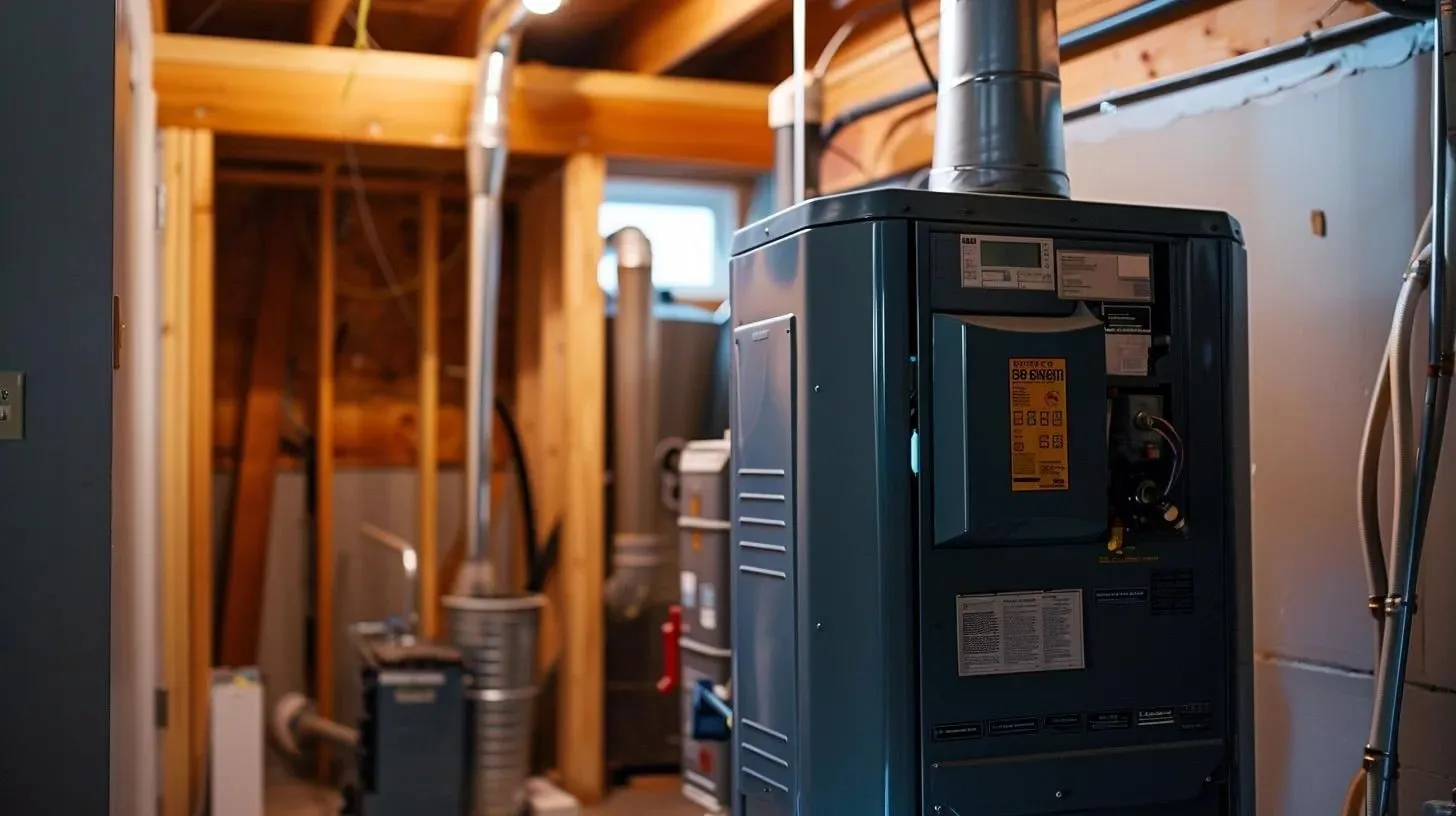
Your Fast Track To Reliable Furnace Repair Service In West Chester, PA
As winter settles in, a malfunctioning furnace is the last thing you want to deal with in West Chester.
Read the article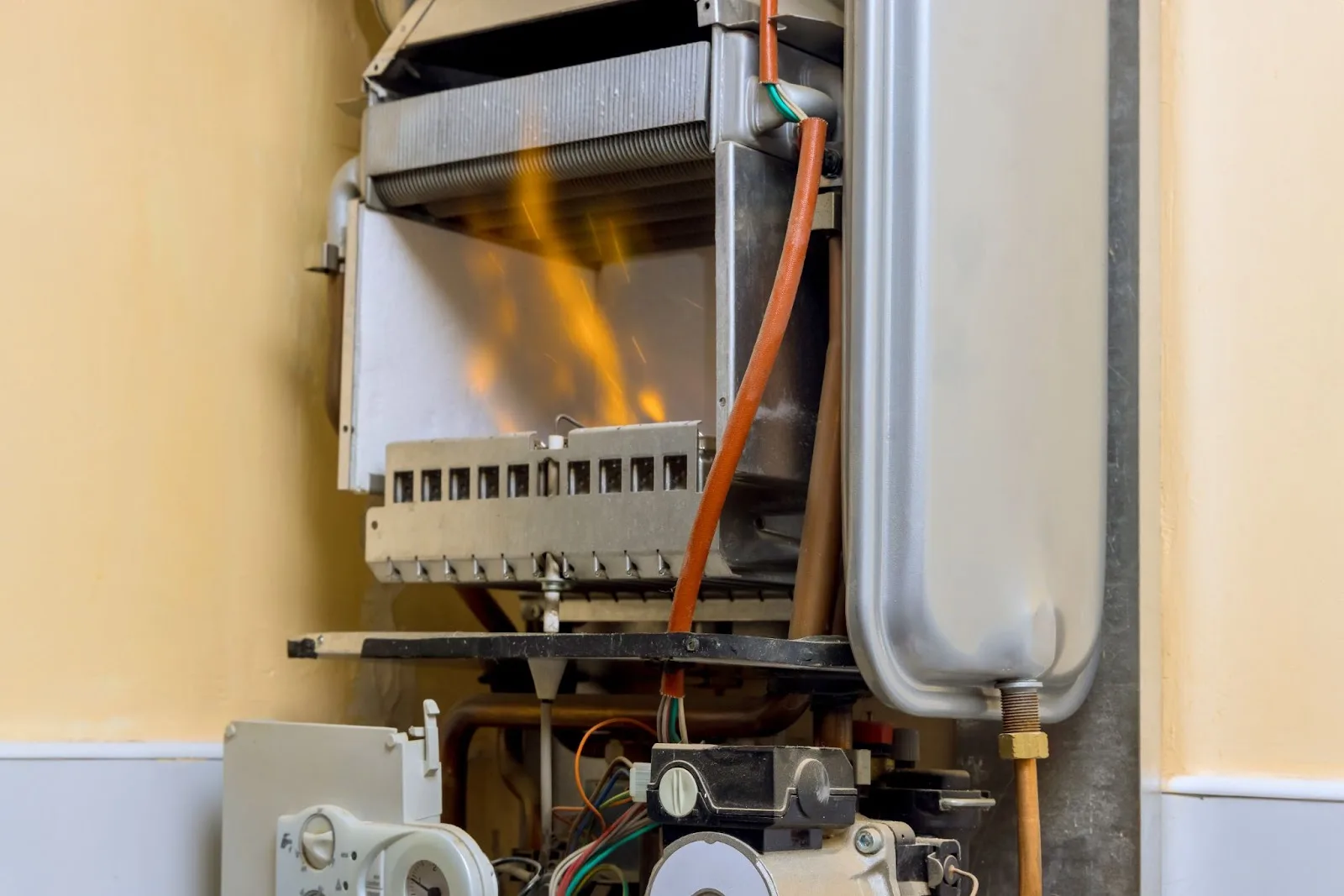
Choosing the Right Furnace Brand For Reliable Home Comfort
Choosing the best furnace isn’t just about the brand—it’s about selecting the right system for your home, comfort needs,
Read the article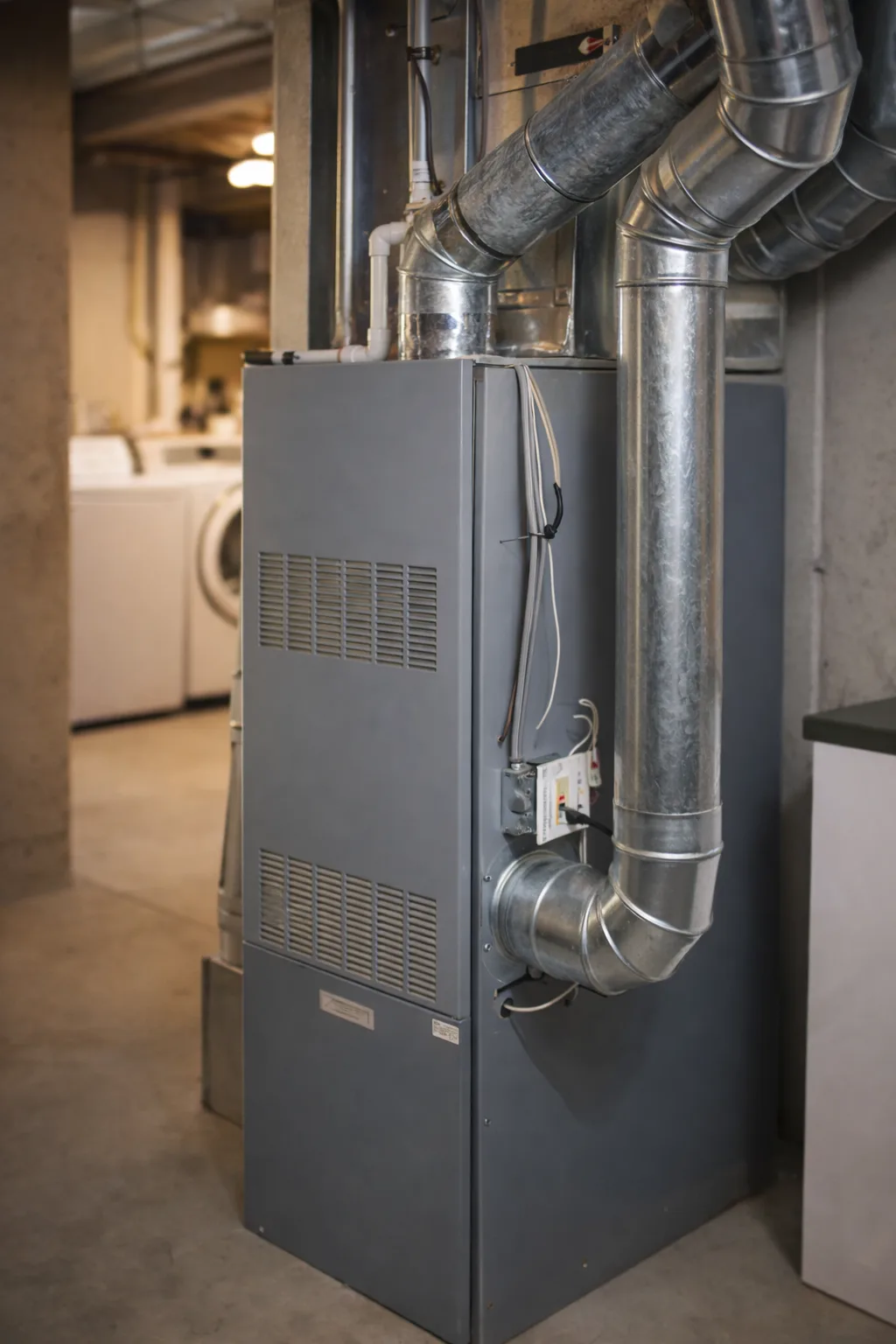
Why Your Furnace Might Be Blowing Cold Air (And What to Do)
If your furnace is running but blowing cold or lukewarm air, it can be frustrating—especially during the colder months
Read the article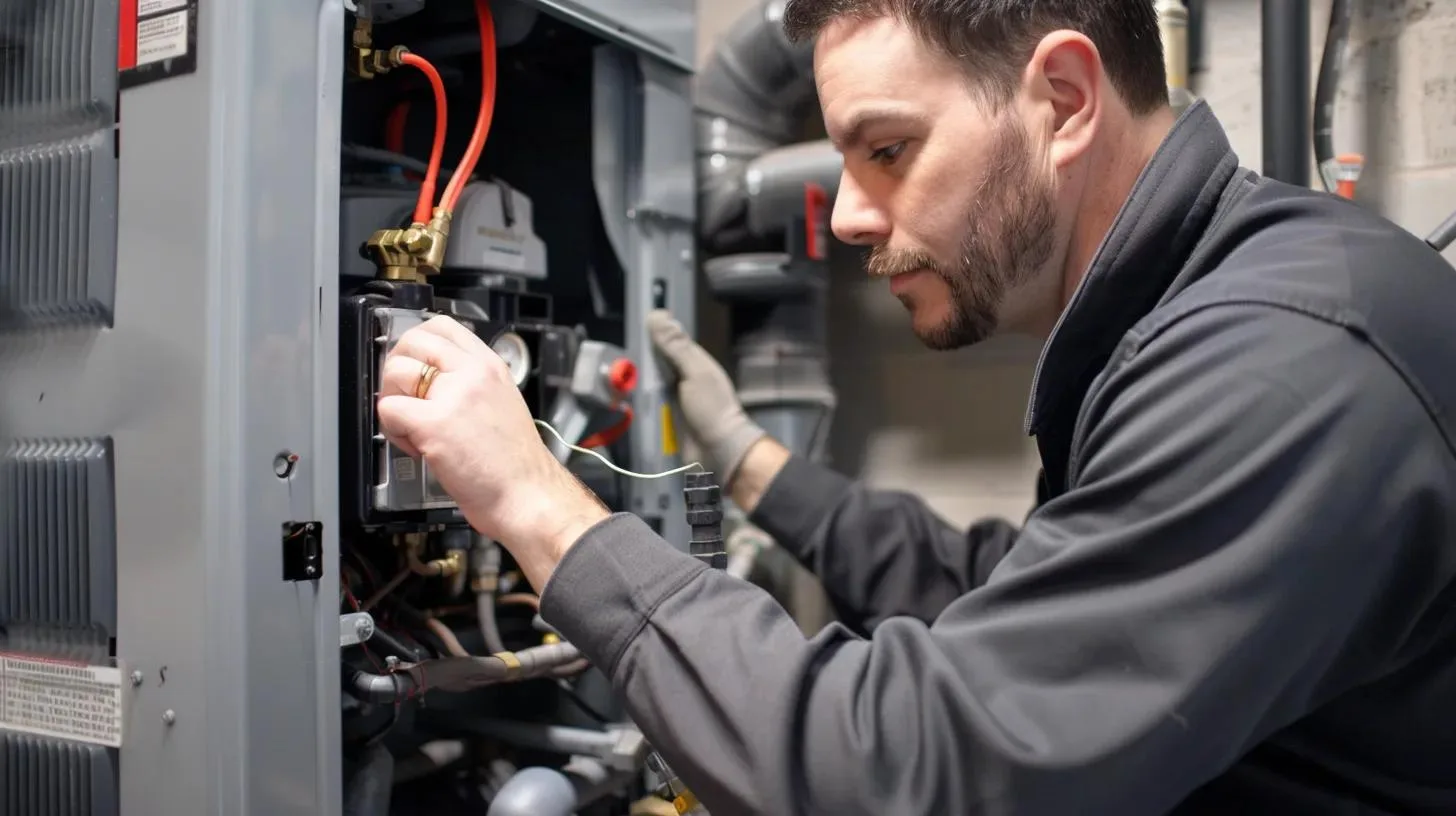
How to Efficiently Prepare Your Furnace for Winter in Berwyn
Winter’s chill is just around the corner, and there’s nothing worse than a furnace breakdown when you need warmth the most.
Read the article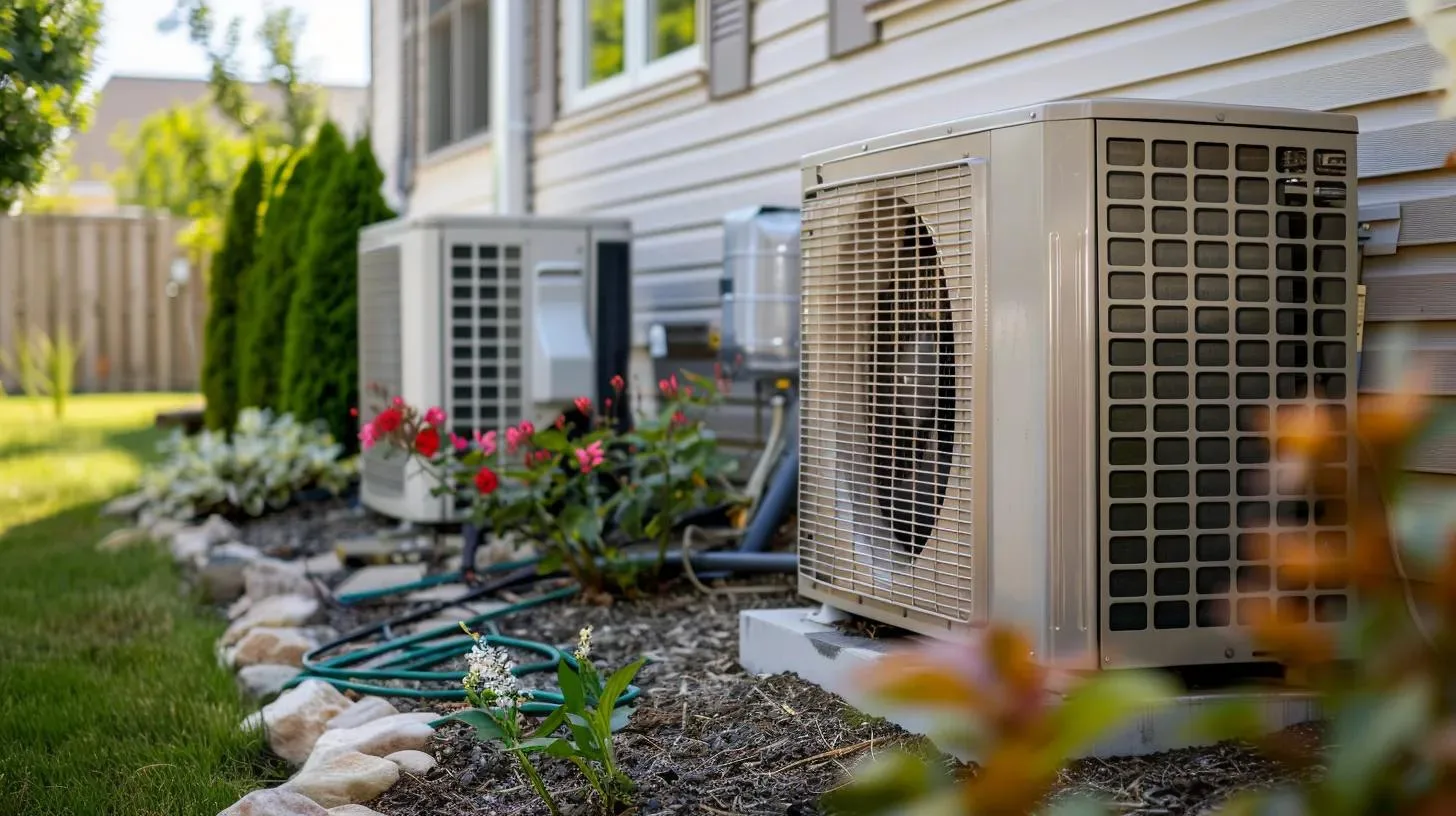
Auxiliary vs Emergency Heat: Which to Choose for Your Home?
When temperatures drop, many homeowners switch their thermostat to auxiliary or emergency heat, thinking their heat pump can’t keep up.
Read the article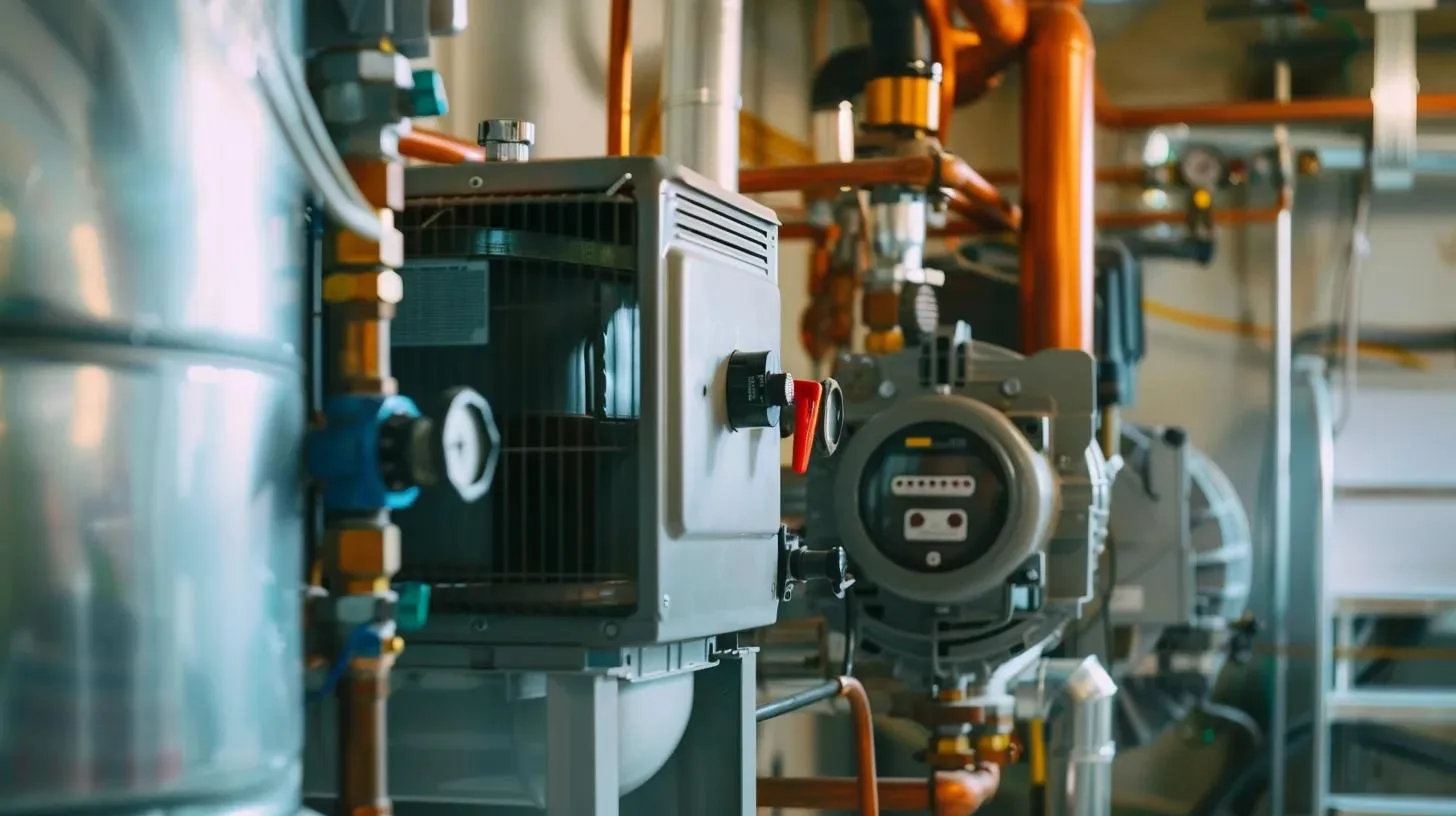
Is Your Furnace Ready for Winter? Key Tips
Winter in Malvern isn’t just chilly; it demands peak performance from your home’s furnace.
Read the article

Ready When You Are
Your Home Deserves Someone Who Does the Right Thing When No One’s Looking.
Tell us what’s going on and we’ll give you a clear, upfront estimate and a time that works. One local crew for heating and cooling, every season.
Family-owned in West Chester since 1993 · ★ 4.9 from 900+ Google reviews
Read more about our heating repair in West Chester, PA.