What Is An Energy Recovery Ventilator (ERV) and Why Your Home Needs One
 Eric Light
March 22, 2025
3 min read
Eric Light
March 22, 2025
3 min read
Understanding An Energy Recovery Ventilator
An Energy Recovery Ventilator (ERV) is like the lungs of your home or office, breathing in fresh, clean air while expelling stale, polluted air. Think of it like your car’s air conditioning system—when you recirculate the air, it gets stuffy and uncomfortable, but when you crack the windows just a little, it feels fresher.
The difference with an ERV is that it exchanges air while also recovering energy, so you don’t lose the heating or cooling you’ve paid for.
Why You Need An ERV Installation In Your Home
Modern homes are built tighter than ever to save on energy, like a sealed thermos that keeps your drink hot or cold. This efficiency, while great for your wallet, can trap pollutants inside—like cooking fumes, cleaning chemicals, pet dander, and even carbon dioxide from our breathing.
Over time, these build-ups can lead to poor indoor air quality, sometimes referred to as "sick home syndrome." This can cause symptoms like headaches, fatigue, and even respiratory issues, much like the stale air you’d notice in a stuffy, closed car.
However, an ERV fixes this by pulling in fresh outdoor air while pushing out stale indoor air. At the same time, it transfers heat or coolness from the outgoing air to the incoming air, so your HVAC system doesn’t have to work overtime. This means your air stays fresh and your energy bills stay low.
Benefits Of An ERV Installation
- Cleaner Indoor Air – Fresh outdoor air replaces stale, polluted indoor air, removing allergens, pet dander, VOCs, and other airborne irritants.
- Better for Families and Kids – Especially helpful in homes with children or individuals with asthma and allergies, ERVs reduce irritants and maintain balanced humidity.
- Lower Utility Bills – By recovering heat or coolness from outgoing air, your HVAC system doesn’t have to work as hard—saving you energy and money.
- Humidity Control – ERVs help manage excess humidity, reducing the risk of mold growth and keeping your air more comfortable.
- Reduced "Sick Home Syndrome" Symptoms – Fewer headaches, fatigue, and respiratory issues, thanks to improved air circulation and filtration.
- Increased HVAC Efficiency and Lifespan – You’ll get better performance and fewer repairs with less strain on your HVAC system.
Let Precision Air Help You Breathe Better Year-Round
Having an ERV is like having a smart ventilation system that keeps your home healthy and comfortable while saving energy. It’s an upgrade you’ll feel every day—like cracking the windows on a spring day without letting your heating or cooling escape.
Ready to breathe easier?
Precision Air Heating & Cooling is here to help with expert ERV installation and indoor air quality solutions. We’ll guide you in choosing the right system to keep your home fresh, energy-efficient, and comfortable all year long.
Owner & President of Precision Air Heating & Cooling, the independent, family-owned company that has served West Chester and Chester County homes since 1993.
Keep Reading
More From the Precision Air Blog

Why an Indoor Air Quality Test Is Essential for Newer Homes
Do you live in a newer home? Always sneezing, feeling tired, or just not healthy when you are home? It’s time for you to get an indoor air quality test!
Read the article
How Local Weather in West Chester Puts Extra Stress on Your AC
If your air conditioner feels like it never quite catches up on a sticky August afternoon in West Chester, you are not imagining it.
Read the article
The Hidden Problems of Aging Water Heaters, And How Tankless Systems Fix Them
Most people never think about their water heater until the morning a shower turns cold or a damp spot
Read the article
How West Chester’s Fluctuating Weather Affects Your Heat Pump
Spring weather in West Chester often changes quickly between cool mornings, humid afternoons, rain showers, and warmer daytime temperatures.
Read the article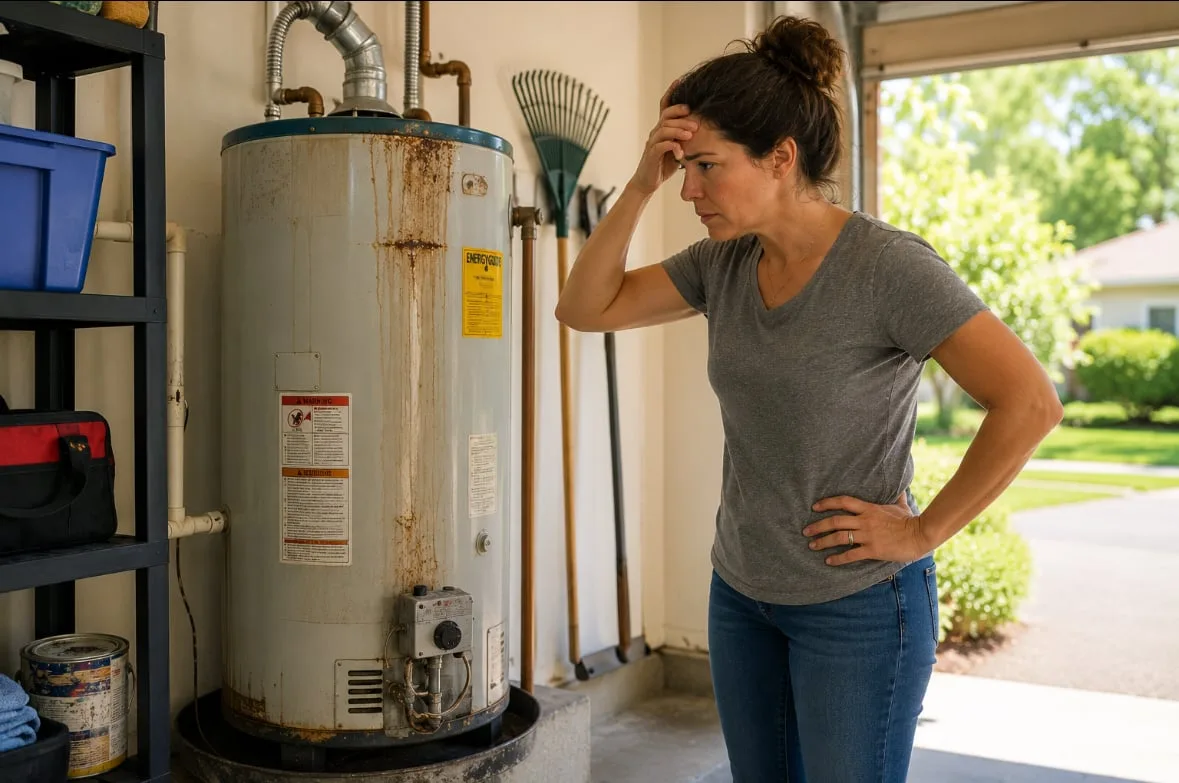
Why Your Water Heater Might Struggle During West Chester’s Warmer Summer Months
In West Chester, summer humidity and increased household water usage can place unexpected strain on residential water heaters.
Read the article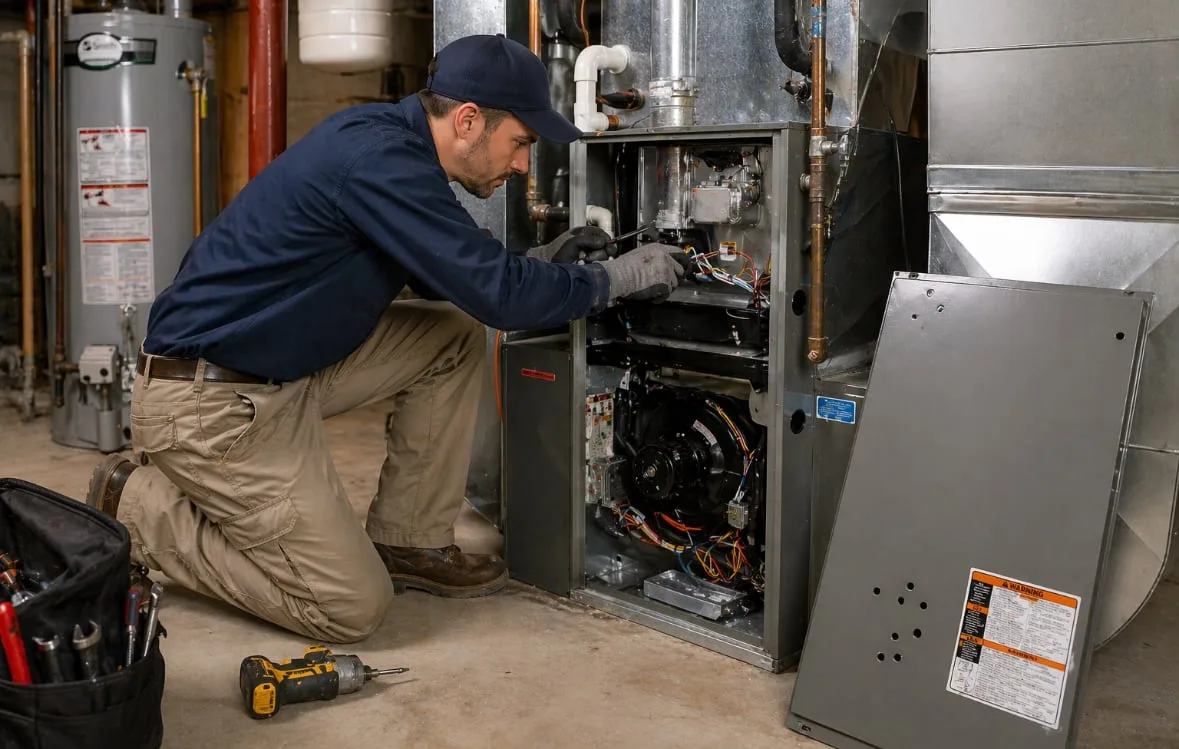
How Furnace Replacement Saves Energy and Lowers Costs in West Chester, PA
Heating costs don’t usually spike overnight. Instead, many homeowners notice a gradual increase in energy bills, longer heating cycles, or rooms that never feel fully comfortable.
Read the article
How to Know If Your West Chester, PA, Water Heater Needs Repair: 5 Common Signs
Hot water is something most homeowners don’t think about—until it becomes unreliable. Whether it’s a sudden drop in temperature during a shower
Read the article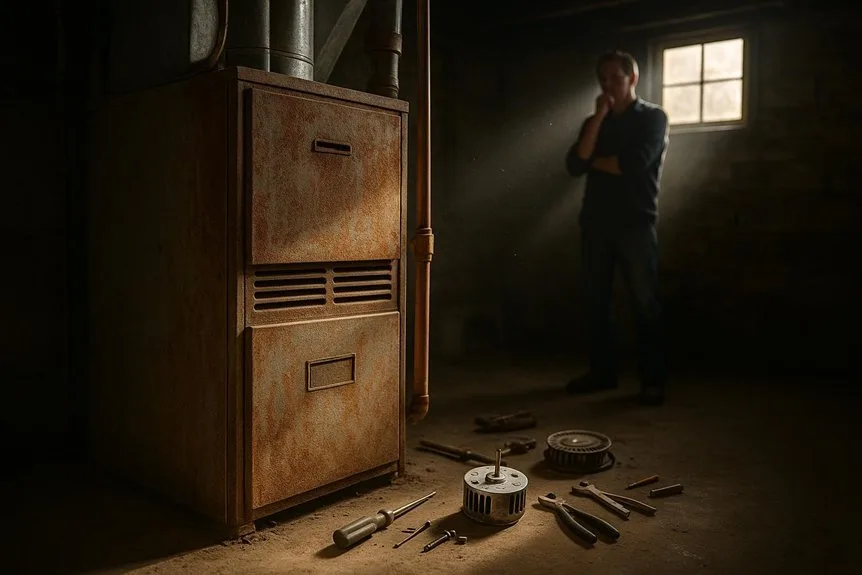
Is It Worth Repairing My Old Furnace in West Chester, PA, or Should I Replace It?
If your furnace has been giving you trouble lately, you’re probably wondering whether it’s worth repairing or time to consider a replacement.
Read the article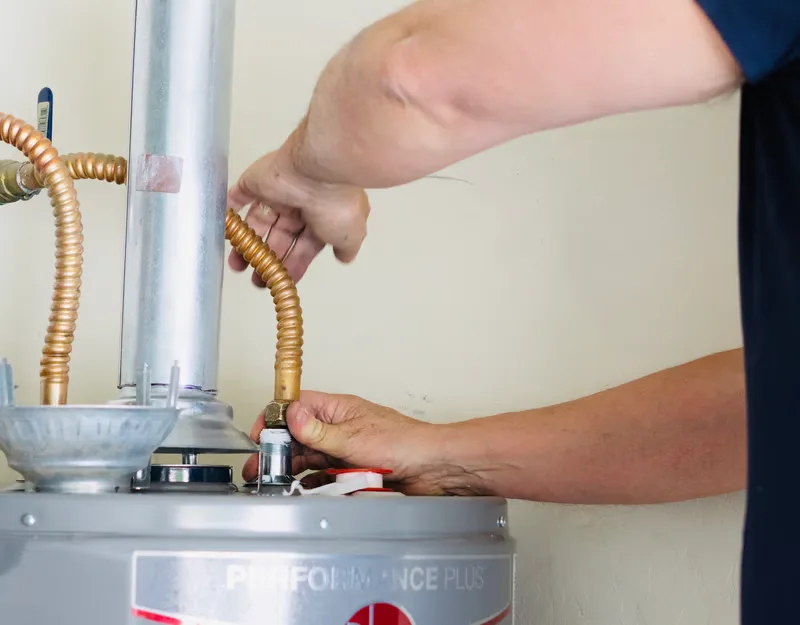
Why Is My West Chester Water Heater Making Strange Noises?
If your water heater has started making popping, rumbling, or hissing sounds, it’s not something to ignore, especially in a West Chester home
Read the article

Ready When You Are
Your Home Deserves Someone Who Does the Right Thing When No One’s Looking.
Tell us what’s going on and we’ll give you a clear, upfront estimate and a time that works. One local crew for heating and cooling, every season.
Family-owned in West Chester since 1993 · ★ 4.9 from 850+ Google reviews
Read more about our indoor air quality services in West Chester, PA.