What Is a Wi-Fi Thermostat? Benefits for Comfort, Control & Energy Savings
 Eric Light
Apr 15, 2025
3 min read
Eric Light
Apr 15, 2025
3 min read
Did you too, like many others, assume that Wi-Fi thermostats are just useful when you’re coming home from vacation?
Well, a Wi-Fi thermostat is so much more than that. In this blog, we’ll break down exactly how it works, the surprising ways it can improve your comfort, and why it’s one of the smartest HVAC upgrades you can make for your home.
Understanding A Wi-Fi Thermostat
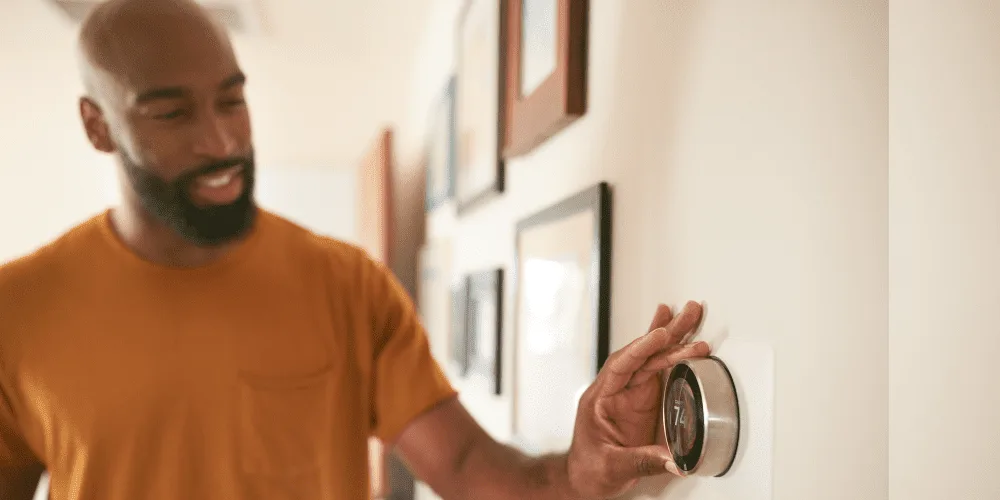
A Wi-Fi thermostat is more than just a way to adjust the temperature from your phone—it’s like upgrading from a basic flip phone to a smartphone. These smart thermostats are designed to make your life easier, more comfortable, and more efficient.
For instance, they don’t just control your home’s temperature; they connect to the internet to access outside weather conditions and future forecasts. Think about how your smartphone gives you live traffic updates or weather alerts—your thermostat can use that same technology to adjust your system for maximum comfort and energy savings.
Key Benefits of a Wi-Fi Thermostat
- Remote temperature control from anywhere
- Automatic adjustments based on weather or occupancy
- Energy savings through smarter scheduling
- Alerts and notifications about system issues
- Integration with smart home devices
Why is a Wi-Fi Thermostat a Smart Investment?
Imagine this: you’re on vacation, and your furnace starts acting up. A Wi-Fi thermostat can notify you about the problem before you walk through the door, potentially saving you from a big repair bill.
Or picture a cold winter night when you’re driving home—you can use your phone to warm the house so it’s cozy when you arrive. It’s this kind of convenience and control that makes a big difference in your day-to-day life.
That’s why at Precision Air Heating & Cooling, we include Wi-Fi thermostats in almost all of our installs of heating and cooling units—they’re not just a luxury but a smart way to keep your home comfortable and efficient.
Upgrade Your Comfort with Precision Air Heating & Cooling
Looking to get more out of your HVAC system? Our experts offer Wi-Fi thermostat installation in West Chester and surrounding Southeastern PA areas. Let us help you boost comfort, cut energy waste, and take full control of your indoor climate—all from the palm of your hand!
Owner & President of Precision Air Heating & Cooling, the independent, family-owned company that has served West Chester and Chester County homes since 1993.
Keep Reading
More From the Precision Air Blog
Should I Lower My Thermostat At Night?
Thinking about dropping the thermostat at night to save a few bucks? You’re not alone—it sounds like a smart move.
Read the article
How Local Weather in West Chester Puts Extra Stress on Your AC
If your air conditioner feels like it never quite catches up on a sticky August afternoon in West Chester, you are not imagining it.
Read the article
The Hidden Problems of Aging Water Heaters, And How Tankless Systems Fix Them
Most people never think about their water heater until the morning a shower turns cold or a damp spot
Read the article
How West Chester’s Fluctuating Weather Affects Your Heat Pump
Spring weather in West Chester often changes quickly between cool mornings, humid afternoons, rain showers, and warmer daytime temperatures.
Read the article
Why Your Water Heater Might Struggle During West Chester’s Warmer Summer Months
In West Chester, summer humidity and increased household water usage can place unexpected strain on residential water heaters.
Read the article
How Furnace Replacement Saves Energy and Lowers Costs in West Chester, PA
Heating costs don’t usually spike overnight. Instead, many homeowners notice a gradual increase in energy bills, longer heating cycles, or rooms that never feel fully comfortable.
Read the article
How to Know If Your West Chester, PA, Water Heater Needs Repair: 5 Common Signs
Hot water is something most homeowners don’t think about—until it becomes unreliable. Whether it’s a sudden drop in temperature during a shower
Read the article
Is It Worth Repairing My Old Furnace in West Chester, PA, or Should I Replace It?
If your furnace has been giving you trouble lately, you’re probably wondering whether it’s worth repairing or time to consider a replacement.
Read the article
Why Is My West Chester Water Heater Making Strange Noises?
If your water heater has started making popping, rumbling, or hissing sounds, it’s not something to ignore, especially in a West Chester home
Read the article

Ready When You Are
Your Home Deserves Someone Who Does the Right Thing When No One’s Looking.
Tell us what’s going on and we’ll give you a clear, upfront estimate and a time that works. One local crew for heating and cooling, every season.
Family-owned in West Chester since 1993 · ★ 4.9 from 850+ Google reviews
Read more about our HVAC services in West Chester, PA.