Should I Lower My Thermostat At Night?
 Eric Light
April 15, 2025
3 min read
Eric Light
April 15, 2025
3 min read
Thinking about dropping the thermostat at night to save a few bucks? You’re not alone—it sounds like a smart move. But if you’re using a heat pump, that habit might actually cost you more.
Big temperature swings can push your system into overdrive, forcing it to rely on backup heat (the expensive kind) and putting extra strain on your equipment. Let’s break down why steady is better for your thermostat—and how to keep things cozy without wasting energy.
Why Lowering Your Thermostat at Night Isn’t Always Best
Adjusting your thermostat drastically between day and night might seem like a smart way to save energy, but it often ends up costing you more—especially if you have a heat pump.
It’s similar to driving your car: if you’re constantly slamming on the gas and hitting the brakes, your fuel efficiency takes a nosedive, and your car parts wear out faster. Your HVAC system works in the same way—big temperature changes force it to work overtime, burning more energy and wearing out components.
How Heat Pumps Respond to Temperature Changes
With heat pumps, this is an even bigger deal. Heat pumps don’t create heat; they transfer it and are most efficient when maintaining a steady temperature. Making large adjustments can cause the system to rely on its backup heat (often less efficient electric resistance heat), which drives up your energy bills.
It’s like driving on a flat road versus one with steep hills—keeping things steady uses far less energy.
What’s the Most Efficient Thermostat Setting for a Heat Pump?
For standard heat pumps, try to limit temperature changes to 1–2°F or, better yet, leave the thermostat in a consistent setting. Advanced models like two-stage or inverter heat pumps perform like a hybrid car in cruise control, adjusting smoothly to your home’s needs.
But even these systems work best when you leave them at a set temperature.
Optimize Your Comfort with Precision Air
In short, treat your heat pump like a finely tuned car: avoid sudden starts and stops, keep things steady, and enjoy the benefits of efficiency, comfort, and lower energy costs!
Need help optimizing your system? Contact Precision Air Heating & Cooling—your local experts in West Chester and Southeastern PA—for professional advice, maintenance, and energy-saving thermostat upgrades that keep your home running smoothly year-round.
Owner & President of Precision Air Heating & Cooling, the independent, family-owned company that has served West Chester and Chester County homes since 1993.
Keep Reading
More From the Precision Air Blog
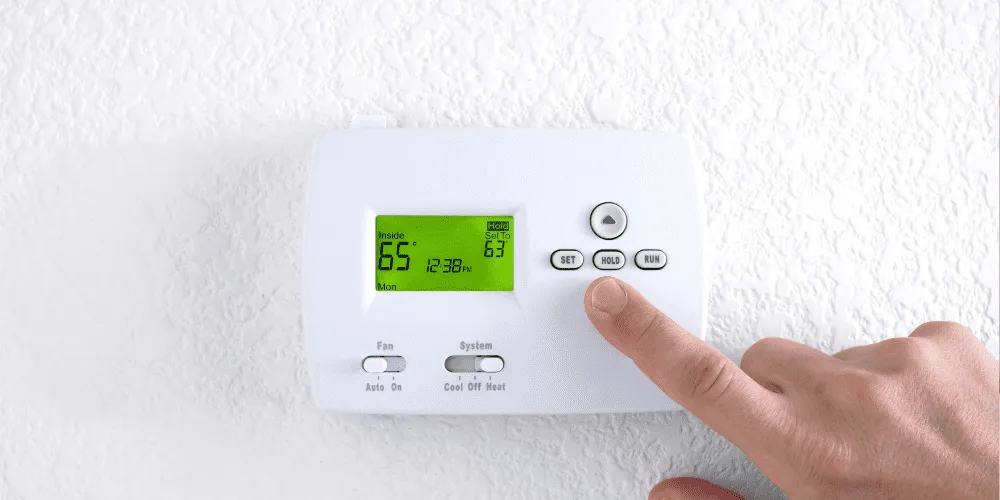
What Is a Wi-Fi Thermostat? Benefits for Comfort, Control & Energy Savings
Did you too, like many others, assume that Wi-Fi thermostats are just useful when you’re coming home from vacation?
Read the article
How Local Weather in West Chester Puts Extra Stress on Your AC
If your air conditioner feels like it never quite catches up on a sticky August afternoon in West Chester, you are not imagining it.
Read the article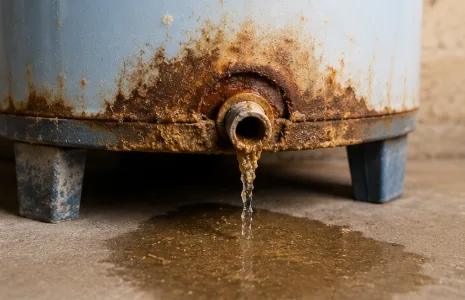
The Hidden Problems of Aging Water Heaters, And How Tankless Systems Fix Them
Most people never think about their water heater until the morning a shower turns cold or a damp spot
Read the article
How West Chester’s Fluctuating Weather Affects Your Heat Pump
Spring weather in West Chester often changes quickly between cool mornings, humid afternoons, rain showers, and warmer daytime temperatures.
Read the article
Why Your Water Heater Might Struggle During West Chester’s Warmer Summer Months
In West Chester, summer humidity and increased household water usage can place unexpected strain on residential water heaters.
Read the article
How Furnace Replacement Saves Energy and Lowers Costs in West Chester, PA
Heating costs don’t usually spike overnight. Instead, many homeowners notice a gradual increase in energy bills, longer heating cycles, or rooms that never feel fully comfortable.
Read the article
How to Know If Your West Chester, PA, Water Heater Needs Repair: 5 Common Signs
Hot water is something most homeowners don’t think about—until it becomes unreliable. Whether it’s a sudden drop in temperature during a shower
Read the article
Is It Worth Repairing My Old Furnace in West Chester, PA, or Should I Replace It?
If your furnace has been giving you trouble lately, you’re probably wondering whether it’s worth repairing or time to consider a replacement.
Read the article
Why Is My West Chester Water Heater Making Strange Noises?
If your water heater has started making popping, rumbling, or hissing sounds, it’s not something to ignore, especially in a West Chester home
Read the article

Ready When You Are
Your Home Deserves Someone Who Does the Right Thing When No One’s Looking.
Tell us what’s going on and we’ll give you a clear, upfront estimate and a time that works. One local crew for heating and cooling, every season.
Family-owned in West Chester since 1993 · ★ 4.9 from 850+ Google reviews
Read more about our HVAC services in West Chester, PA.