
Oil Heat in Chester County: Keep It, Add to It, or Replace It?
 Eric Light September 24, 2026 15 min read
If your home runs on oil, you do not automatically need to replace anything. An oil furnace that starts on the first cold morning and has not needed a part in years is not a problem to solve. What oil costs you per unit of heat is the problem, and a heat pump is the usual answer to it.
So this is a fuel decision before it is an equipment decision. Which heat pump you end up with matters later. What matters first is whether you keep burning oil at all, and the honest answer for a lot of Chester County houses is yes, for now.
For Chester County homeowners, there are four main paths: keep the existing oil system, add a heat pump alongside it, use a dual-fuel system with oil as backup, or replace the oil system completely with electric heating. Each option solves a different problem and comes with its own installation requirements and tradeoffs.
Pull your last two oil delivery tickets before you read any further. That number, against the age and condition of what is in your basement, decides this more than any efficiency rating on a brochure.
Types of Oil Heating Systems in Chester County Homes
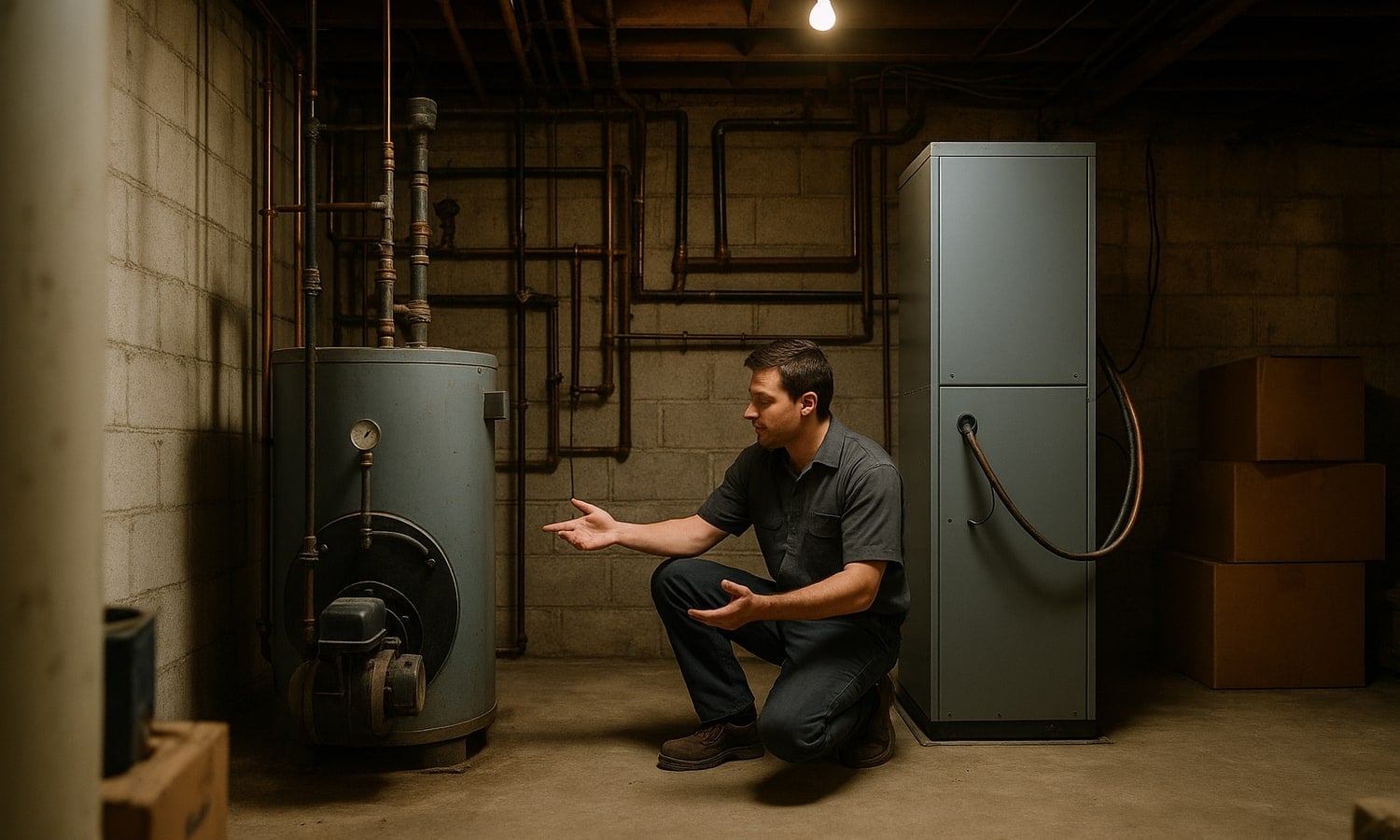
What you can do next depends almost entirely on how the heat gets around the house today. Four setups cover nearly every oil-heated home in the county, and they lead to different answers.
1. Oil Furnace With Ductwork
A burner heats air, a blower pushes it through ducts, and vents deliver it to each room. This is the most common setup in the county's post-war and 1970s builds. It is also the easiest one to change, because a heat pump can use those same ducts if they are sized and sealed properly.
2. Oil Boiler With Cast-Iron Radiators
A boiler heats water and sends it to radiators that warm the room slowly and hold that warmth. Common in West Chester borough and the older Coatesville and Downingtown stock. There are no ducts anywhere in the house, which changes everything about what comes next.
3. Oil Boiler With Baseboard
Same boiler, but the heat runs through low baseboard units along the walls instead of standing radiators. Typical of 1960s to 1980s additions and split-levels. Like the radiator setup, it has no ductwork to inherit.
4. Oil Boiler That Also Heats Your Water
Some boilers run an indirect tank for domestic hot water as well as heating the house. Worth identifying early, because taking the boiler out means solving the hot water separately, and that cost belongs in the comparison from day one.
Once you know which of the four you have, the rest of the decision comes down to the age and repair history of the burner, what you are spending on oil each winter, whether the ducts can carry more airflow, how much room is left in the electrical panel, how well the house holds the heat you pay for, and whether the air conditioner is due at the same time.
That last one carries more weight than most homeowners expect, and the cold-weather question carries less.
When Does Keeping Your Oil System Make Sense?
Often, and we will say so. If your furnace starts on the first call every January, has not needed a part in five years, and heats the back bedrooms as well as the front, there is no argument for pulling it out this year. Newer technology existing is not a reason to spend money.
The honest asterisk is age plus a big repair. Would you put a new transmission in a 12-year-old car that was also running rough? If the engine goes next, you have spent the money twice. On a 20-year-old oil system facing an expensive repair, we slow down and show you that math instead of quoting the part and walking away.
When Your Oil System Is Still Doing Its Job
A system that starts on demand, holds temperature across the house, and has a quiet repair history does not need removing this year. Keep maintaining it, and use the time to plan the replacement properly rather than choosing one on the coldest night of the year with no heat in the house.
This goes double for a boiler with radiators. Swapping that for a central heat pump means putting ductwork into a house that has never had any, which is a construction project, not an equipment swap. The equipment is rarely the expensive half of that job.
When Your Oil System Is Near the End
Age on its own decides nothing. A 25-year-old boiler that has been serviced every year can outlast a neglected 12-year-old furnace. What matters is the pattern: two or three service calls a winter, parts getting harder to source, rooms that never quite catch up.
The comparison people get wrong is replacement price against one repair bill. The right comparison is replacement against every repair you are likely to face over the years you plan to stay, plus what the fuel costs across those same winters.
When Does Adding a Heat Pump Make Sense?
When you want to stop buying so much oil but the furnace does not deserve throwing out yet. The heat pump takes the mild two thirds of the season, the furnace covers the rest, and you get air conditioning you did not have before out of the same box.
It is easiest where an oil furnace already blows through ductwork, because the ducts are the expensive part and you already own them. Whether they can carry a heat pump's airflow is the question, and it is answerable in an afternoon.
One caution before anyone quotes you a size. The capacity of your old oil furnace is not the capacity you need, because oil systems were routinely oversized for decades. Sizing comes off a Manual J load calculation on your house, not off the nameplate of the thing being removed.
Will Your Existing Ductwork Take a Heat Pump?
Sometimes, and it is the first thing worth checking. A heat pump delivers cooler air over longer run times than an oil furnace does, so it needs more airflow to achieve the same comfort. Ducts that were adequate for oil can come up short.
Bad ductwork is bad ductwork, and new equipment does not fix it. If the returns are undersized, a heat pump will underperform in exactly the rooms that already disappoint you. That is worth knowing before the quote, not after.
Does Your Air Conditioner Need Replacing Too?
This is the single biggest factor in whether the numbers work, and most homeowners miss it. An oil furnace heats and nothing more, so if your AC is also near the end, you are about to buy two machines. A heat pump is both of them in one.
That changes the comparison completely. You are no longer weighing a heat pump against a furnace; you are weighing it against a furnace plus a new air conditioner, and the gap narrows fast. If your AC has years left, the case is weaker, and we will tell you so.
When Does a Dual-Fuel System Make Sense?
A dual-fuel setup runs a heat pump and a furnace off one thermostat, which hands the job to whichever is cheaper at that outdoor temperature. Above the changeover point, the heat pump runs. Below it, the oil burner takes over.
For an oil-heated house, that usually means the furnace you already have stays exactly where it is and does perhaps a quarter of the work it used to.
For a lot of Chester County homes, this is the honest middle answer. You burn far less oil without gambling a whole winter on equipment you have never lived with, and a furnace with years left in it stays where it is instead of going in a skip.
Will a Heat Pump Keep Up in a Chester County Winter?
Yes. Canada builds new homes with heat pumps, so they will sure as heck work in Pennsylvania. Modern cold-climate equipment handles our weather better than most homeowners expect, and our penguins would say being built for the cold is the whole point. The part that matters to your house is whether the unit holds its output on the mornings you need it most.
What is true is that output falls as the temperature does, and a standard model starts losing ground below about 25 to 30 degrees. We have written up what temperature a heat pump stops being effective in detail, because it is the question we get asked most.
Where a heat pump sized for your house cannot cover the worst week without leaning hard on expensive backup, keeping oil for those few days is the cheaper answer. That is not a compromise, it is the system doing what each fuel is good at.
Factors That Affect Which HVAC System Fits an Oil-Heated Home
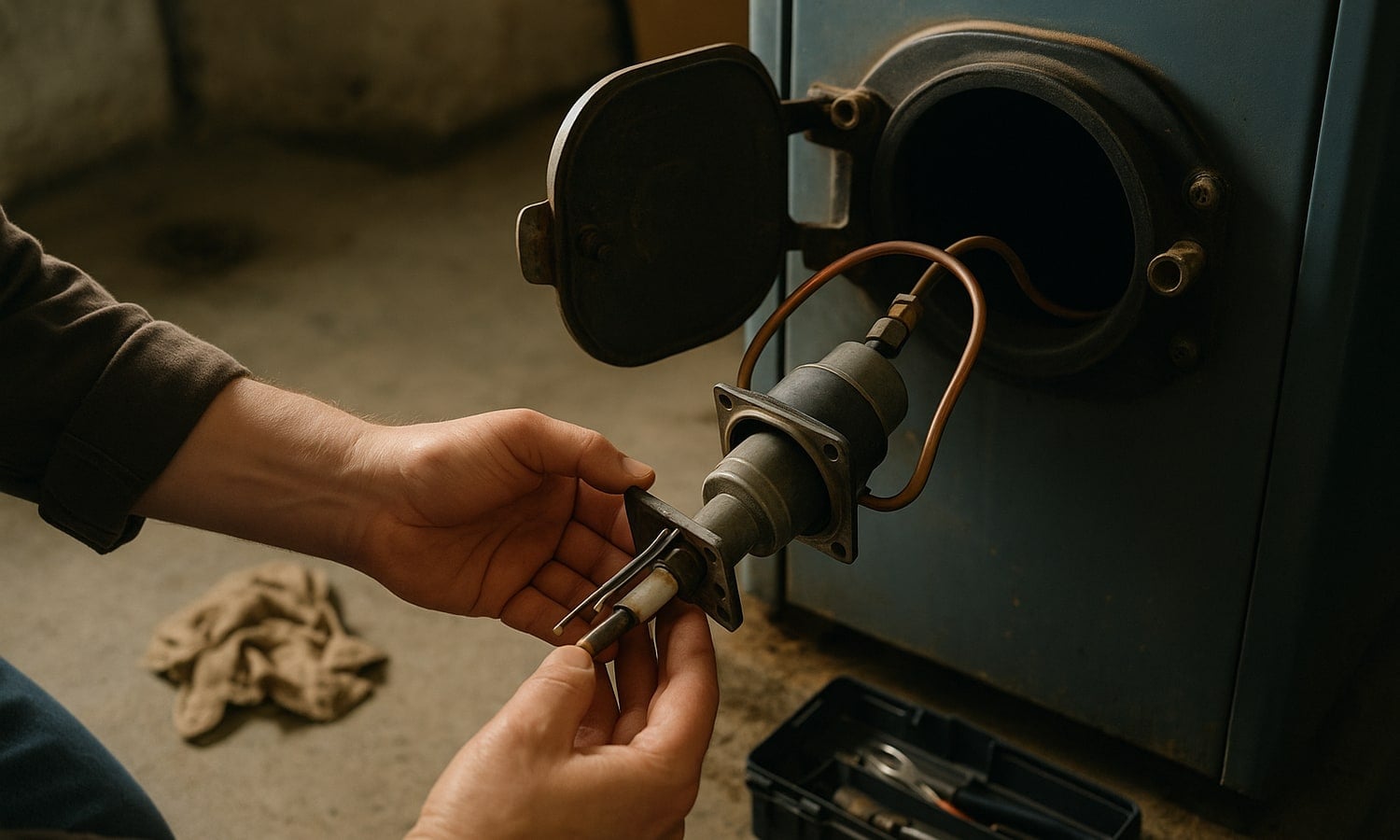
Six things decide this, and they interact. Fuel price on its own tells you almost nothing, because the cheapest fuel to run is no help if the house cannot distribute it.
Do You Have a Furnace or Boiler?
This is the first question, and it decides more than the other five together. An oil furnace already blows air through ducts, so a ducted heat pump can inherit them and the job stays an equipment swap.
An oil boiler is a different conversation. With radiators or baseboard there is no ductwork to inherit, so a conventional central heat pump would mean building a duct system from nothing. Ductless mini-splits are usually the better route here, because they put the heat where the rooms are without opening ceilings to get there.
How Good Is Your Ductwork?
Owning ducts and owning good ducts are different things. Before anything gets connected to them we measure airflow and static pressure, and look at sizing, leakage and insulation on both the supply and return side.
If the ducts are undersized or leaking into a crawlspace, fixing that comes first, and it is money better spent than a larger unit shouting through the same bad pipes. In some houses ductless sidesteps the problem entirely.
How Well Is the Home Insulated?
How fast your house loses heat sets how much heat you have to buy. Air leakage, attic insulation and old windows are why two identical-looking houses on the same street need different equipment.
So size off the home's heating load, not off the old furnace's nameplate. Sealing and insulating first often drops the capacity you need by a size, which makes the equipment cheaper and the house more comfortable at the same time.
Can Your Electrical Service Support the System?
Oil heat asks almost nothing of your electrical panel. A heat pump with auxiliary strips asks a great deal, on top of everything else the house already runs.
Plenty of older Chester County homes have no spare breaker space, and some need a service upgrade. That is real money and it belongs in the comparison at the start, not as a surprise on installation day.
How Much Cooling Do You Need?
Cooling is where this decision is usually won or lost. If you are about to replace the air conditioner anyway, a heat pump does that job and the heating job for close to the price of the one.
If your AC is healthy, there is less reason to move on the heating side yet. Where both are tired at once, one system replacing two is the strongest case this decision ever makes.
Should You Replace Oil Completely With Electric Heating?
When the oil system is finished anyway, and the house can support a heat pump on its own. You stop maintaining two heat sources, stop scheduling deliveries, and the tank can come out of the basement or the yard.
It is more than lifting out the old unit and dropping in a new one. The heating load, the electrical service, the ducts, the insulation, and the backup-heat strategy all have to line up, and if one of them does not, you find out in January.
The case is strongest when the oil system and the air conditioner are both on their way out, because one properly designed heat pump then replaces two machines instead of one.
It is the wrong call more often than the enthusiasm suggests. A panel with no room in it, an uninsulated attic, ductwork that was never right, or a furnace with ten good years left all point somewhere else, and we would rather say that than sell you the bigger job.
How Do You Decide Which Oil-Heat Option Fits Your Home?
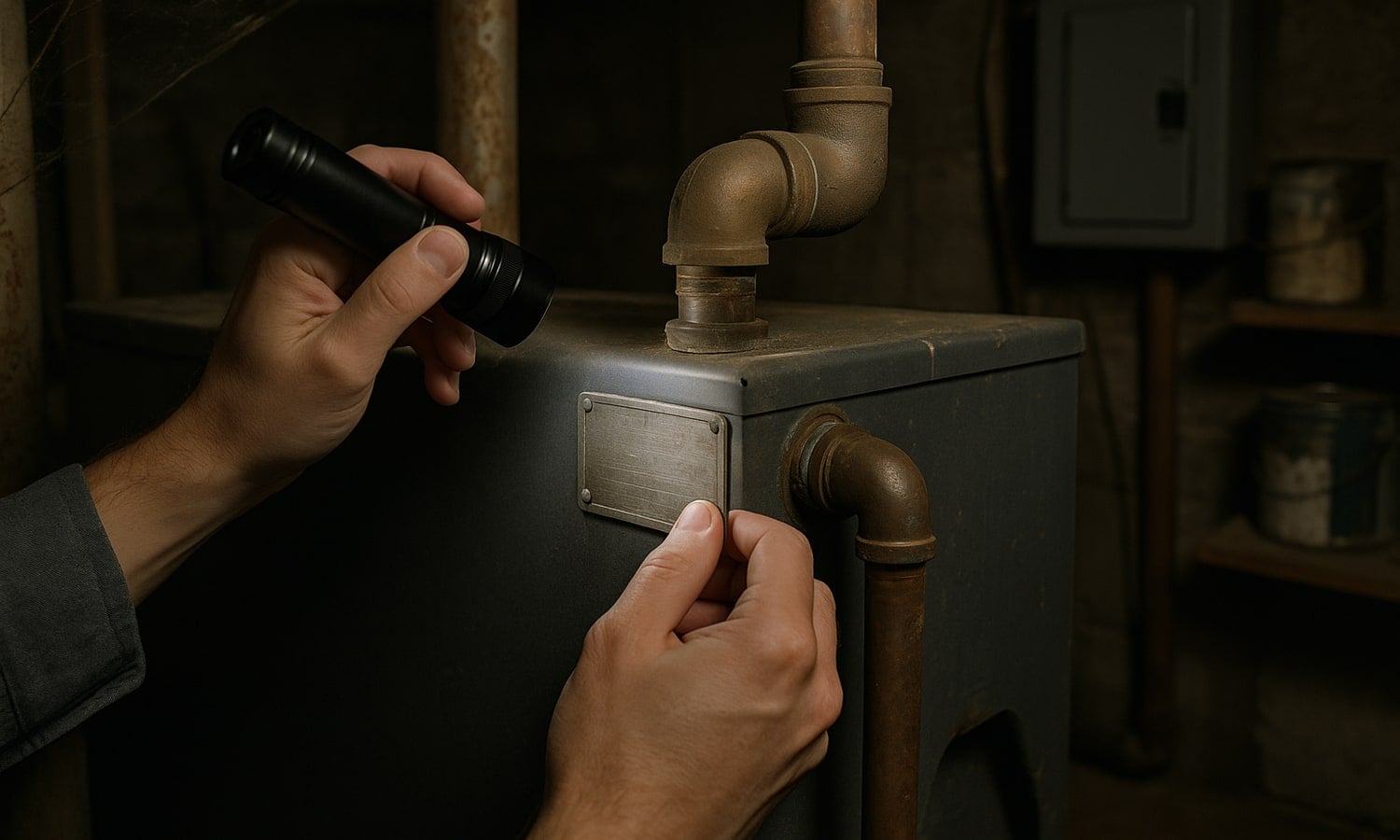
Find the row that looks like your house. A 20-year-old furnace with usable ducts is a different conversation from a boiler feeding radiators, and a tired air conditioner shifts the answer again.
| Your home situation | Option to evaluate |
|---|---|
| Oil system that starts every time, few repairs | Keep it and plan ahead |
| Aging oil furnace with good ductwork | Compare heat pump replacement or dual fuel |
| Working oil furnace and desire to reduce oil use | Add a heat pump |
| Oil furnace plus suitable ductwork and cold-weather concerns | Consider dual fuel |
| Oil boiler with radiators or baseboard | Evaluate ductless heat pumps or other compatible options |
| Poor or undersized ductwork | Correct duct problems or consider ductless |
| Aging oil and aging AC | Compare a heat pump that handles both heating and cooling |
| Adequate electrical service and aging oil equipment | Evaluate full electrification |
| Limited electrical capacity | Compare dual fuel with the cost of electrical upgrades |
Two houses, opposite answers. Pulling a sound oil boiler because you want a heat pump means building a distribution system you do not have, and there is nothing more expensive than something cheap done twice. A 15- to 20-year-old oil furnace with tired AC and decent ducts is the opposite case, and that is where a heat pump installation usually wins on the numbers.
Getting to that answer takes measurements, not opinions: a Manual J load calculation, the condition of what is there, duct sizing and static pressure, airflow on supply and return, insulation, panel capacity, and the heat pump's rated output at low temperatures. Those numbers point at one of the four paths on their own.
Frequently Asked Questions
Is a heat pump a good choice for a home with oil heat?
Usually yes, and strongest when your air conditioner is also near the end, because one system then replaces two. The case is weaker if your oil furnace is young and healthy, or if the house is on radiators with no ductwork to work with.
Can I add a heat pump without removing my oil furnace?
Yes. Added to a forced-air oil furnace, the heat pump carries most of the season and the furnace covers the coldest stretch. Two things have to be right: the controls need to changeover sensibly, and the ducts need to move the extra airflow a heat pump wants.
What if my home has an oil boiler and radiators?
Then ductless is almost certainly your answer. There is no ductwork to inherit, and building some into a finished older home costs more than the equipment does. Mini-splits put heating and cooling in the rooms that need it without opening up ceilings, and the boiler can stay as backup while you try it.
Is dual fuel a good option for an oil-heated home?
It is often the best answer for an oil-heated house, because you cut fuel use without betting a winter on a system you have not lived with. The one thing to get right is the changeover setting. Too eager and you burn oil on days the heat pump had covered.
When should I replace my oil heating system completely?
When it is old enough to be failing in a pattern rather than a one-off, and the air conditioner is going too. A single repair on a sound system is not the signal. Two or three calls a winter on a twenty-year-old unit, with an AC on its last legs, is.
Why Choose Precision Air Heating and Cooling for Your Oil Heat Decision?
This decision starts in your basement, not in a brochure. Precision Air Heating and Cooling has been working on Chester County's oil-heated houses for 33 years. We will look at the equipment, the distribution system, and the loads before anyone says the word replacement.
We match the system to the home, not the home to one brand. A forced-air furnace, a boiler on radiators, and a house with tired AC are three different decisions, and we would rather tell you to keep what you have for another two winters than sell you something you did not need. A new system is a 15-year relationship, so it is worth getting right.
Moving off oil starts with a look at what is down there now, which is where our heating installation and replacement work begins. Spreading a conversion over payments is common, and our financing is open to qualified customers, subject to approval.
The in-home estimate on a replacement is free. Call (484) 690-4328 and we will run the load calculation, look at your ducts and your delivery tickets, and tell you plainly whether this is the year to change anything.
Owner & President of Precision Air Heating & Cooling, the independent, family-owned company that has served West Chester and Chester County homes since 1993.