
Mini-Split vs Heat Pump: What's the Difference and Which Does Your House Need?
 Eric Light October 16, 2026 10 min read
If you're weighing a mini-split vs. a heat pump, the first thing to know is that a mini-split is a heat pump. It delivers heating and cooling without traditional ductwork, so the more useful comparison is between a ducted heat pump and a ductless mini-split system.
Both can heat your home in winter and cool it during Pennsylvania's humid summers. If your ducts are sound and reach every room, a ducted heat pump is usually the better whole-house choice. If the house has no ducts, or one room never keeps up, a ductless mini-split is the better fix. Plenty of Chester County homes end up with both.
Is a Mini-Split the Same Thing as a Heat Pump?
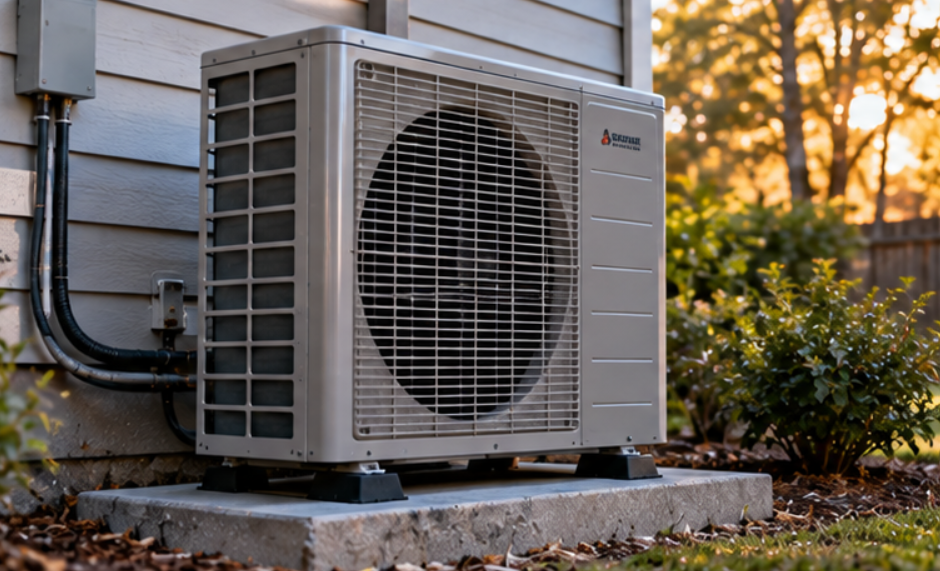
A heat pump transfers heat rather than generating it through combustion. In summer, it moves heat from inside your home to the outdoors. In winter, it reverses the process and transfers available heat from outdoor air indoors. One system can therefore provide both heating and cooling.
A mini-split uses the same basic refrigeration process but delivers conditioned air through one or more indoor units connected to an outdoor unit. A ducted heat pump typically uses an indoor air handler and ductwork to distribute air throughout the house.
The distinction is how the conditioned air reaches your rooms:
- Ducted heat pump: Uses an air handler, ducts, and supply vents to condition multiple rooms.
- Ductless mini-split: Uses individual indoor units connected to an outdoor unit, without traditional distribution ducts.
Neither setup is automatically better. A ducted system may be the practical choice when existing ducts are in good condition, while a mini-split can make more sense for homes without ducts or spaces that the central system cannot reach.
How Does a Ductless Mini-Split Differ From a Ducted Heat Pump?
The most visible difference is inside your home. A ducted system typically hides its air handler and distribution network in a basement, attic, closet, or utility area. Conditioned air reaches rooms through registers connected to the ductwork.
A mini-split instead uses indoor units mounted on walls or installed in other compatible configurations. Each unit conditions its designated area, and multi-zone systems can connect multiple indoor units to one outdoor unit. The number of compatible zones depends on the equipment model, capacity, and manufacturer's specifications.
Installation requirements also differ. A ductless system needs refrigerant lines, electrical connections, condensate drainage, and suitable locations for its indoor and outdoor equipment. A ducted system requires appropriately sized ducts and an air handler that can deliver the necessary airflow.
Because a mini-split does not need traditional ducts, it can reduce construction in homes without existing ductwork. However, the indoor units remain visible, and their placement affects comfort and appearance. A ducted system keeps most equipment out of sight but depends on the condition and design of the distribution system.
Does Your Existing Ductwork Determine Which System Is Better?
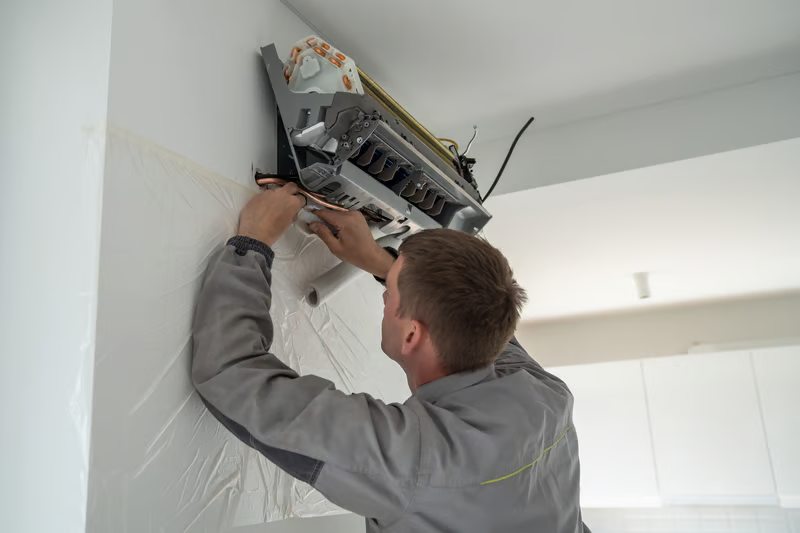
Your current ductwork is one of the most important factors in the decision. If your home already has a well-designed duct system that reaches every room, a ducted heat pump may allow you to upgrade without paying to install a new distribution network.
However, existing ducts are not automatically an advantage. Leaks, disconnected sections, poor insulation, restricted airflow, and undersized runs can prevent a new system from heating and cooling effectively. We test the ducts before we recommend reusing them, because an old system running through them does not mean they suit a new one.
Before comparing quotes, consider these points:
- Duct coverage: Do the ducts reach bedrooms, finished basements, additions, and other regularly used spaces?
- Duct condition: Are there leaks, damaged sections, or poorly insulated runs?
- Airflow: Can the existing system deliver the airflow the proposed equipment requires?
- Room comfort: Are some rooms consistently too hot or too cold?
- Installation disruption: Would adding or modifying ducts require opening walls or ceilings?
If the ductwork is sound and properly sized, reusing it can make a ducted heat pump a cost-effective option. If the house has no ducts or correcting them would involve extensive construction, a ductless mini-split is usually the better fit.
Mini-Split vs. Ducted Heat Pump: How Do They Compare?
Both systems heat and cool efficiently when they are sized and installed properly, so the differences come down to the house.
| Factor | Ductless mini-split | Ducted heat pump |
|---|---|---|
| Existing ducts | Not required | Requires suitable ductwork |
| Installation | Usually less duct-related construction | May require duct modifications or installation |
| Room control | Individual indoor units can offer separate settings | Often uses one central thermostat. Zoning is possible. |
| Appearance | Indoor units are visible | Most equipment is concealed |
| Best application | Homes without ducts, additions, problem rooms | Whole homes with suitable existing ducts |
| Main consideration | Unit placement and zone sizing | Duct condition and airflow |
Neither system is inherently more efficient in every home. Ductless equipment avoids losses associated with leaking or poorly insulated ducts, but the efficiency you get depends on the equipment, installation, climate, and operating conditions.
Can a Mini-Split Heat a West Chester Home During Winter?

Yes. Modern cold-climate mini-splits keep heating well below freezing, and they handle a Chester County winter better than most homeowners expect. The number to ask for is the heating capacity at 5°F, not the one at 47°F, because the colder figure is closer to a January night here.
We size ductless heating on the colder number and show both ratings on the proposal. If you want the detail, here is the temperature where heat pumps start to struggle.
Insulation, air leakage, window performance, ceiling height, and room layout all influence how much heating or cooling a space requires. A mini-split that is too small may struggle during extreme weather, while an oversized system may not operate as intended.
Which System Fits Your House: Ducted, Ductless, or Both?
A ducted heat pump suits a home with functional ducts, while a ductless mini-split fits homes without ductwork, problem rooms, and new additions. Each of these situations points toward a different setup.
Choose a Ducted Heat Pump for Whole-House Comfort
If your home already has well-maintained ductwork and you want consistent heating and cooling throughout the house, a ducted heat pump may be the practical choice. It distributes conditioned air through existing vents and can replace an aging central HVAC system. We inspect the ducts for leaks, airflow restrictions, and insulation problems before recommending it.
Choose a Mini-Split if Your Home Has No Ductwork
If your home relies on radiators, baseboard heating, or another system without central ducts, a ductless mini-split can provide both heating and cooling without installing an entire duct network. This can reduce installation complexity in older homes. We check the heating and cooling loads, the electrical panel, and where each indoor unit will sit before settling on the setup.
Choose a Mini-Split for One Uncomfortable Room
If an upstairs bedroom overheats in summer or the room over the garage never warms up, a new whole-house system usually will not fix it. A new system pushes air through the same ducts, so if they never reached that room properly, the room stays the way it is.
A mini-split in that room is the most dependable fix we know. Zoning is the other option, and whether a house is worth zoning depends on how its ducts were laid out.
Consider a Mini-Split for an Addition or Converted Garage
A new room addition or converted garage may not connect easily to your home's existing ductwork. A mini-split can condition the space without requiring extensive duct modifications. Proper sizing is especially important if the room has large windows, limited insulation, or frequent outdoor door openings, as these factors can increase heating and cooling demands.
Consider Zoned or Hybrid Options for Different Comfort Needs
If your home's main living areas are comfortable but certain rooms need separate temperature control, combining a ducted heat pump with a mini-split is worth pricing out. The ducted system serves the main house while the mini-split handles an addition or problem room.
Zoning the ducted side is a third option in some homes. We price the combination side by side with either system alone, so you can see what it costs before you commit.
What Should You Compare Before Accepting an Installation Quote?
The equipment price is only one part of the decision. Two quotes can differ because one includes duct repairs, electrical upgrades, more indoor units, or more careful installation work.
The full checklist for comparing heat pump quotes covers sizing, cold-weather capacity, and warranty. On a mini-split quote, also ask which rooms each indoor unit will serve and where on the wall it will sit, where the refrigerant line set will run outside the house, and whether the electrical work and condensate drain are included.
Ducted or Ductless in Chester County? We Look at the House Before We Recommend Either
Precision Air Heating and Cooling has installed heat pumps across West Chester and Chester County since 1993, and we put in both kinds. We check your ducts, measure the rooms that give you trouble, and settle where any indoor unit and line set will go before we price anything. The in-home estimate for a new system is free, and the price comes to you in writing.
Call (484) 690-4328 to book it, and the Penguin Patrol will come measure the house. If your ducts are sound, start with heat pump installation and replacement, and if they are not, start with ductless mini-split installation.
Questions About Mini-Splits and Ducted Heat Pumps
Can one outdoor unit run multiple mini-split indoor units?
Yes. A compatible multi-zone outdoor unit can serve several indoor units. The maximum number depends on the model, capacity, and manufacturer's requirements, so confirm that the proposed system can handle the combined load of all zones.
Are ductless mini-splits noisy indoors?
Indoor noise varies by model, fan speed, and installation. Many mini-splits operate quietly at lower settings, although the indoor fan remains audible. Ask about published sound ratings and indoor-unit placement if noise is a priority.
How often does a mini-split need cleaning?
Rinse the washable screens in each indoor unit about once a month, and have the coils and blower wheel cleaned twice a year. A ductless head has no filter cabinet, so dust that gets past the screens builds up on the blower wheel and cuts the heating output over time. A Precision Comfort Club membership books both cleanings for you.
How many rooms can one mini-split system serve?
A single-zone system typically serves one area with one indoor unit. A multi-zone system can serve several rooms, depending on the outdoor unit's capacity and supported connections. Proper sizing matters more than fitting in as many indoor units as possible.
Is a ducted heat pump always cheaper than a mini-split?
No. A ducted system may cost less when suitable ductwork already exists, but repairs or duct installation can increase the total price. A mini-split may be more practical for homes without ducts or for additions. Compare complete installation quotes for your specific home.
Owner & President of Precision Air Heating & Cooling, the independent, family-owned company that has served West Chester and Chester County homes since 1993.