
Replacing a Water Heater in West Chester, PA? What Homeowners Should Know About Installation Requirements
 Eric Light August 17, 2026 9 min read
Replacing a water heater seems simple until homeowners discover the new unit may not connect the same way as the old one. The right replacement depends on your home, your existing setup, your hot water demand, your efficiency goals, and local requirements in Pennsylvania. A quick like-for-like swap is not always possible, and assuming it is can lead to expensive surprises.
In many West Chester homes, an aging water heater was installed years ago under older codes, older connections, and older efficiency standards. Today's units may have different venting needs, clearance requirements, electrical demands, or safety components. That is why a proper water heater installation starts with checking the whole setup, not just picking a tank that fits in the same corner.
This guide answers the questions homeowners actually ask before replacing a water heater. Can you use the same type of system? What changes if you switch to tankless water heater installation? Will permits or inspections apply? Do you need plumbing, gas, electrical, or venting updates first? By the end, you will know what a proper water heater replacement in West Chester should include from start to finish.
Why Replacing an Older Water Heater May Require More Than a Simple Swap
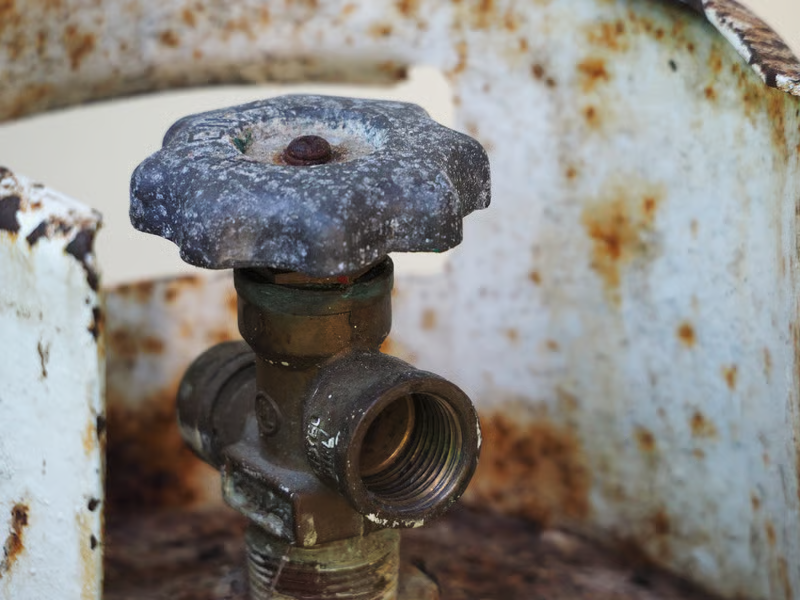
Older homes often have outdated connections, undersized gas lines, or venting that no longer meets current standards. A new water heater may have different dimensions, venting needs, or clearances than the one it replaces. When any of these differ, the installer has to update the surrounding setup, not simply set the new tank in place and reconnect it as before.
What safety parts should be checked during replacement?
A proper replacement also means checking the parts around the tank, not just the tank itself. That can include:
- Temperature and pressure relief protection
- Proper shutoff valves
- Venting and combustion air on gas units
- Electrical circuit capacity on electric units
- Drainage and condensate needs on certain systems
- Thermal expansion protection when required
Efficiency standards have also changed over time. Modern water heaters are rated by Uniform Energy Factor, or UEF, and ENERGY STAR explains that UEF is used to compare water heater efficiency. These details protect your home and family, but they also mean replacement often involves more than a straight swap.
Gas vs Electric vs Heat Pump Water Heaters: What Changes During Installation
Replacing an old water heater with the same type can sometimes be relatively straightforward, but switching from gas to electric, tankless, or heat pump technology can change the installation requirements quickly. In a West Chester home, the existing gas connection, electrical service, venting, available space, drainage, and equipment location all need to be reviewed before choosing the replacement.
| Water Heater Type | Installation Requirements to Check | What May Need to Change in an Older West Chester Home |
|---|---|---|
| Gas Tank | Gas connection, venting, combustion air, water connections, shutoff valve, temperature and pressure protection | Existing venting may not match the replacement; gas piping, connections, or vent configuration may need updates |
| Gas Tankless | Proper gas supply, venting designed for the specific unit, water connections, condensate management on condensing models, electrical connection | Existing gas line may not provide the required capacity, and the venting arrangement may need substantial modification |
| Electric Tank | 240-volt electrical circuit, appropriate breaker and wiring, water connections, temperature and pressure protection | Older homes may need electrical work if the existing panel or wiring cannot accommodate the required circuit |
| Heat Pump Water Heater | Adequate surrounding air volume, clearance for airflow, condensate drainage, electrical connection, water connections | A small mechanical closet may not provide enough air volume, while condensate drainage and electrical requirements may require additional work |
| Tankless Electric | High electrical capacity, multiple circuits or substantial electrical service depending on model, water connections | An older electrical panel may not have enough available capacity, making this a more involved conversion than a standard tank replacement |
Why does the room around the water heater matter?
Space matters more than homeowners expect. A tankless unit mounts on a wall and frees up floor space, while a heat pump water heater needs room around it to pull heat from the air. ENERGY STAR notes that heat pump water heaters move heat from the surrounding air into the tank, so a tight mechanical closet may not be the right fit without planning.
Matching the technology to your home's layout and utilities is a key part of a smooth, code-compliant installation.
Does Your Water Heater Replacement Require Permits or Inspections in Pennsylvania?
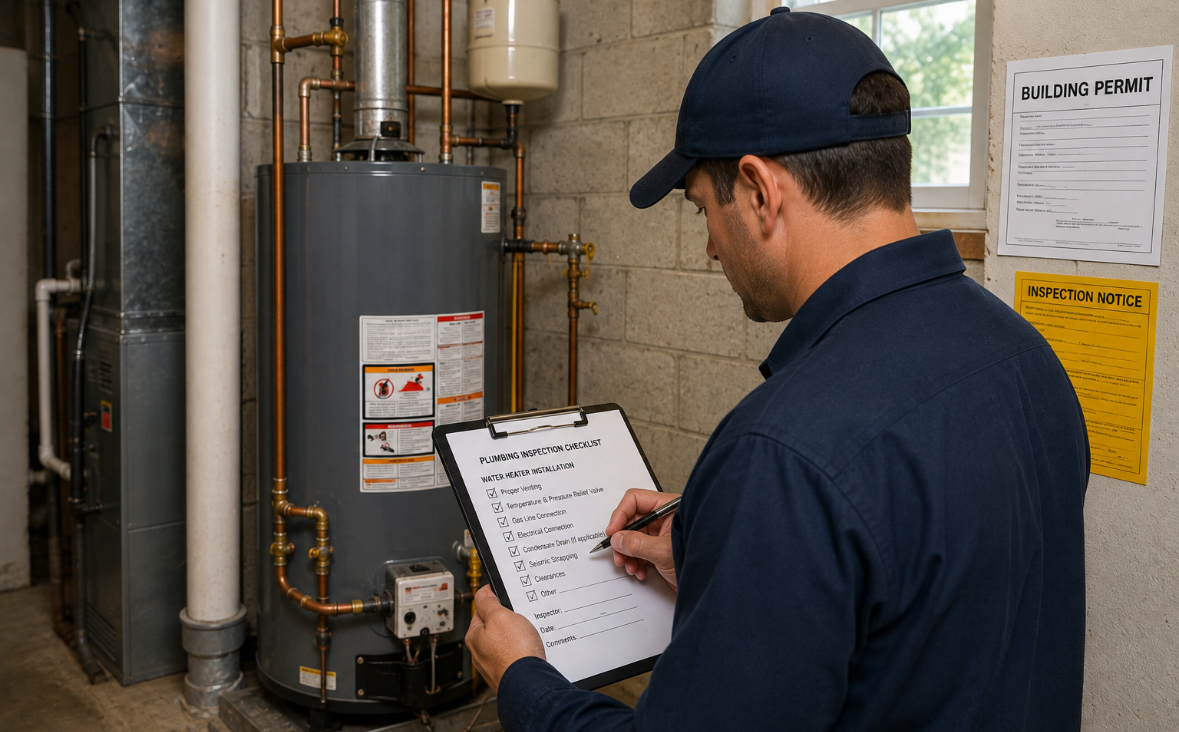
Do you need a permit to replace a water heater in West Chester?
A water heater replacement can involve more than removing the old tank and connecting the new one. In West Chester, plumbing and construction work is subject to the Pennsylvania Uniform Construction Code and local borough requirements, so permit and inspection needs should be confirmed before work begins.
The West Chester Building Permits page says building permits are required for most construction and renovation projects to help ensure safety and code compliance. Pennsylvania's residential UCC permit rules also state that replacing a regulated electrical, gas, mechanical, or plumbing system generally requires applying to the building code official, with emergency replacement allowed first if the permit application is submitted within three business days.
What permit questions should you ask before installation day?
Before the replacement begins, ask clear questions so there are no surprises once the old unit is already drained and disconnected.
- Who is responsible for the permit application?
- Will a plumbing inspection be required?
- Does the project involve gas, electrical, or venting changes?
- Does the replacement change the fuel type or equipment type?
- Will the work need a final inspection before the permit is closed?
Why does this matter for homeowners?
The important takeaway is simple: do not assume the old water heater's installation can be duplicated exactly. A contractor should explain which approvals apply, whether inspections are likely, and whether the new unit requires plumbing, gas, electrical, or venting updates. That gives you a clearer picture of the project before installation day, not after the tank is already out.
What a Professional Water Heater Installation Includes
A professional replacement is a careful process, not a rushed swap. It protects your home and helps the new unit operate safely and efficiently from day one. Knowing the steps in advance also helps you spot when a contractor is cutting corners just to finish faster.
What happens before the new unit goes in?
The installer should drain, disconnect, and remove the existing water heater safely. Before setting the replacement, they should inspect the gas, electrical, water, and venting connections to confirm what can stay, what needs updating, and what has to meet current requirements.
What should be installed with the water heater?
A proper installation may include more than the water heater itself. Depending on the system and local requirements, the job may involve:
- A properly sized temperature and pressure relief valve
- Shutoff valves and water connections
- Thermal expansion protection when required
- Venting updates for gas units
- Condensate handling for certain high-efficiency or heat pump models
- Electrical or gas adjustments when the replacement requires them
What should happen before the crew leaves?
The system should be filled, started, tested, and checked for leaks. On gas units, venting and combustion safety should be confirmed. The installer should also walk you through basic operation, temperature settings, and anything you need to know before using the new unit normally.
Each step matters because a water heater involves water, pressure, and often gas or combustion. A thorough installation helps prevent leaks, safety risks, and premature failure.
Choosing the Right Replacement Water Heater for Your West Chester Home
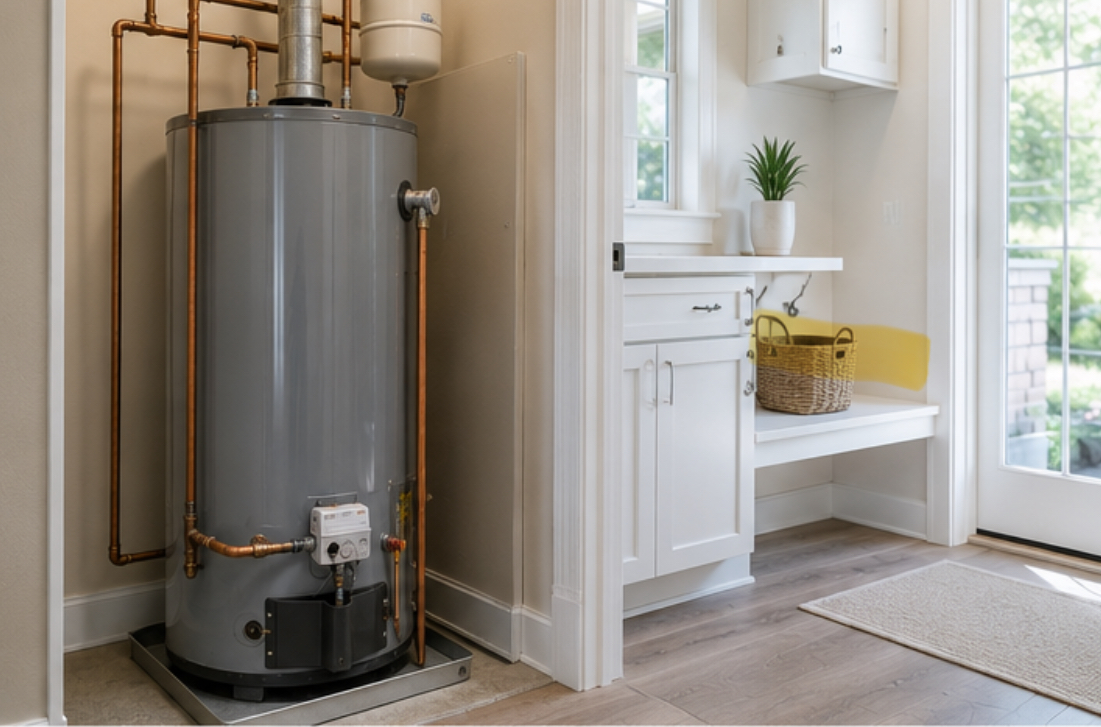
The best replacement depends on how your household uses hot water. A traditional tank is usually simpler and more affordable upfront. A tankless water heater costs more initially but can provide continuous hot water when it is sized and installed correctly. A heat pump water heater can be efficient, but it needs the right space, airflow, drainage, and electrical setup.
What should matter besides the sticker price?
The upfront price is only one part of the decision. You also need to think about:
- How many people use hot water in the home
- Whether showers, laundry, and dishes often overlap
- The available space around the unit
- Gas, electric, venting, and drainage requirements
- Energy use over the life of the system
- Whether the existing setup needs code or safety updates
ENERGY STAR notes that certified heat pump water heaters can offer significant energy savings, while tankless and high-efficiency gas units may make sense in different homes. Balancing upfront cost, efficiency, demand, and installation requirements is where a knowledgeable local contractor helps you decide with confidence.
Why Local Experience Matters for Water Heater Replacement
Local experience makes a real difference because West Chester's older housing stock and Pennsylvania code requirements create situations that a rushed installer can miss. A local contractor is more likely to recognize common venting setups, tight basement utility areas, older gas connections, hard water issues, and permit steps in nearby municipalities.
That familiarity helps prevent the two things homeowners hate most: surprise costs and installation-day delays.
Ready to Replace Your Water Heater in West Chester?
A water heater replacement is about more than swapping a tank. It involves venting, connections, safety, permits, inspections, and choosing the right unit for how your home actually uses hot water. Precision Air Heating and Cooling is locally owned with 33-plus years of serving Chester County, so we know how to plan these installations around West Chester homes instead of treating every basement like the same job.
Our team evaluates your existing setup, explains what needs to change, gives you clear pricing, and installs the system with the details handled properly. That includes traditional tanks, tankless upgrades, and the planning needed when gas, electric, venting, drainage, or space requirements change.
Here is where we can help:
- Replacing an old tank with a properly planned water heater installation
- Upgrading to a space-saving tankless water heater
- Fixing an issue before replacement with water heater repair
- Protecting the new unit with water heater maintenance
- Spreading out larger home comfort projects with financing
If your water heater is leaking, aging, running out of hot water, or making you question whether replacement is next, do not wait until it fails in the middle of the week. Call Precision Air Heating and Cooling and get a clear replacement plan before the old unit decides for you.
Owner & President of Precision Air Heating & Cooling, the independent, family-owned company that has served West Chester and Chester County homes since 1993.