
Why Your Second Floor Gets Hotter Than the First Floor in July
 Eric Light July 28, 2026 7 min read
July is often when homeowners throughout West Chester, PA begin noticing the biggest temperature differences between floors. While the first floor feels comfortable, upstairs bedrooms can remain 5°F to 10°F warmer, even with the air conditioner running for hours. Lowering the thermostat usually isn’t the answer because the problem often involves airflow, heat gain, or the way your HVAC system distributes cooled air throughout the home.
A hot second floor doesn’t always mean your air conditioner is too small or needs replacing. In many cases, the issue is caused by attic heat, poor return airflow, duct design, inadequate insulation, or the lack of zoning. Understanding what’s causing the temperature imbalance is the first step toward improving comfort without wasting energy on unnecessary repairs.
Why Does Your Second Floor Get Hotter During July?
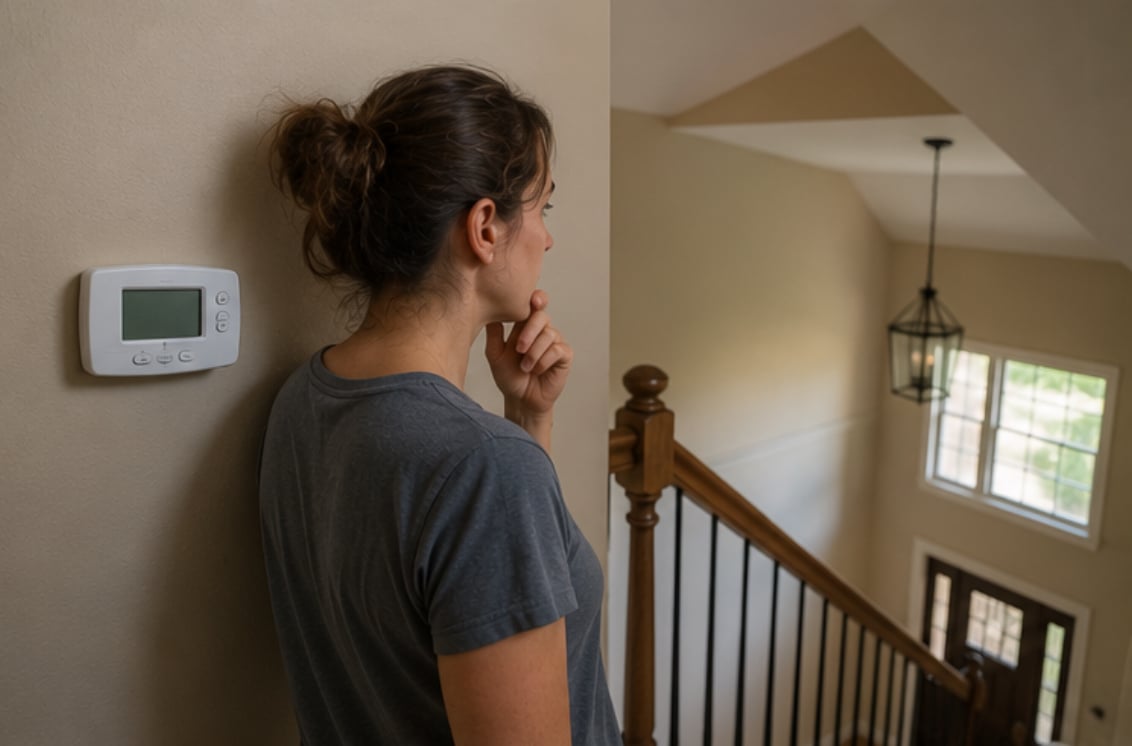
Warm air naturally rises, a process known as the stack effect. During July, this natural airflow combines with intense afternoon sun, attic heat, and longer cooling cycles, making upper floors significantly warmer than lower levels. While your air conditioner cools the entire house, the second floor continues gaining heat faster than the first floor can lose it.
Homes throughout West Chester with finished attics, bonus rooms, vaulted ceilings, or large west-facing windows often experience the greatest temperature differences. Even a properly operating AC system may struggle if excessive heat is entering the home faster than it can be removed.
Several conditions often contribute to hotter upstairs temperatures.
| Cause | How It Affects Upstairs Comfort |
|---|---|
| Stack effect | Warm air naturally rises and accumulates on the second floor. |
| Attic temperatures above 130°F | Heat radiates through ceilings into upstairs rooms. |
| Afternoon sun exposure | West-facing rooms absorb significant solar heat. |
| Poor insulation | Allows more heat to enter the living space. |
| Restricted return airflow | Traps warm air upstairs, reducing cooling efficiency. |
Understanding which of these conditions is affecting your home helps determine whether the solution involves airflow improvements, insulation upgrades, or HVAC system adjustments.
How Does Attic Heat Affect Your Upstairs Rooms?
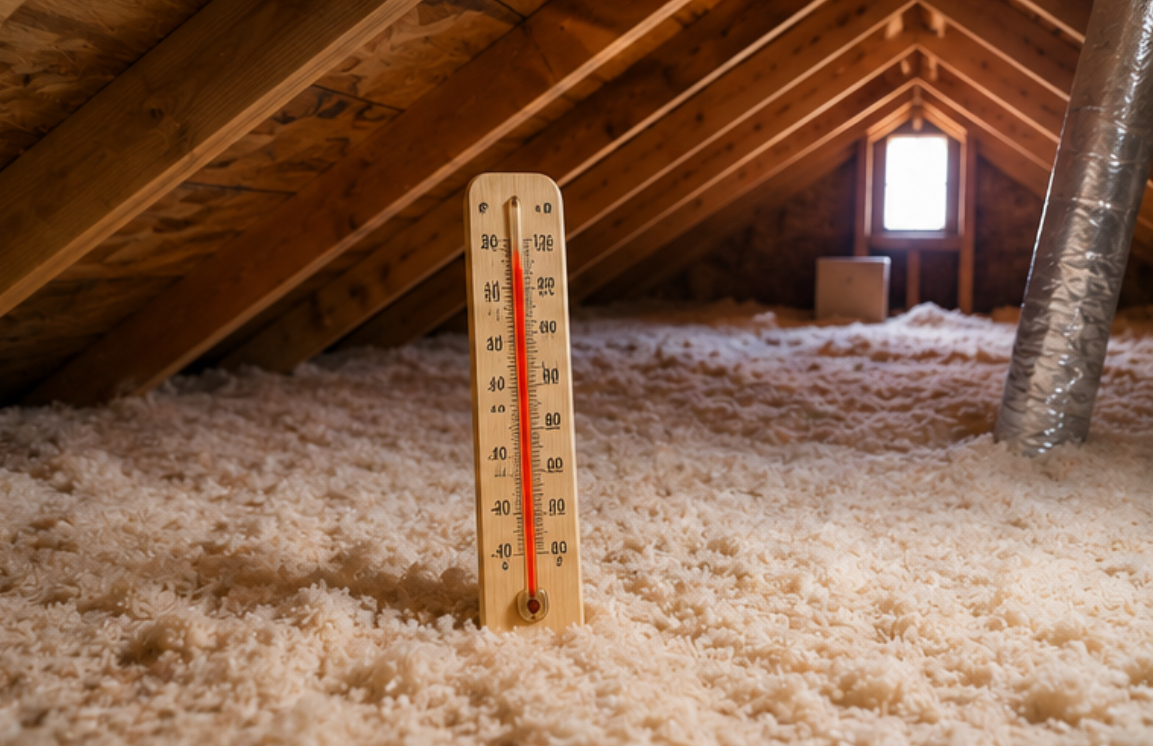
Many homeowners don’t realize their attic becomes one of the hottest areas of the house during summer. Even when outdoor temperatures reach only the mid-90s, attic temperatures commonly climb between 130°F and 150°F. That stored heat gradually transfers through the ceiling into second-floor bedrooms, increasing the amount of heat your air conditioner must remove throughout the afternoon and early evening.
The problem becomes even more noticeable in homes with older insulation or inadequate attic ventilation. As the attic continues storing solar heat throughout the day, upstairs rooms often remain warm long after sunset. During professional air conditioning maintenance inspections, technicians frequently find that excessive attic heat is a major contributor to second-floor comfort complaints rather than the air conditioner itself.
Can Poor Airflow Make Your Upstairs Feel Hotter?
A powerful air conditioner can’t keep every room comfortable if conditioned air isn’t circulating properly. Many second-floor comfort problems are actually airflow problems rather than cooling problems. If enough cooled air isn’t reaching upstairs rooms—or warm air can’t return to the HVAC system efficiently—the second floor will remain warmer no matter how long the AC runs.
Watch for these common airflow warning signs:
- Weak Airflow Upstairs: Supply vents deliver noticeably less air than those on the first floor.
- Closed Interior Doors: Bedrooms become warmer when return airflow is restricted.
- Uneven Vent Temperatures: Some upstairs rooms cool normally while others stay several degrees warmer.
- Long Cooling Cycles: The AC runs continuously without balancing temperatures between floors.
- Whistling Return Vents: High static pressure may indicate restricted return airflow or undersized ductwork.
These symptoms often point to airflow imbalances that can be corrected through professional evaluation. In some homes, improvements to the duct system, installing a zoning system, or adding a ductless mini split for consistently warm areas provides a more effective long-term solution than simply lowering the thermostat.
Would a Zoning System Solve Upstairs Temperature Problems?
Not every two-story home needs a larger air conditioner. In many West Chester homes, the issue is that one thermostat is trying to control two floors with very different cooling needs. A zoning system divides the home into separate comfort zones using motorized dampers and individual thermostats, allowing the second floor to receive additional cooling without overcooling the first floor.
A zoning system is often a good solution if you experience:
- Consistently Warm Bedrooms: Upstairs rooms stay uncomfortable despite long AC cycles.
- Large Two-Story Homes: Different floors experience very different cooling loads.
- Finished Bonus Rooms: Converted spaces above garages require additional cooling.
- Open Floor Plans: Warm air naturally collects on upper levels.
- Frequent Thermostat Adjustments: Family members constantly change the thermostat to stay comfortable.
If temperature differences are caused by varying cooling loads between floors rather than equipment failure, a zoning system allows each level of the home to receive the amount of cooling it actually needs. Instead of forcing one thermostat to control the entire house, zoning helps maintain more balanced temperatures while reducing unnecessary cooling on the first floor.
When Is a Ductless Mini Split the Better Solution?
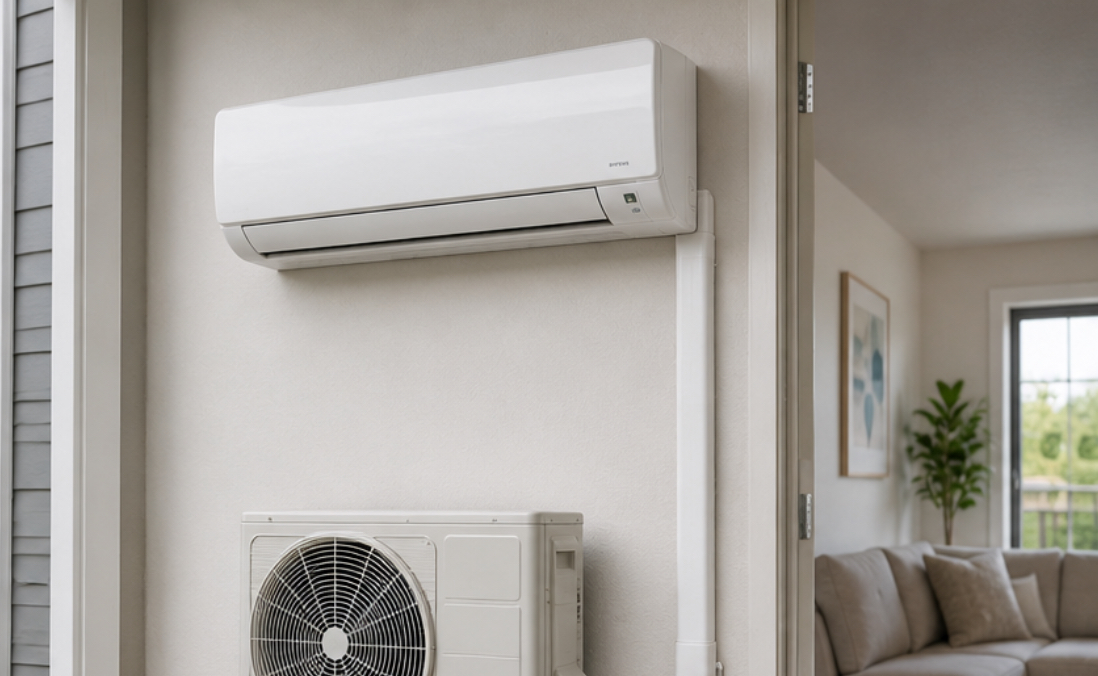
Some second-floor comfort problems can’t be solved by adjusting the central HVAC system alone. Bedrooms over garages, finished attics, home offices, and recent additions often gain more heat than the original duct system was designed to handle. In these situations, installing a ductless mini split provides independent temperature control exactly where additional cooling is needed.
Unlike a central HVAC system, a ductless mini split cools a single room or zone independently. This makes it especially effective for finished attics, bonus rooms, or bedrooms that consistently stay warmer than the rest of the home because of sun exposure, limited airflow, or ductwork limitations. In many West Chester homes, it provides targeted comfort without modifying the existing duct system.
How Do HVAC Technicians Find the Real Cause of Upstairs Comfort Problems?
A hot second floor isn’t solved by guesswork. Experienced HVAC technicians evaluate how your entire home handles heat during the summer before recommending repairs or upgrades. This helps determine whether the problem is caused by excessive attic heat, airflow restrictions, duct design, insulation, or an aging cooling system rather than simply assuming the air conditioner is undersized.
| Professional Evaluation | Why It Matters |
|---|---|
| Airflow testing | Confirms enough conditioned air reaches second-floor rooms. |
| Return airflow inspection | Checks whether warm air can circulate back to the HVAC system efficiently. |
| Static pressure testing | Identifies airflow restrictions inside the duct system. |
| Attic insulation assessment | Determines whether excessive heat gain is affecting upstairs comfort. |
| Ductwork evaluation | Identifies undersized, leaking, or poorly balanced ducts that reduce cooling performance. |
These tests often reveal multiple small issues working together rather than a single equipment failure. Depending on the findings, the best solution may involve air conditioning repair, improved airflow, a zoning system, or ductless mini split installation instead of replacing an otherwise properly functioning air conditioner.
Why Choose Precision Heating & Air for Upstairs Comfort Solutions in West Chester, PA?
A hotter second floor is often the result of multiple issues working together, from attic heat and restricted airflow to poor duct design or an HVAC system that isn’t distributing air efficiently. At Precision Heating & Air, we take the time to identify the root cause through comprehensive system evaluations instead of relying on temporary fixes or guesswork.
Since 1993, we’ve helped homeowners throughout West Chester improve whole-home comfort with professional air conditioning repair and ductless mini split installation tailored to their home’s layout and cooling needs. Whether your upstairs bedrooms stay too warm, your airflow feels uneven, or your HVAC system struggles during July, our experienced team will recommend the solution that delivers lasting comfort and efficiency.
If you’re tired of a hot second floor every summer, contact Precision Air Heating & Cooling today. We’ll evaluate your home’s airflow, ductwork, and cooling performance, then recommend the right solution to keep every level of your home comfortable all season long.
Owner & President of Precision Air Heating & Cooling, the independent, family-owned company that has served West Chester and Chester County homes since 1993.