
Why Your Water Heater Makes Popping or Rumbling Sounds in Hot Weather
 Eric Light July 28, 2026 7 min read
If your water heater has started making popping, rumbling, or crackling noises during the summer, it’s not something you should ignore. While these sounds may seem harmless at first, they often indicate sediment has built up inside the bottom of the tank. As the burner or heating elements warm the water, trapped moisture beneath the sediment turns into steam, creating the popping and rumbling noises many homeowners hear.
Summer is when these problems often become more noticeable in West Chester homes. Family members are home more often, guests visit, outdoor activities increase hot water usage, and the water heater cycles more frequently throughout the day. Recognizing these warning signs early can help you schedule professional water heater maintenance before sediment buildup leads to reduced efficiency or costly water heater repair.
Why Does Your Water Heater Make Popping or Rumbling Sounds?
The most common cause of popping or rumbling is mineral sediment collecting at the bottom of the storage tank. As water is heated, naturally occurring minerals such as calcium and magnesium settle out of the water and form a hardened layer over time. Every heating cycle forces water trapped beneath that layer to boil, creating steam bubbles that burst through the sediment and produce the popping or rumbling sounds you hear.
The longer the sediment remains inside the tank, the thicker it becomes. This insulating layer makes it harder for the burner or heating elements to transfer heat into the water, causing the water heater to run longer while using more energy. In many cases, unusual tank noises are one of the earliest signs that professional water heater maintenance is overdue.
Why Do These Noises Become More Noticeable During Hot Weather?
Many homeowners assume water heaters work less during summer because incoming groundwater is warmer. While that’s partly true, higher household hot water demand often offsets that advantage. Summer guests, children home from school, more frequent showers after outdoor activities, laundry, and weekend gatherings can all increase how often the water heater cycles throughout the day.
Every heating cycle causes trapped moisture beneath the sediment layer to expand into steam. The more frequently the tank reheats water, the easier it becomes to hear popping, rumbling, or crackling sounds. During service calls throughout West Chester, technicians often find that summer simply makes an existing sediment problem more obvious rather than creating a new one.
Several summer activities can increase water heater usage:
- More Frequent Showers: Outdoor sports, yard work, and higher temperatures increase hot water demand.
- Additional Laundry Loads: Summer clothes, towels, and bedding create more washing cycles.
- Visiting Family and Guests: More occupants mean the water heater recovers more often.
- Outdoor Cleaning Projects: Washing vehicles or outdoor equipment often increases household water usage.
- School Breaks: More people at home typically means more daily hot water consumption.
What Happens When Sediment Continues Building Up?
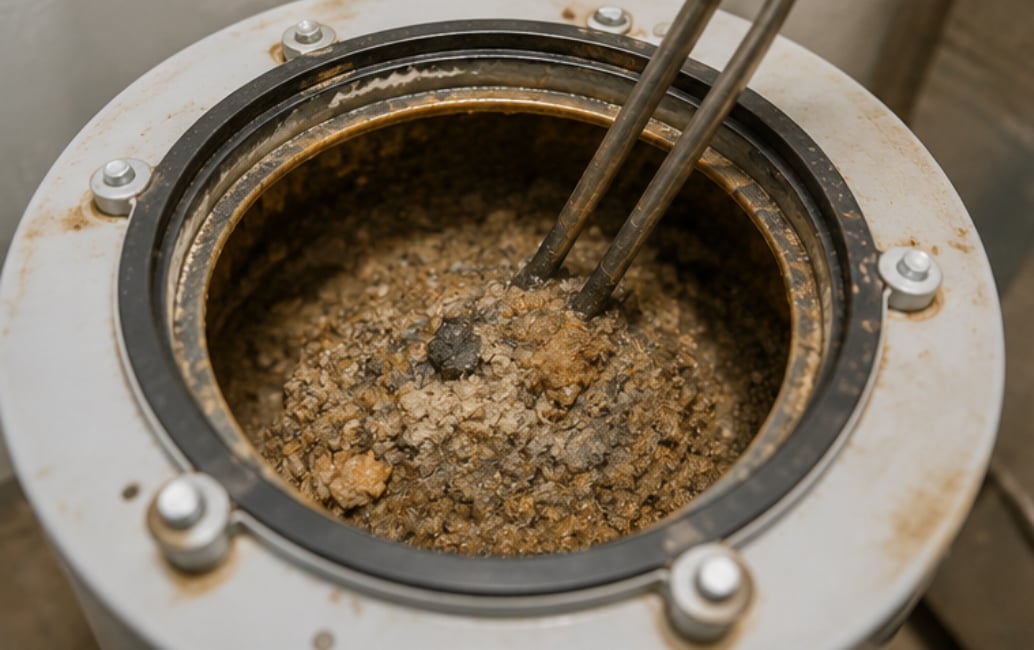
Ignoring popping or rumbling noises doesn’t just make the water heater louder. Sediment buildup gradually reduces heating efficiency while placing additional stress on the entire system. As the mineral layer thickens, the burner or heating elements must operate longer to deliver the same amount of hot water, increasing both energy consumption and equipment wear.
| Sediment Problem | How It Affects Your Water Heater |
|---|---|
| Reduced heat transfer | The burner or heating elements run longer to heat the tank. |
| Higher utility bills | Increased heating cycles consume more gas or electricity. |
| Less available hot water | Sediment occupies space that should hold heated water. |
| Increased tank temperatures | Excess heat places additional stress on the tank bottom. |
| Faster component wear | Continuous overheating can shorten the water heater’s service life. |
Many storage tank water heaters provide 8 to 12 years of reliable service with proper maintenance, but heavy sediment buildup can significantly reduce efficiency and contribute to premature repairs. Addressing the problem early with professional water heater repair or routine maintenance is often much less expensive than replacing a failed water heater.
Can a Noisy Water Heater Become Dangerous?
Not every popping or rumbling sound means your water heater is about to fail, but persistent noises shouldn’t be ignored. As sediment continues hardening inside the tank, heat becomes concentrated at the bottom instead of being distributed evenly through the water. This increases operating temperatures, places additional stress on the tank, and forces components to work harder during every heating cycle.
Watch for these warning signs along with unusual noises:
- Hot Water Runs Out Faster: Sediment reduces the amount of usable hot water inside the tank.
- Rust-Colored Water: Corrosion inside the tank or plumbing may be developing.
- Small Leaks Around the Tank: Excess heat can accelerate wear on internal components.
- Longer Heating Times: The system takes noticeably longer to recover after heavy hot water use.
- Water Heater Over 10 Years Old: Older tanks with heavy sediment deserve a professional inspection to determine whether water heater installation and replacement is more practical than another repair.
If popping sounds become louder or are accompanied by leaks or inconsistent hot water, schedule professional water heater repair before a small issue develops into a complete tank failure.
How Do Plumbers Confirm Sediment Is the Problem?
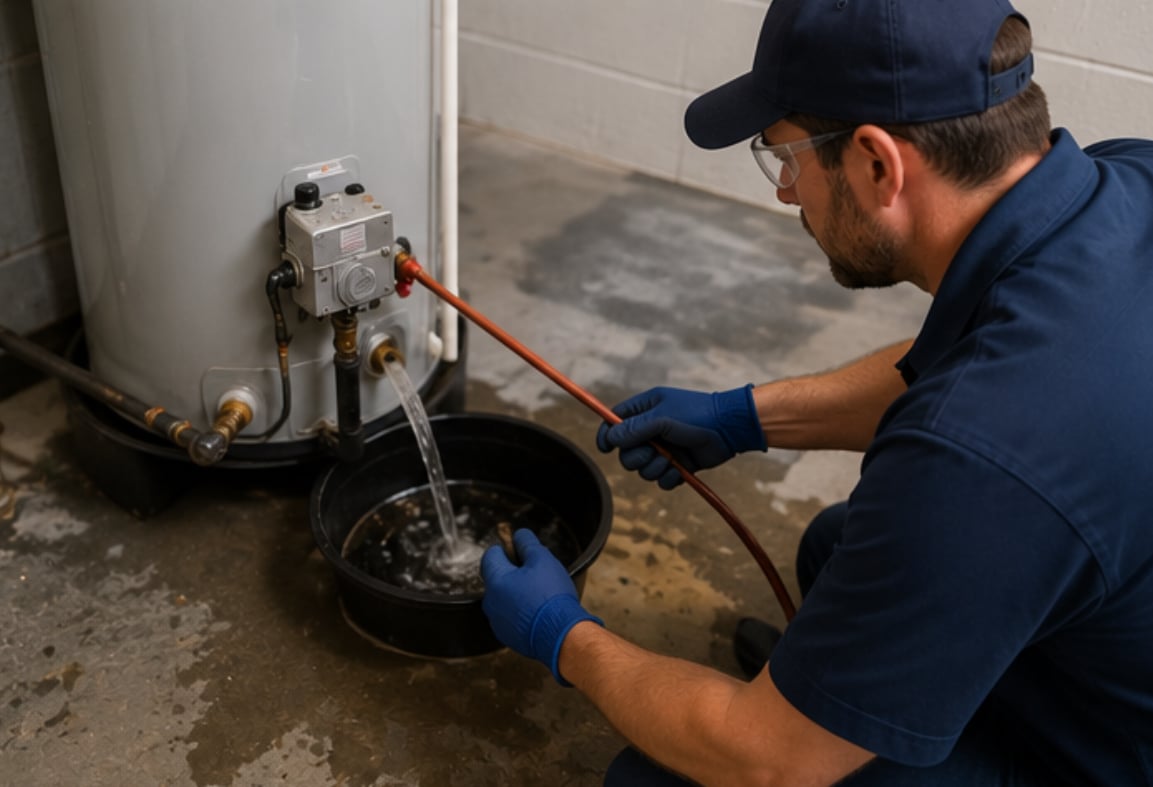
A noisy water heater shouldn’t be diagnosed by sound alone. Professional plumbers inspect the entire system to determine whether sediment buildup is causing the problem or if another issue is affecting the tank’s performance. This helps homeowners avoid unnecessary repairs while identifying developing problems before they become more expensive.
| Professional Inspection | Why It’s Performed |
|---|---|
| Tank performance evaluation | Confirms the water heater is heating and recovering properly. |
| Burner or heating element inspection | Checks for overheating or reduced heating efficiency. |
| Sediment assessment | Determines whether mineral buildup is affecting operation. |
| Temperature and pressure relief valve inspection | Verifies an important safety component is operating correctly. |
| Tank condition evaluation | Looks for corrosion, leaks, or signs the water heater is nearing the end of its service life. |
A complete inspection often determines whether flushing the tank through professional water heater maintenance will restore performance or whether repairs are needed because sediment has already damaged internal components.
How Can You Prevent Sediment Buildup in the Future?
Sediment naturally forms in every storage tank water heater, but routine maintenance keeps it from becoming thick enough to affect performance. Flushing the tank removes loose mineral deposits before they harden into a layer that traps heat and creates popping or rumbling noises. Preventive maintenance also helps the system heat water more efficiently throughout the year.
Flush the Tank Every Year
Most manufacturers recommend flushing a storage tank water heater once every 12 months. Homes with harder water may benefit from more frequent maintenance to reduce mineral accumulation.
Inspect the Anode Rod
The anode rod helps protect the inside of the tank from corrosion. Inspecting it every 3 to 5 years can help extend the water heater’s service life and reduce internal rust.
Schedule Professional Maintenance
A maintenance visit includes more than flushing the tank. Plumbers inspect safety controls, heating performance, connections, and overall tank condition to identify small issues before they require hot water heater repair.
Simple maintenance is usually far less expensive than replacing a water heater damaged by years of neglected sediment buildup. Choosing professional water heater maintenance helps protect your investment while keeping hot water available when your family needs it most.
Why Choose Precision Heating & Air for Water Heater Repair in West Chester, PA?
Popping or rumbling sounds are often your water heater’s first warning that maintenance or repairs are needed. At Precision Heating & Air, we perform thorough inspections to identify whether sediment buildup, worn components, or another issue is causing the problem before recommending the most effective solution.
Since 1993, homeowners throughout West Chester have trusted us for professional water heater repair and water heater maintenance backed by honest recommendations and quality workmanship. Whether your water heater is making unusual noises, producing less hot water, or showing signs of wear, our experienced team will help restore safe, reliable performance.
If your water heater has started popping or rumbling, don’t wait for the problem to become more expensive. Contact Precision Air Heating & Cooling today to schedule professional water heater repair or routine water heater maintenance and keep your hot water system operating efficiently year-round.
Owner & President of Precision Air Heating & Cooling, the independent, family-owned company that has served West Chester and Chester County homes since 1993.