Should I Close Some Vents in My House When It’s Really Cold or Hot Outside?
 Eric Light
Jan 24, 2025
3 min read
Eric Light
Jan 24, 2025
3 min read
When extreme weather hits—whether it’s the coldest winter night or the hottest summer day—it’s natural to want every room in your house to feel just right. A common question homeowners ask is: “Should I close vents in unused rooms to push more air where it’s needed?”
It seems logical: closing vents in empty rooms might redirect airflow to other parts of your home. Unfortunately, it doesn’t work that way and can actually make things worse. Here are four reasons why.
4 Reasons Not to Close Vents in Unused Rooms
1. Increases Static Pressure:
Closing vents restrict airflow in your ductwork. This raises the system’s static pressure, which is like asking your blower motor to push air through a narrower pathway. Over time, this extra strain can lead to wear and tear on your HVAC system.
2. Reduces Efficiency:
With higher resistance, your system has to work harder to move air, consuming more energy and costing you more money.
3. Doesn’t Improve Airflow:
Instead of boosting airflow to rooms that need it, the blocked air creates back pressure. This disrupts the system’s balance, often resulting in uneven temperatures and less comfort.
4. Can Damage Equipment:
Prolonged high static pressure can overheat your blower motor, reduce airflow across your heat exchanger or coil, and cause premature equipment failure.
A Better Approach?
Instead of closing vents, try these solutions to improve comfort:
- Keep vents open: This allows for proper airflow and helps your system run as designed.
- Check filters: A clean air filter ensures your system isn’t struggling unnecessarily.
Keep Comfort Flowing with Precision Air!
While it might seem like a good idea to close vents in unused rooms, doing so can actually reduce your HVAC system’s efficiency and lead to bigger problems down the road. The real key to year-round comfort—especially during extreme weather—is maintaining balanced airflow and keeping your system running as it was designed.
Still noticing hot or cold spots? Let the experts at Precision Air Heating & Cooling help. We offer professional HVAC evaluations, system tuning, and airflow solutions tailored to your home so you can stay comfortable without compromising your system.
Owner & President of Precision Air Heating & Cooling, the independent, family-owned company that has served West Chester and Chester County homes since 1993.
Keep Reading
More From the Precision Air Blog
How West Chester’s Fluctuating Weather Affects Your Heat Pump
Spring weather in West Chester often changes quickly between cool mornings, humid afternoons, rain showers, and warmer daytime temperatures.
Read the article
How Furnace Replacement Saves Energy and Lowers Costs in West Chester, PA
Heating costs don’t usually spike overnight. Instead, many homeowners notice a gradual increase in energy bills, longer heating cycles, or rooms that never feel fully comfortable.
Read the article
Is It Worth Repairing My Old Furnace in West Chester, PA, or Should I Replace It?
If your furnace has been giving you trouble lately, you’re probably wondering whether it’s worth repairing or time to consider a replacement.
Read the article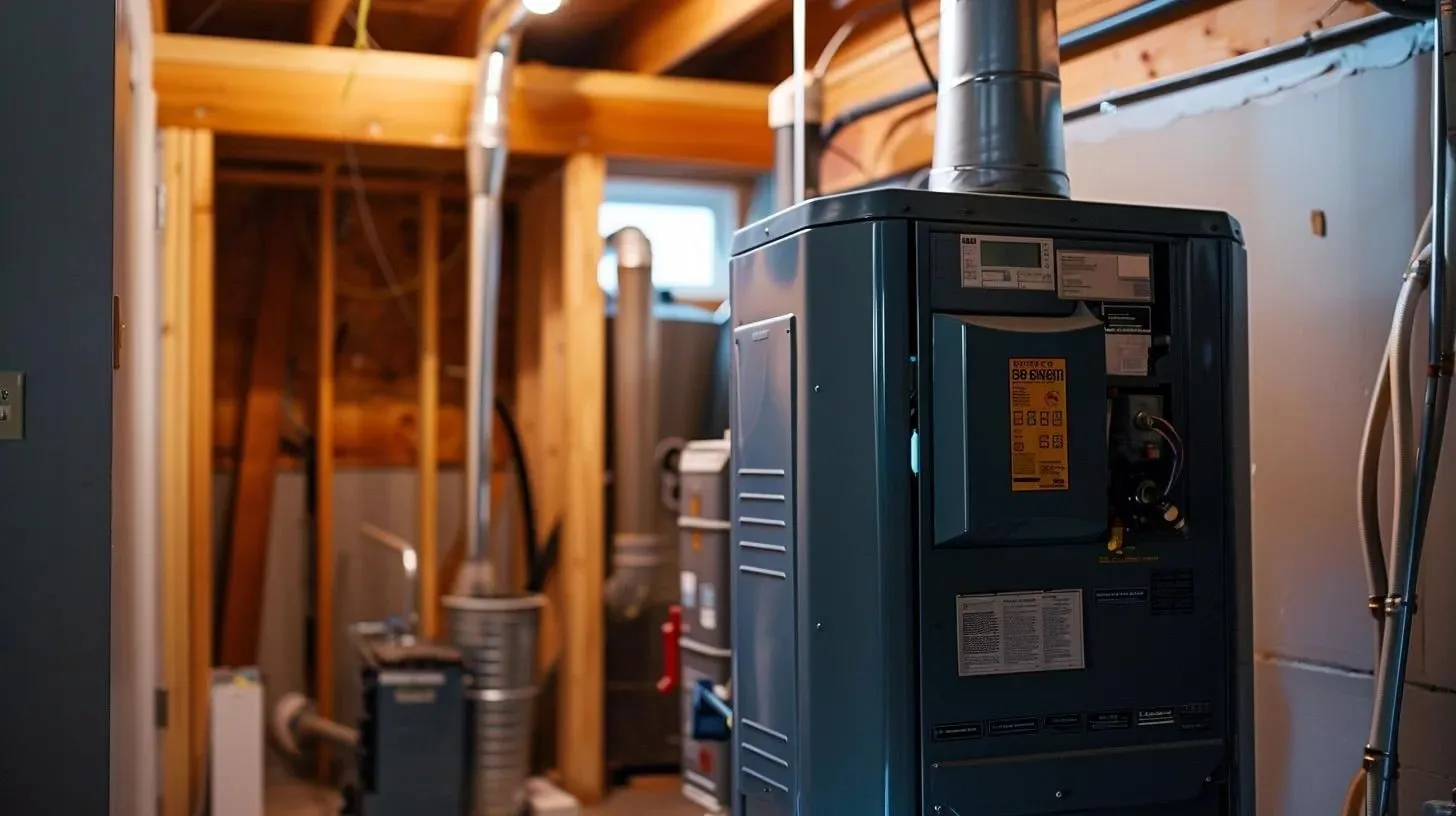
Your Fast Track To Reliable Furnace Repair Service In West Chester, PA
As winter settles in, a malfunctioning furnace is the last thing you want to deal with in West Chester.
Read the article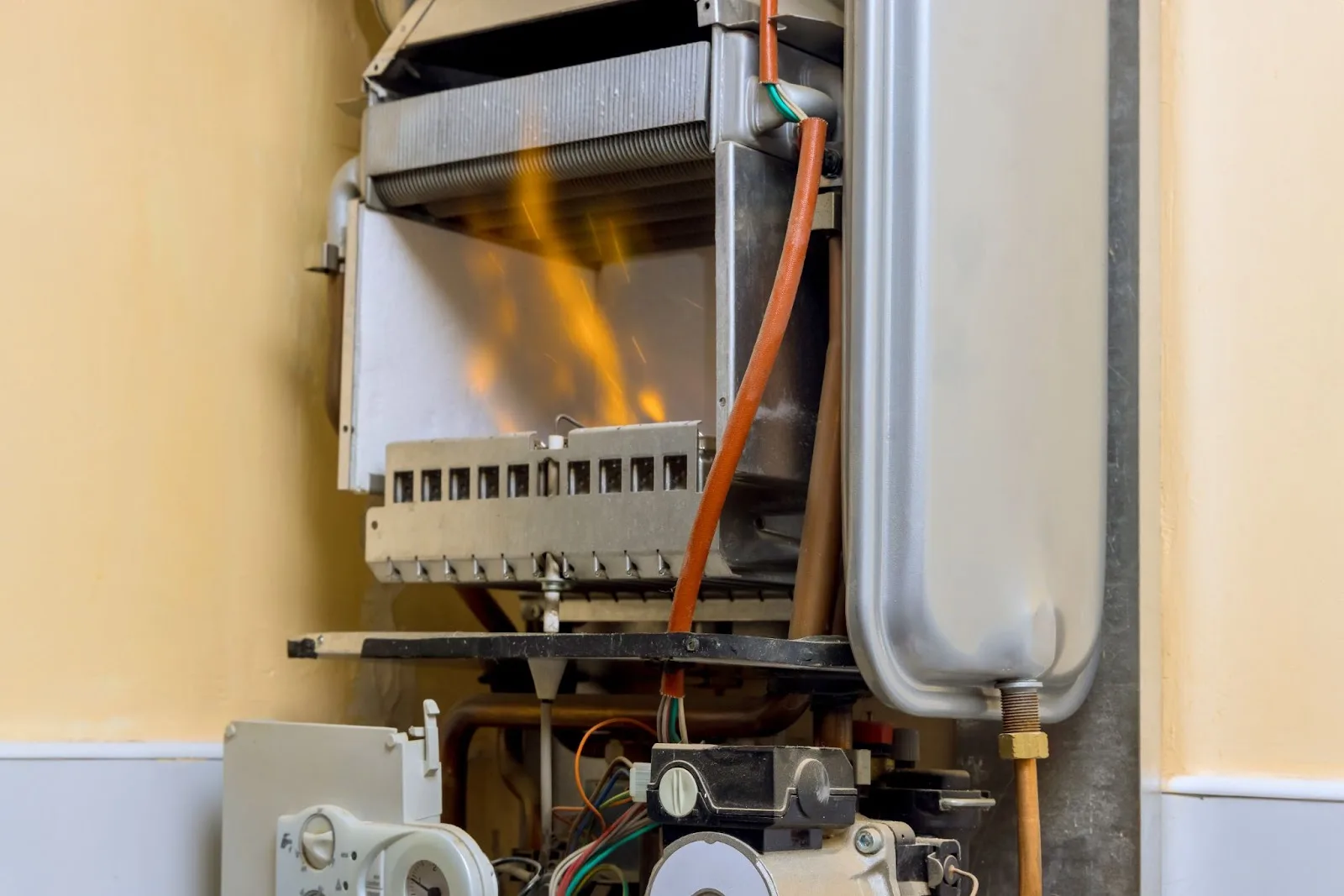
Choosing the Right Furnace Brand For Reliable Home Comfort
Choosing the best furnace isn’t just about the brand—it’s about selecting the right system for your home, comfort needs,
Read the article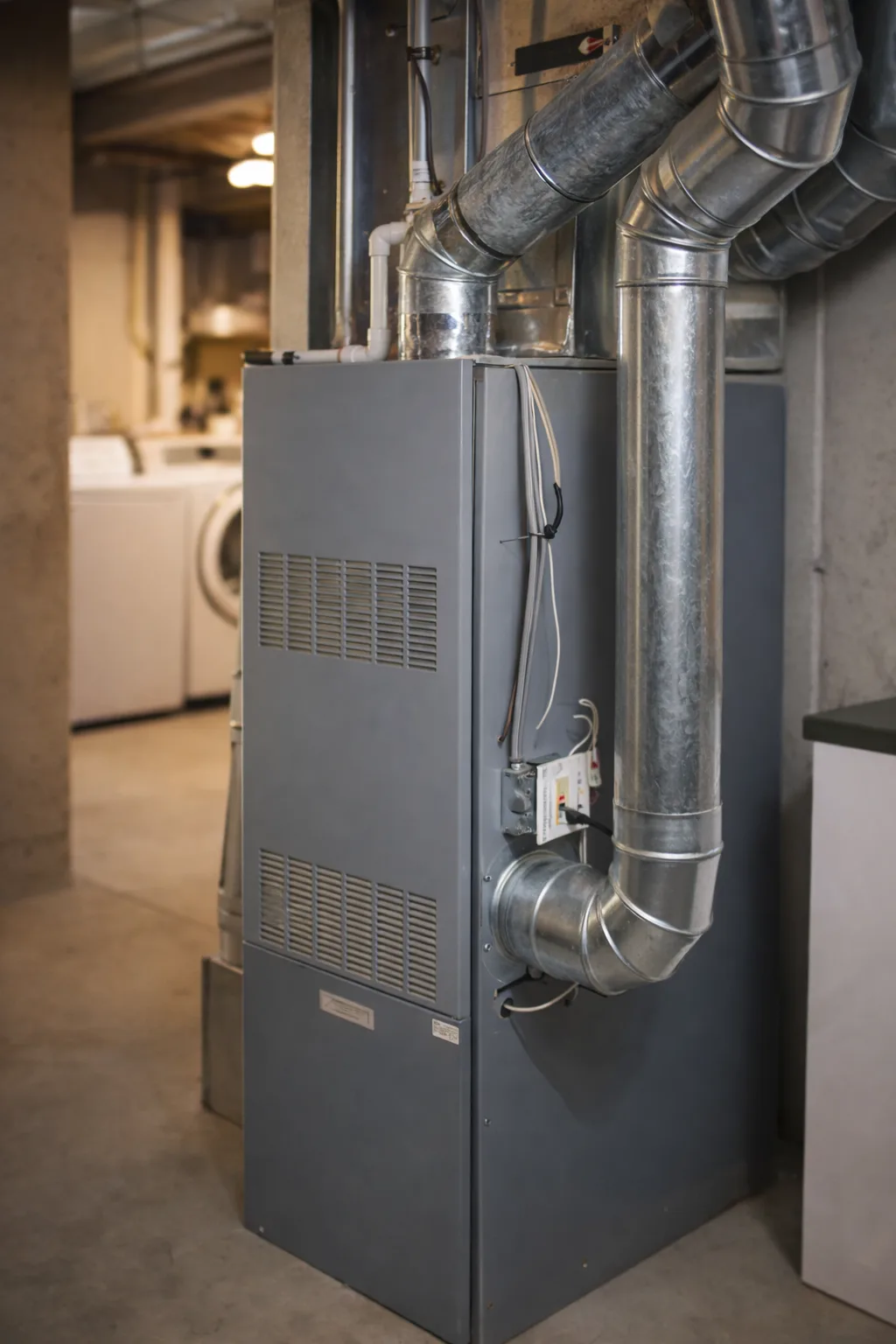
Why Your Furnace Might Be Blowing Cold Air (And What to Do)
If your furnace is running but blowing cold or lukewarm air, it can be frustrating—especially during the colder months
Read the article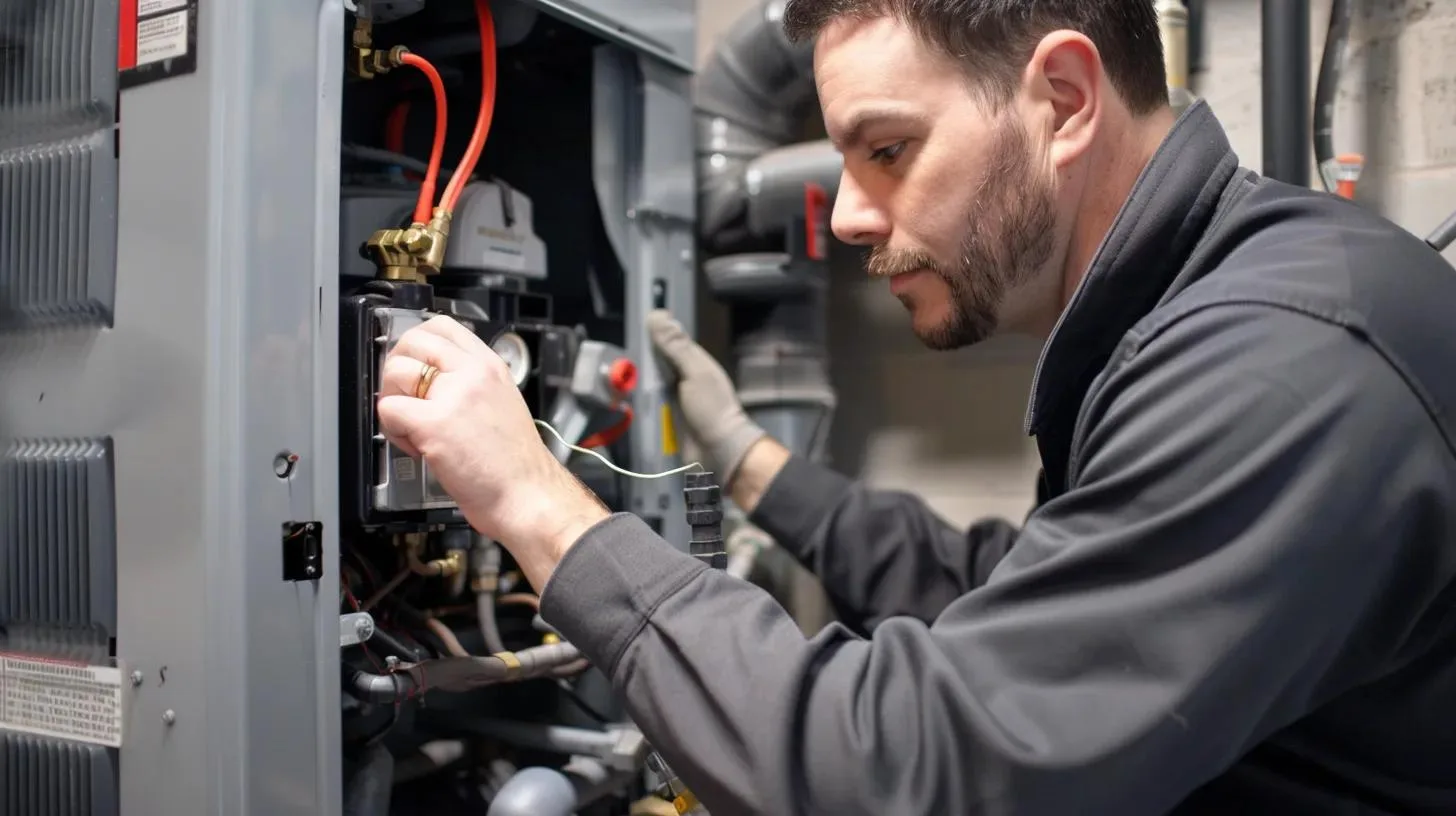
How to Efficiently Prepare Your Furnace for Winter in Berwyn
Winter’s chill is just around the corner, and there’s nothing worse than a furnace breakdown when you need warmth the most.
Read the article
Auxiliary vs Emergency Heat: Which to Choose for Your Home?
When temperatures drop, many homeowners switch their thermostat to auxiliary or emergency heat, thinking their heat pump can’t keep up.
Read the article
Common Furnace Problems in Malvern: Quick Fixes Every Homeowner Should Know
A furnace that blows cold air is usually signaling one of a few key failures: airflow restriction, thermostat configuration, or ignition problems prevent heat from reaching living spaces.
Read the article

Ready When You Are
Your Home Deserves Someone Who Does the Right Thing When No One’s Looking.
Tell us what’s going on and we’ll give you a clear, upfront estimate and a time that works. One local crew for heating and cooling, every season.
Family-owned in West Chester since 1993 · ★ 4.9 from 850+ Google reviews
Read more about our heating repair in West Chester, PA.