Frequently Asked Questions
How can I maintain my HVAC for long-term usage?
Maintaining your HVAC system for long-term usage involves regular inspections, changing filters every 1-3 months, and scheduling professional maintenance annually to ensure optimal performance and efficiency.
What HVAC tips can I learn from Precision Air Heating and Cooling?
The HVAC tips you can learn from Precision Air Heating and Cooling include optimizing your heat pump's efficiency through regular maintenance, understanding the benefits of programmable thermostats, and utilizing proper insulation to enhance energy savings.
How often should I service my HVAC system?
Regular servicing of your HVAC system is essential for optimal performance. It is recommended to service your system at least once a year, ideally before the heating or cooling season begins, to ensure efficiency and longevity.
What are the signs of HVAC system issues?
The signs of HVAC system issues include unusual noises, inconsistent temperatures, poor airflow, and increased energy bills. If you notice these symptoms, it may be time to consult a professional for an inspection and potential repairs.
How can I improve HVAC energy efficiency?
Improving HVAC energy efficiency involves regular maintenance, upgrading to a programmable thermostat, sealing ductwork, and ensuring proper insulation. Additionally, consider energy-efficient heat pumps for optimal performance and reduced energy consumption.
What maintenance tasks should I perform regularly?
Regular maintenance tasks for your HVAC system include changing air filters, cleaning the outdoor unit, checking thermostat settings, and scheduling annual professional inspections to ensure optimal performance and efficiency.
How do I clean my HVAC filters?
Cleaning your HVAC filters is essential for maintaining efficiency. To clean them, remove the filters from their slots, gently vacuum off any dust, and rinse them with water if they are washable. Allow them to dry completely before reinserting.
What is the lifespan of an HVAC system?
The lifespan of an HVAC system typically ranges from 15 to 25 years, depending on maintenance, usage, and the quality of the system. Regular servicing can help maximize its longevity and efficiency.
How can I reduce HVAC operating costs?
Reducing HVAC operating costs involves implementing energy-efficient practices. Regular maintenance, using programmable thermostats, sealing leaks, and upgrading to high-efficiency heat pumps can significantly lower energy consumption and costs.
What are common HVAC troubleshooting tips?
Common HVAC troubleshooting tips include checking the thermostat settings, ensuring the air filter is clean, inspecting circuit breakers, and verifying that vents are unobstructed. These steps can help identify and resolve common issues effectively.
How do I choose the right HVAC system?
Choosing the right HVAC system involves assessing your home's size, climate, and energy efficiency needs, while considering options like heat pumps for optimal performance and cost savings. Consulting with a professional can provide tailored recommendations.
What are the benefits of regular HVAC maintenance?
The benefits of regular HVAC maintenance include improved energy efficiency, extended equipment lifespan, enhanced indoor air quality, and reduced repair costs. Consistent upkeep ensures your heating and cooling systems operate optimally, providing reliable comfort year-round.
How can I enhance indoor air quality?
Enhancing indoor air quality involves several key practices: regularly changing air filters, ensuring proper ventilation, using air purifiers, maintaining humidity levels, and minimizing the use of volatile organic compounds (VOCs) from household products.
What HVAC upgrades are worth considering?
HVAC upgrades worth considering include high-efficiency heat pumps, smart thermostats, and improved insulation. These enhancements can significantly boost energy efficiency, reduce utility costs, and enhance overall comfort in your home.
How do I prepare my HVAC for winter?
Preparing your HVAC for winter involves several key steps. First, ensure your furnace is clean and well-maintained, replace the air filter, and check for any leaks in ductwork. Additionally, consider scheduling a professional inspection to ensure optimal performance during the colder months.
What should I know about heat pump maintenance?
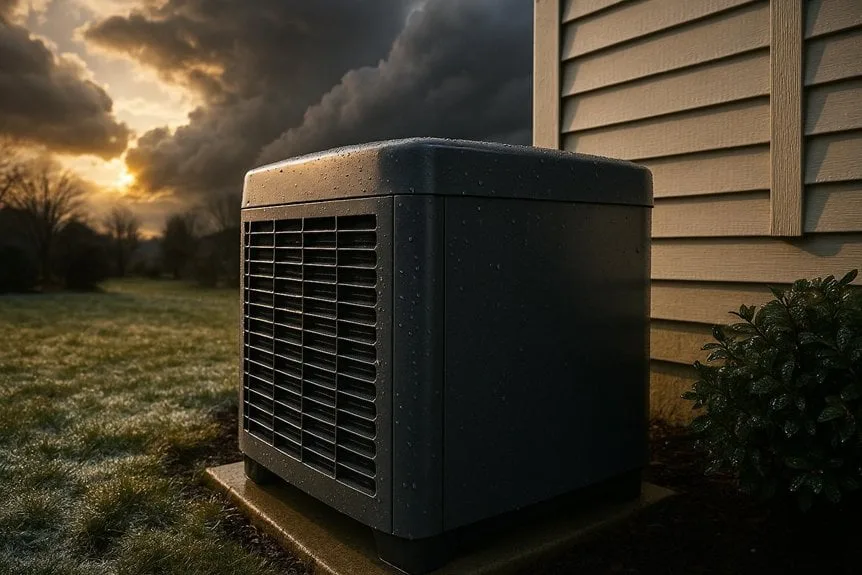
Heat pump maintenance is essential for optimal performance. Regularly check and replace filters, keep the outdoor unit clear of debris, and schedule professional inspections annually to ensure efficiency and longevity.
How can I extend my HVAC systems lifespan?
To extend your HVAC system's lifespan, regular maintenance is essential. Schedule annual inspections, replace filters regularly, and ensure proper airflow to enhance efficiency and prevent costly repairs.
What are the best practices for HVAC installation?
The best practices for HVAC installation include ensuring proper sizing of the system, following manufacturer guidelines, using quality materials, and conducting thorough testing post-installation to guarantee efficiency and performance.
How do I identify ductwork problems?
Identifying ductwork problems involves checking for signs such as inconsistent airflow, unusual noises, or increased energy bills. Additionally, inspect for visible leaks, disconnected ducts, or excessive dust buildup, which can indicate inefficiencies in your heating and cooling system.
What HVAC services does Precision Air offer?
Precision Air offers a range of HVAC services, including the installation, maintenance, and repair of heat pumps, as well as general heating and cooling solutions to enhance energy efficiency in your home or business.
How can I optimize my thermostat settings?
Optimizing your thermostat settings involves adjusting temperatures according to your schedule, utilizing programmable features, and setting temperatures a few degrees lower in winter and higher in summer to enhance energy efficiency.
What are the advantages of programmable thermostats?
The advantages of programmable thermostats include enhanced energy efficiency, cost savings on utility bills, and increased comfort by allowing users to set specific heating and cooling schedules that align with their daily routines.
How do I know if my HVAC needs replacement?
Determining if your HVAC needs replacement involves assessing its age, efficiency, and performance. If your system is over 15 years old, requires frequent repairs, or struggles to maintain comfortable temperatures, it may be time for an upgrade.
What are the benefits of professional HVAC inspections?
The benefits of professional HVAC inspections include improved system efficiency, early detection of potential issues, enhanced indoor air quality, and extended equipment lifespan, ultimately leading to cost savings and increased comfort in your home.
How can I prevent HVAC system breakdowns?
Preventing HVAC system breakdowns involves regular maintenance, including scheduled inspections, filter replacements, and ensuring proper airflow. Additionally, addressing any unusual noises or performance issues promptly can help extend the system's lifespan and efficiency.
What should I do during HVAC emergencies?
During HVAC emergencies, you should immediately turn off your system to prevent further damage, check for obvious issues like leaks or blockages, and contact a qualified technician for prompt assistance. Prioritize safety and avoid attempting repairs yourself.
How do I select an HVAC contractor?
Selecting an HVAC contractor involves researching their qualifications, checking references, and ensuring they have proper licensing and insurance. Look for contractors with positive reviews and experience in heat pump installations for reliable service.
What are the latest HVAC technology trends?
The latest HVAC technology trends include the increasing adoption of smart thermostats, energy-efficient heat pumps, and advanced air purification systems. These innovations enhance comfort, reduce energy consumption, and improve indoor air quality for homeowners.
How can I ensure proper HVAC ventilation?
Ensuring proper HVAC ventilation involves regularly inspecting and cleaning air filters, maintaining ductwork, and ensuring that vents are unobstructed. Additionally, scheduling professional maintenance can help optimize your system’s airflow and efficiency.
What are the most common HVAC myths?
The most common HVAC myths include the beliefs that bigger systems are always better, that regular maintenance isn't necessary, and that closing vents saves energy. These misconceptions can lead to inefficiencies and higher costs for homeowners.
 7 min read
 Eric Light
Jun 18, 2026
7 min read
Eric Light
Jun 18, 2026
7 min read